

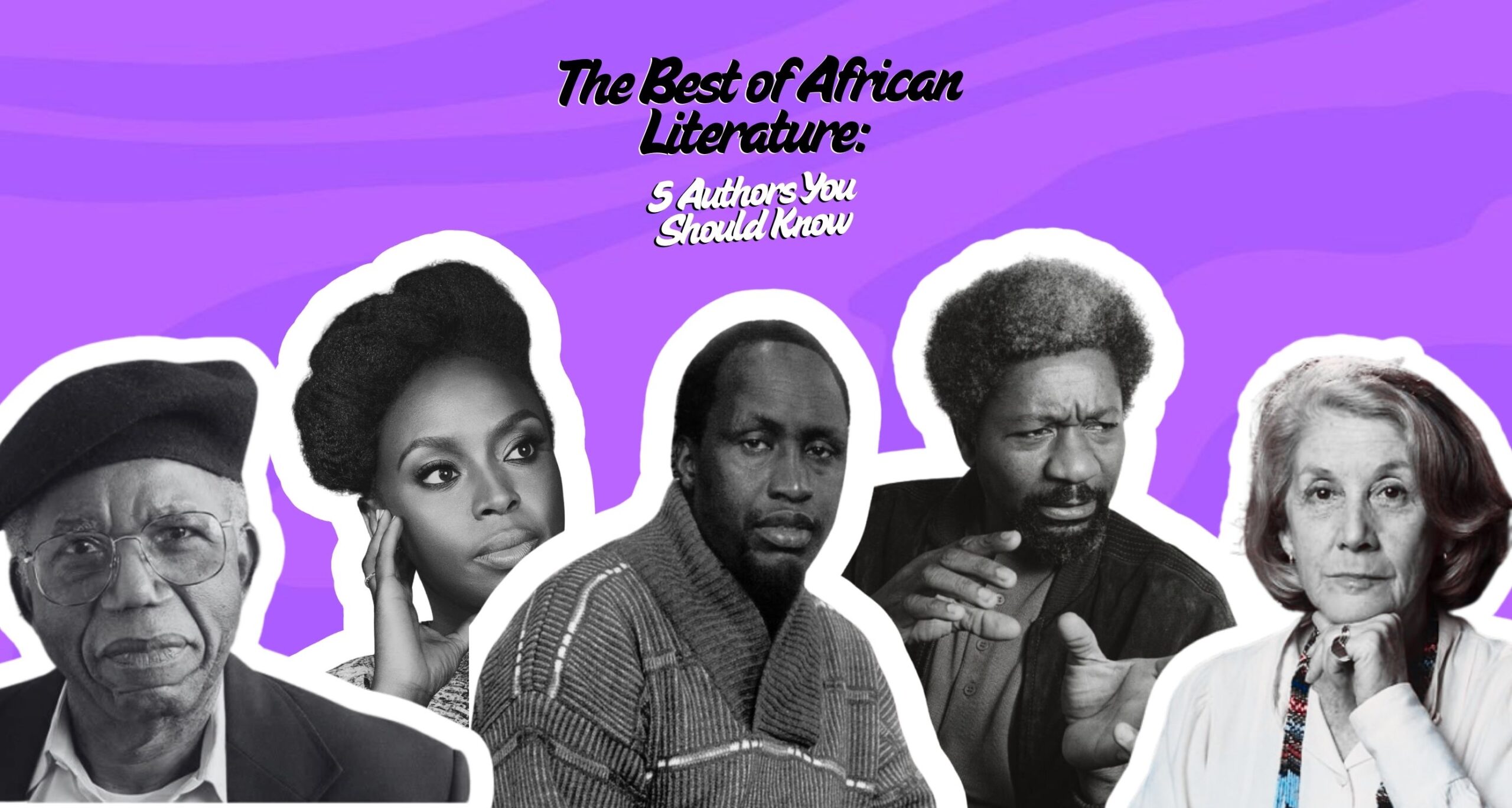
There is a quiet power in the moment you realize that many of the ideas shaping how the world understands identity, power, memory, freedom, and dignity did not come from boardrooms, think tanks, or ivory towers, but from African writers who sat with history, listened carefully to silence, and then wrote sentences so precise they travelled further than armies, which is why any serious conversation about literature, culture, or global thought must pause, reset, and give proper attention to the top 5 African writers whose work continues to educate, unsettle, and inspire readers across generations.
The Claim (And It’s Not Controversial): African Writers Are Central to Global Literature
This article makes a simple but often under-acknowledged argument: African writers are not a niche, not an elective, and not a regional curiosity; they are foundational voices in global literature, whose work has shaped academic discourse, political thought, and cultural consciousness worldwide, supported by hard facts such as Nobel Prizes, global sales, curriculum inclusion across top universities, and translation into dozens of languages, all while remaining deeply rooted in African realities.
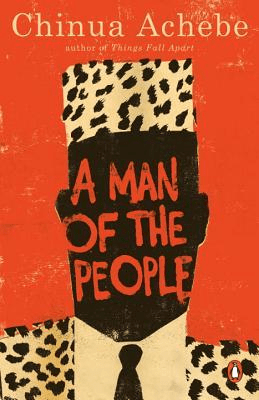
1. Chinua Achebe: The Writer Who Reclaimed History Without Raising His Voice
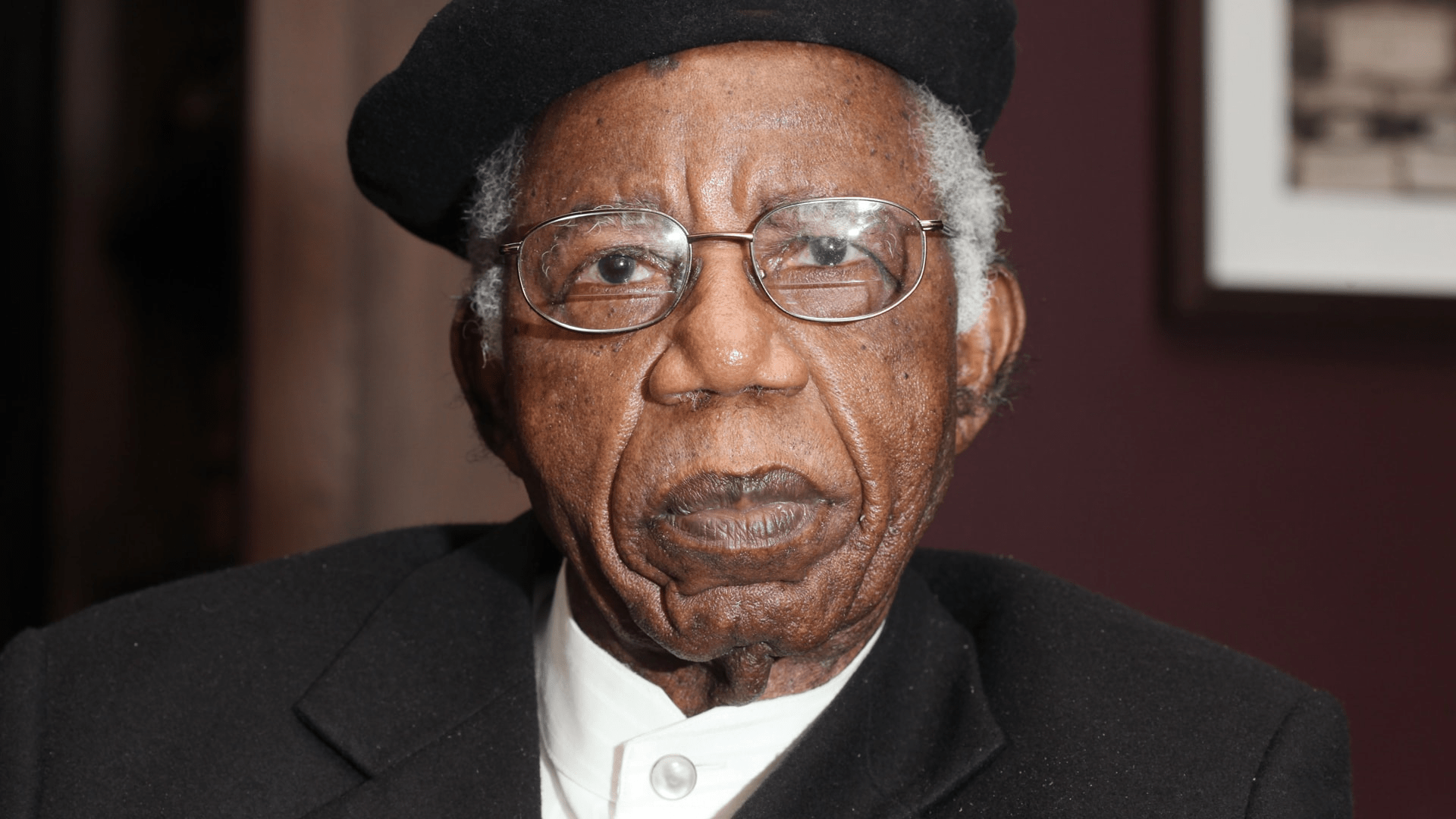
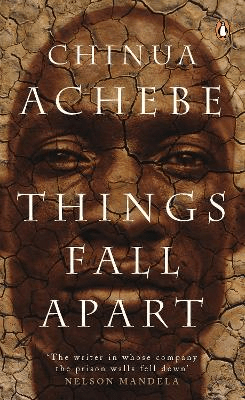
If African literature has an architectural blueprint, Chinua Achebe drew it, because when Things Fall Apart was published in 1958 and went on to sell over 20 million copies worldwide, it did something revolutionary yet deceptively calm: it presented African society as complex, philosophical, flawed, and human, without asking for validation or sympathy.
Why Achebe matters logically and emotionally:
- He corrected colonial narratives using storytelling, not argument
- His work is studied in over 50 countries
- He proved African English could carry intellectual authority

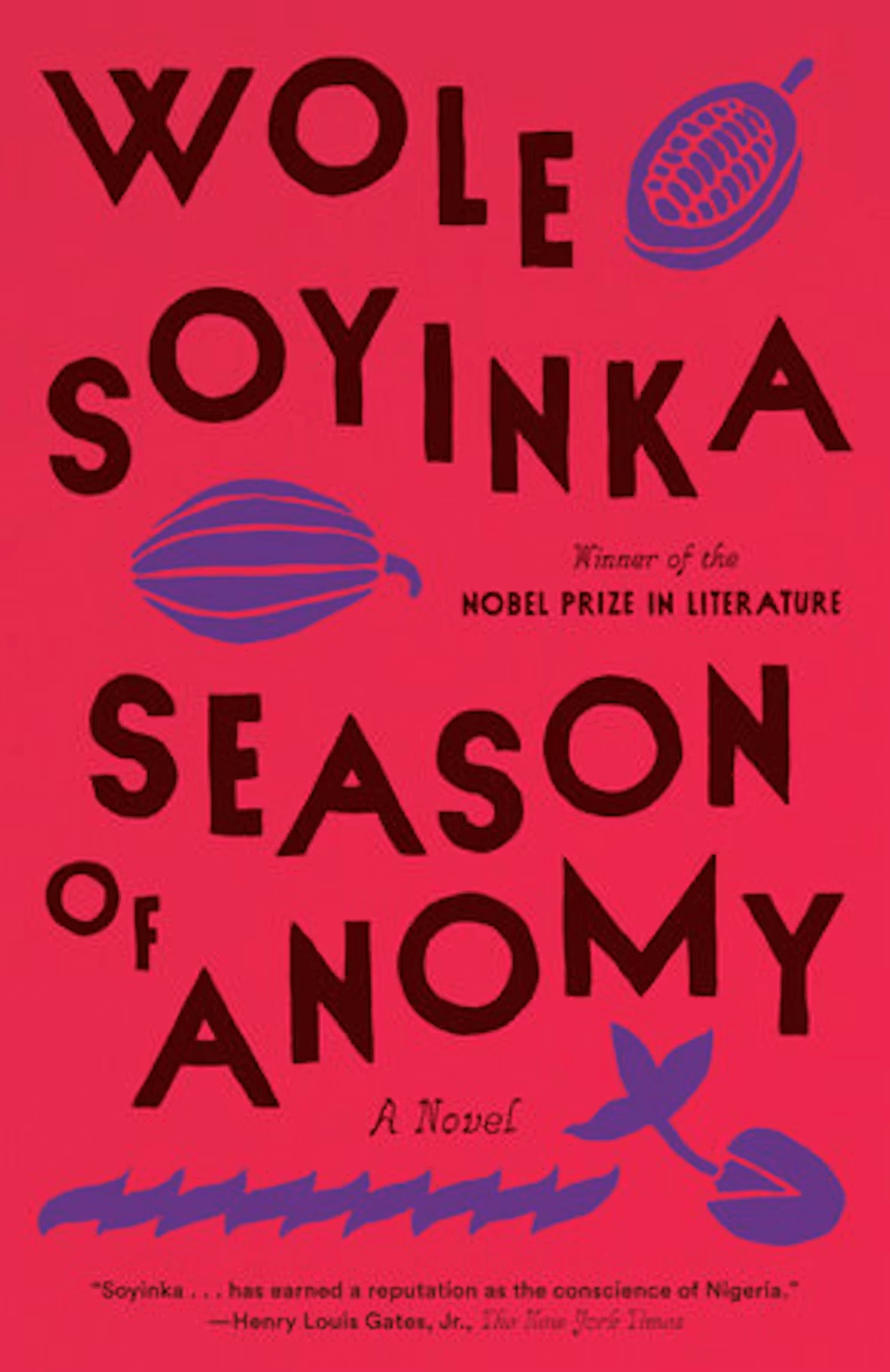
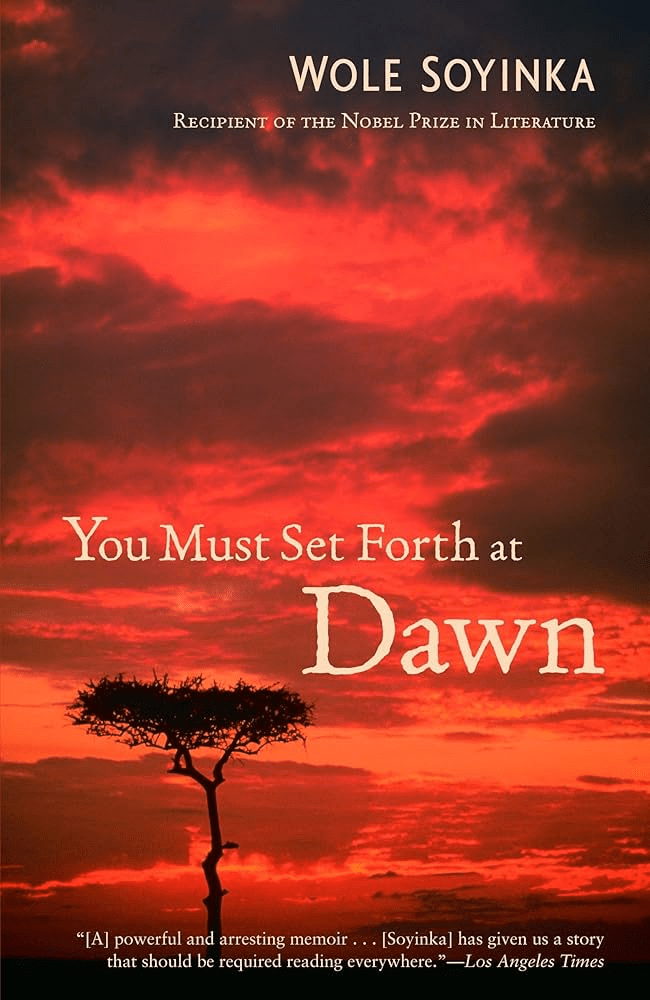
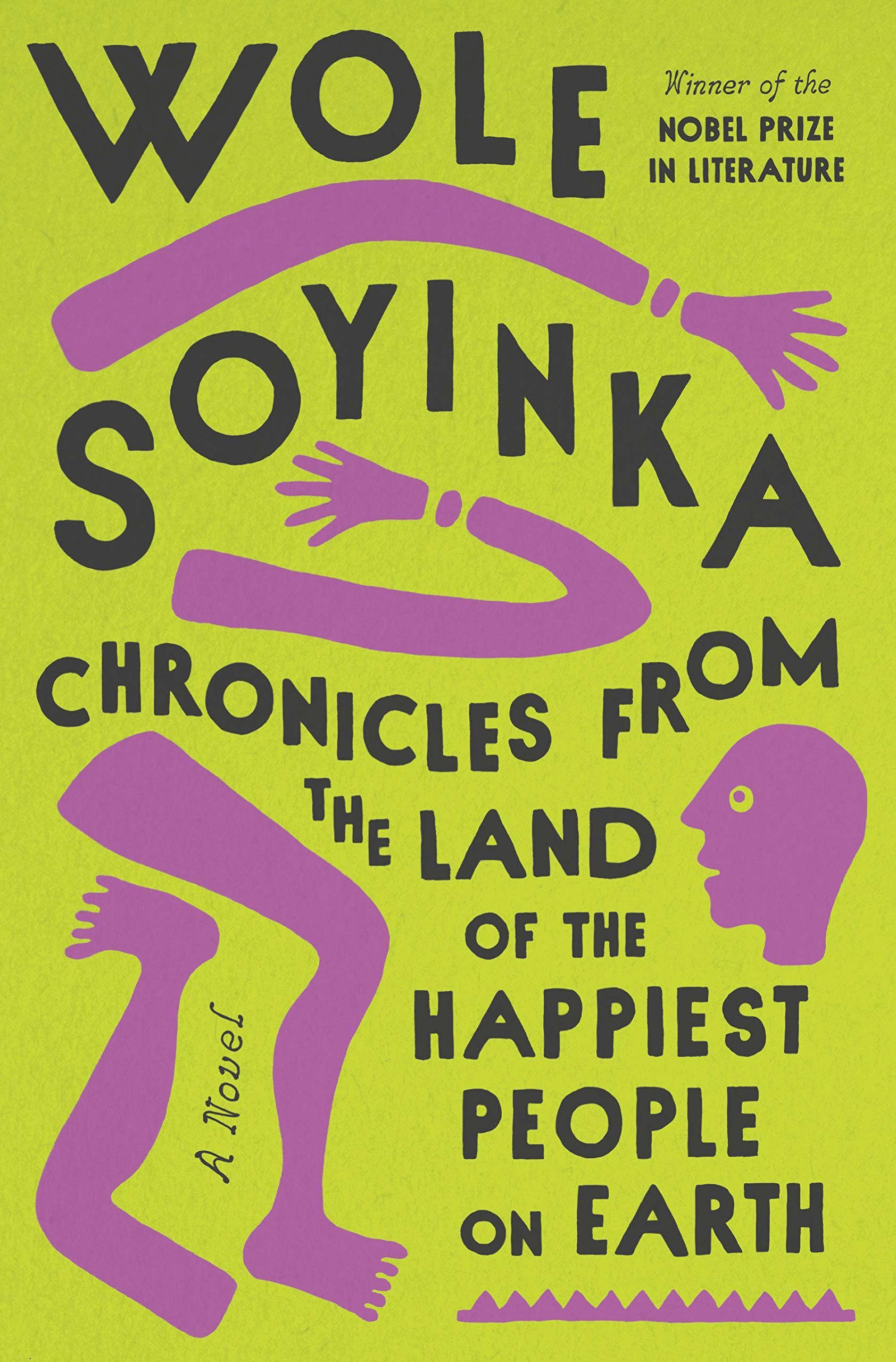
2. Wole Soyinka, When Literature Refuses to Be Neutral

Wole Soyinka, Africa’s first Nobel Laureate in Literature, represents the rare writer whose pen and principles move in the same direction, because his plays, essays, and novels confront tyranny, corruption, and moral compromise with intellectual sharpness and emotional urgency, often at great personal risk, including imprisonment.
The evidence speaks clearly:
- Nobel Prize in Literature (1986)
- Global influence in drama and political writing
- A career blending art with activism
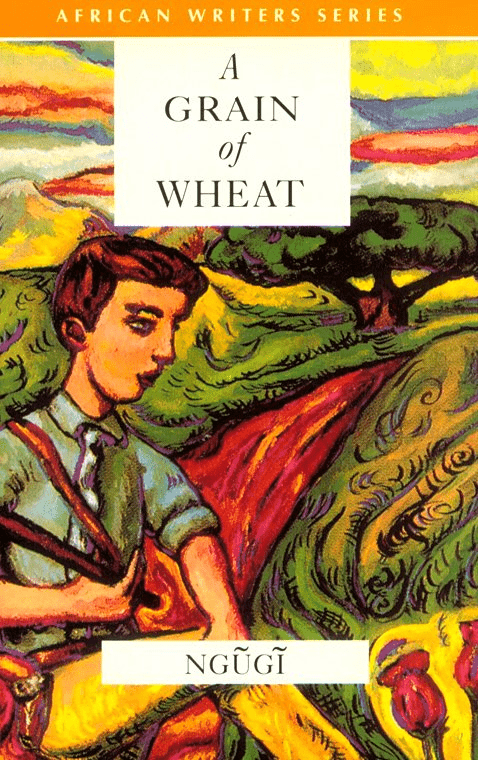
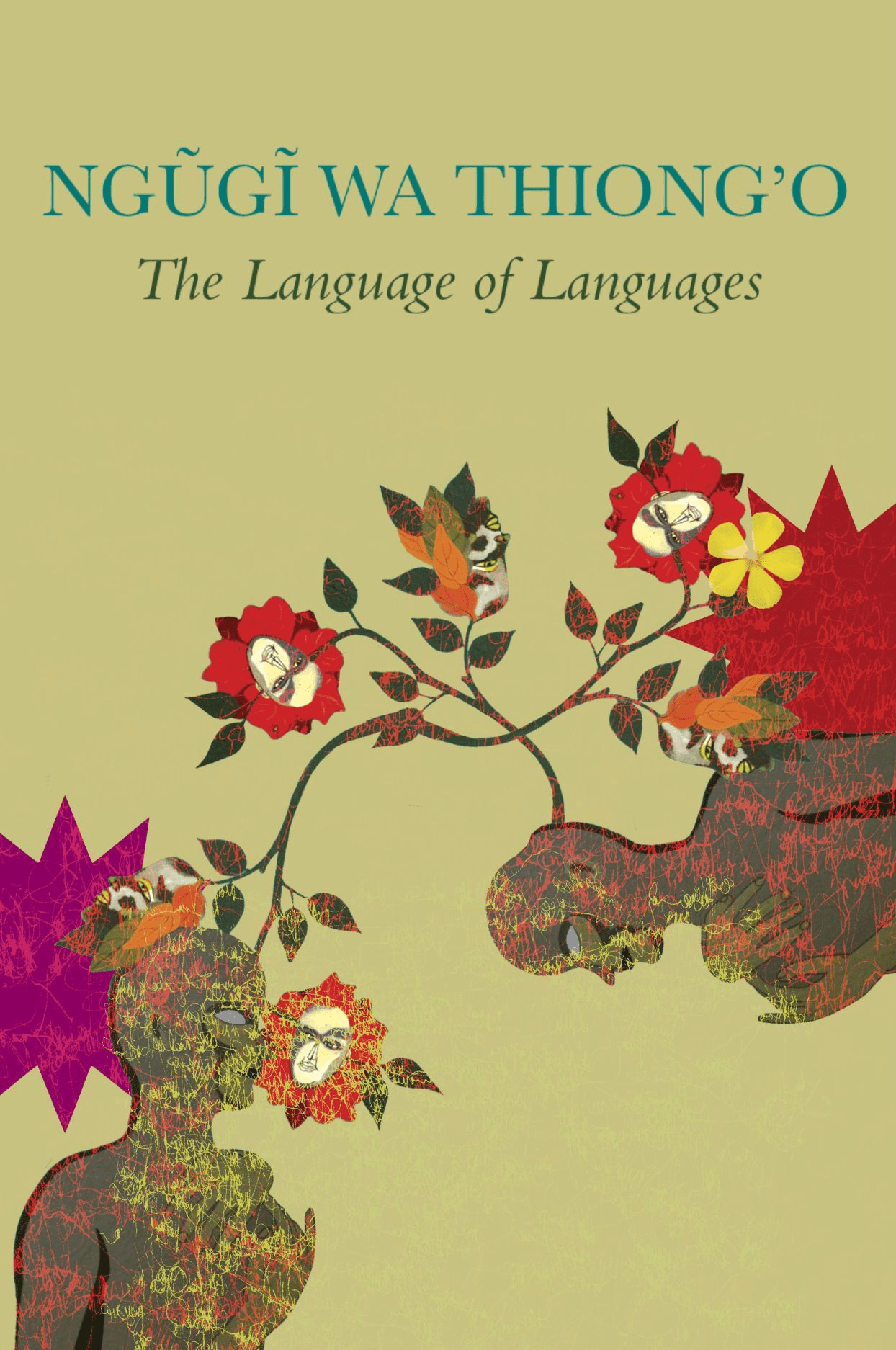
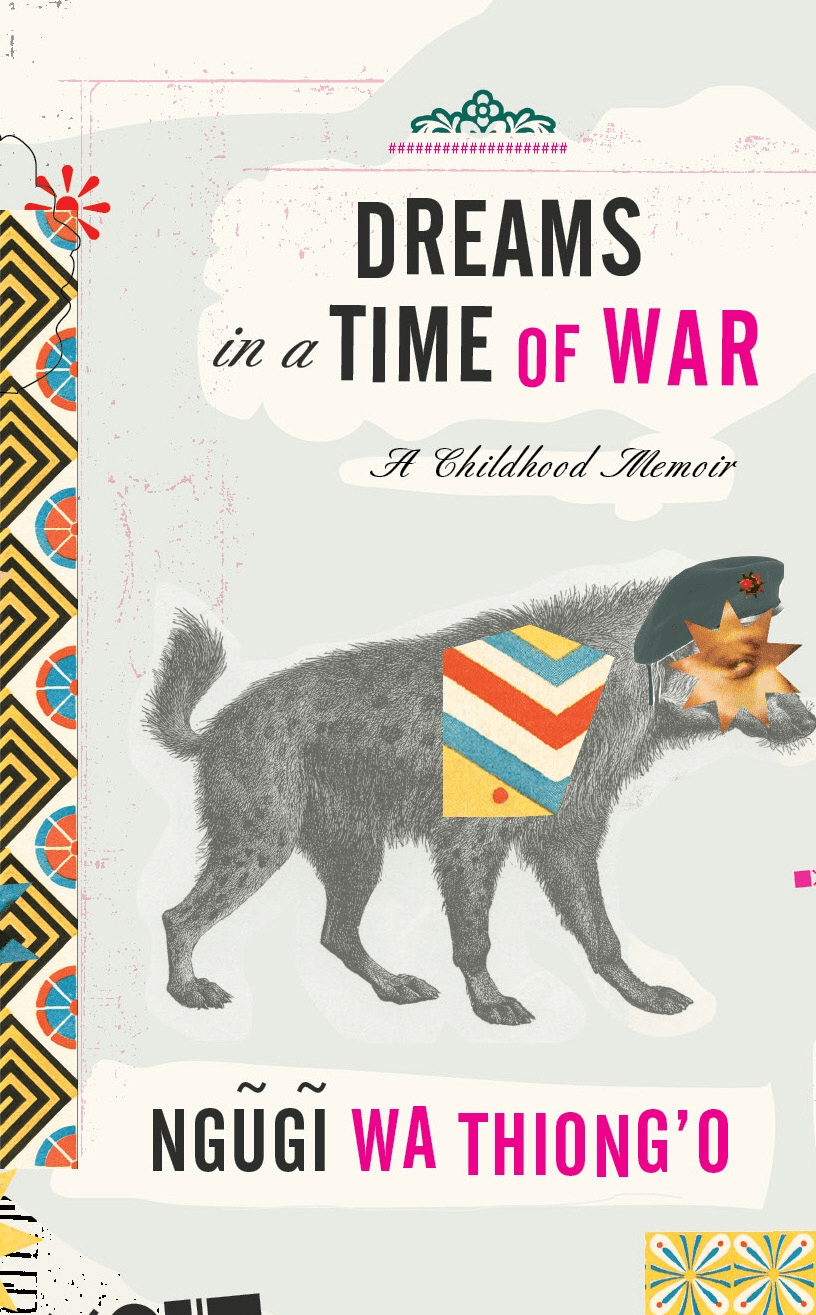
3. Ngũgĩ wa Thiong’o: Language as Power, Not Preference
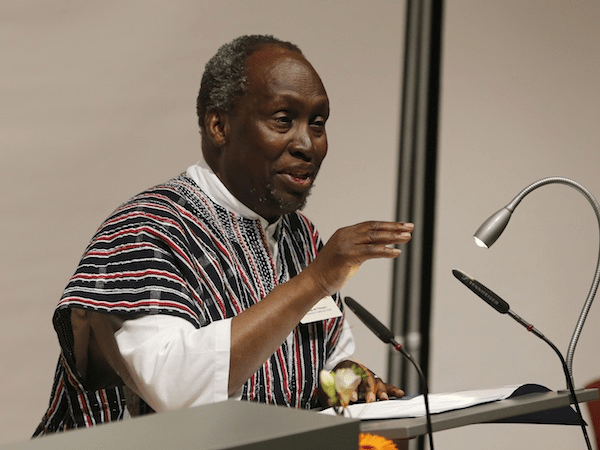
Ngũgĩ wa Thiong’o’s decision to abandon English and write in Gikuyu was not symbolic, it was strategic, intellectual, and deeply logical, because language determines whose reality is centered, whose memory survives, and whose future is imagined.
Why Ngũgĩ’s argument still wins:
- His work reshaped debates on decolonisation globally
- He demonstrated that African languages can carry complex theory
- His books remain core texts in postcolonial studies
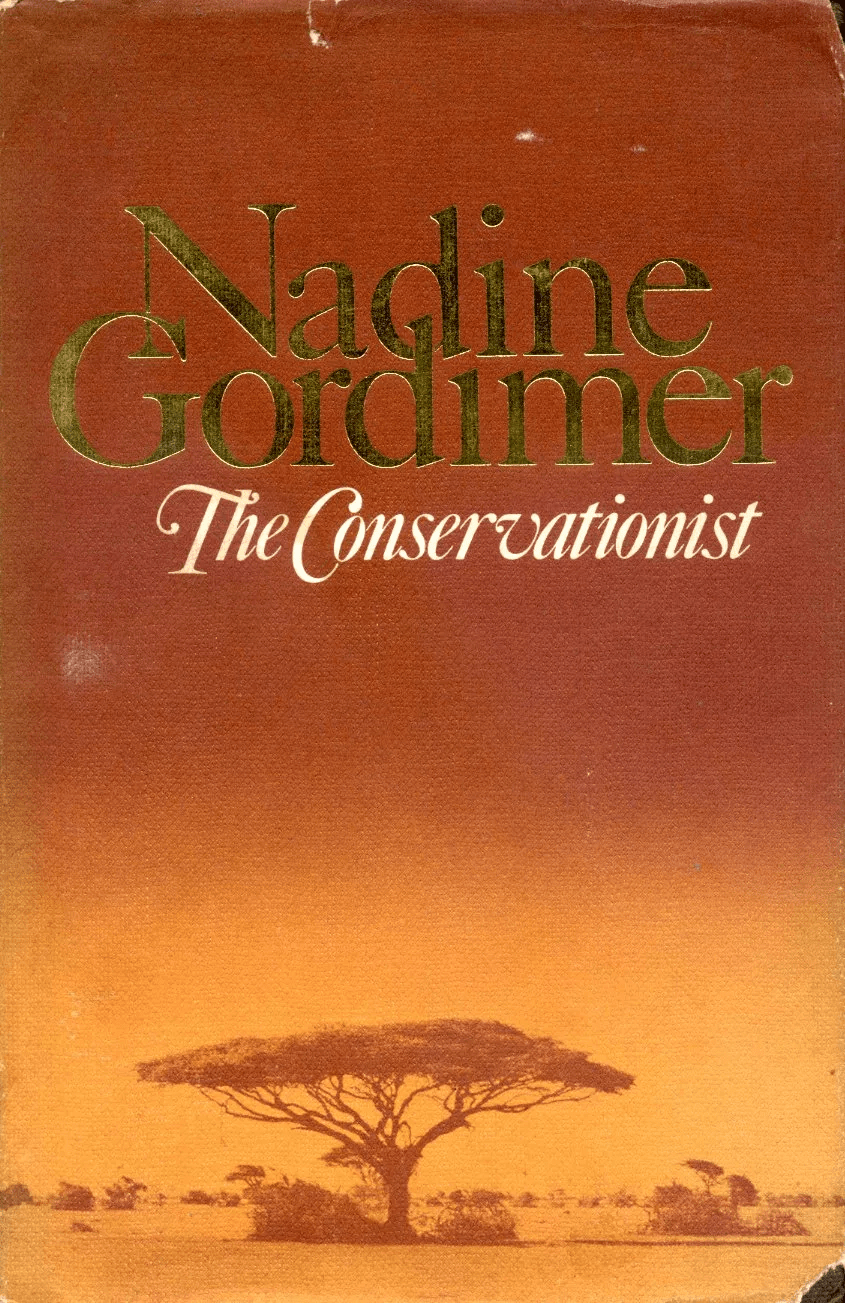
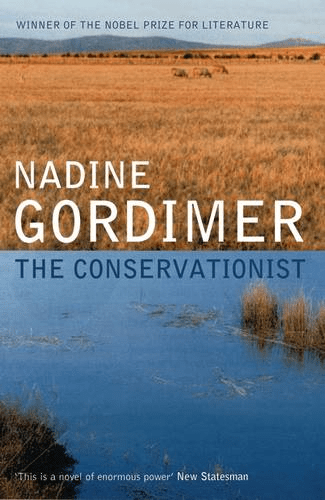
4. Nadine Gordimer: The Precision of Moral Witness
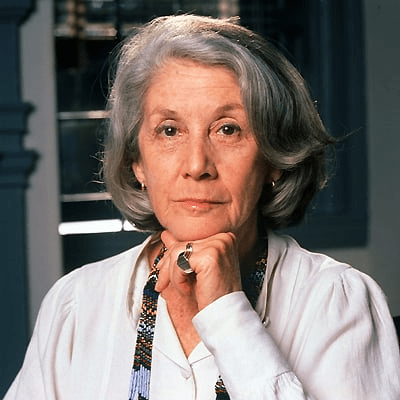
Nadine Gordimer’s writing during apartheid-era South Africa did not shout, posture, or perform, it observed, dissected, and exposed, earning her the Nobel Prize in Literature in 1991 and global respect for capturing the psychological cost of injustice with surgical clarity.
Why her work still matters:
- She documented apartheid without romanticising resistance
- Her characters reveal complicity, not just cruelty
- Her realism makes denial impossible

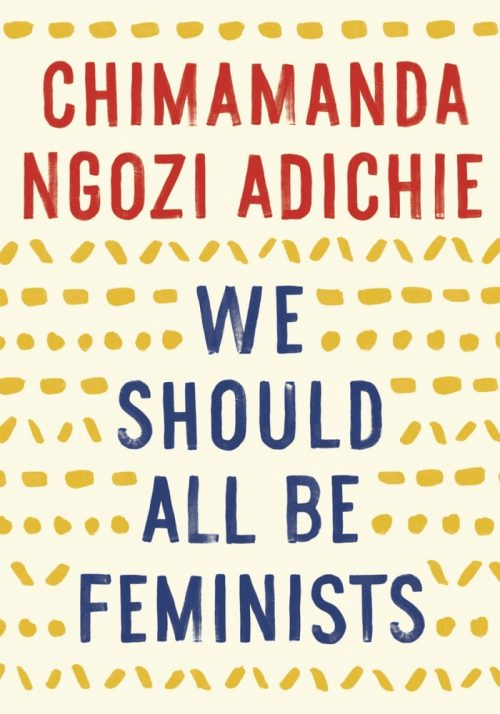
5. Chimamanda Ngozi Adichie: The Contemporary Voice That Travels
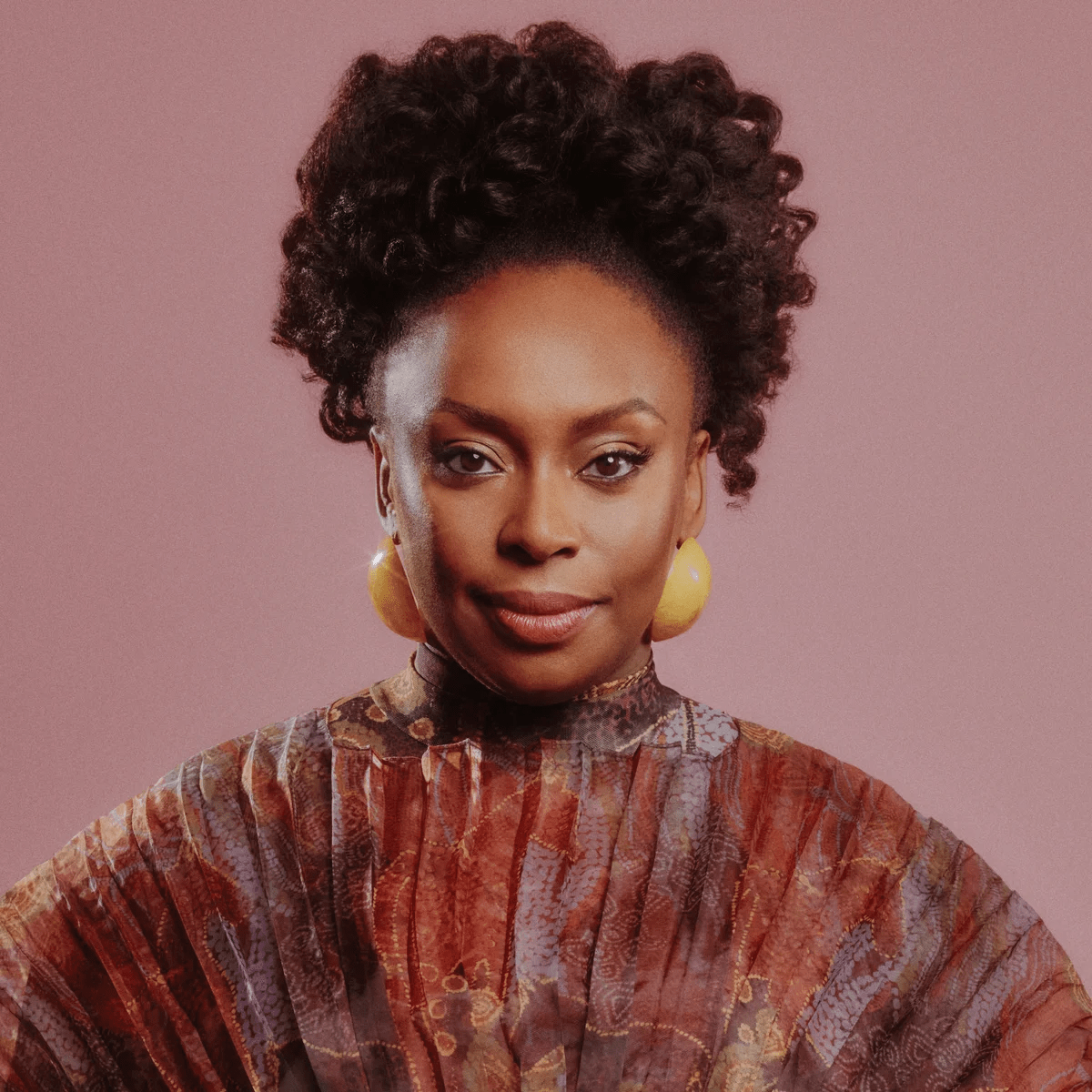
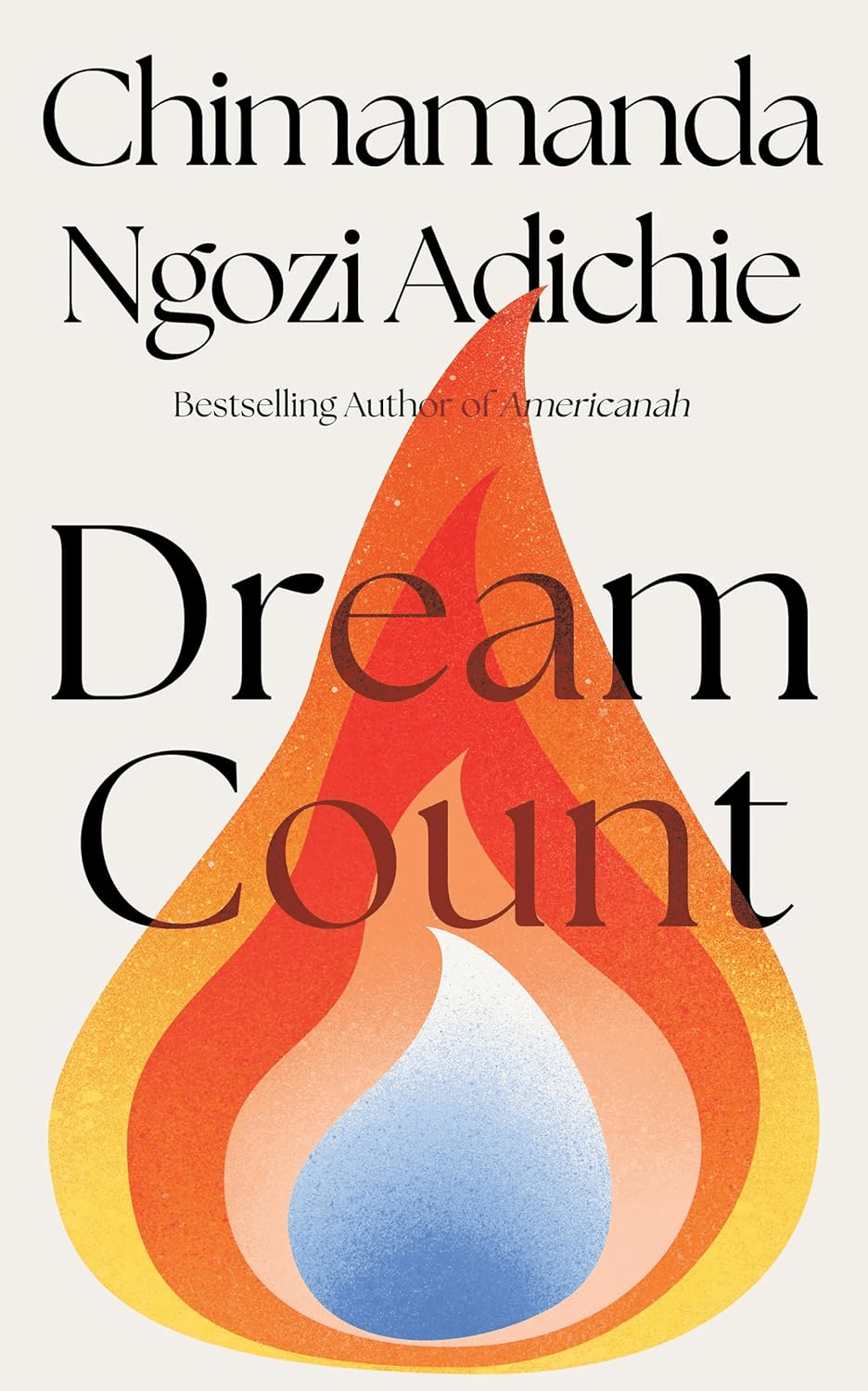
Chimamanda Ngozi Adichie occupies a rare space where literary excellence meets cultural accessibility, writing novels, essays, and talks that address feminism, race, migration, and identity with clarity that invites readers in, rather than pushing them away.
Her measurable impact includes:
- Global bestseller status
- Influence across literature, fashion, and popular culture
- Academic and mainstream credibility
A Fair Counterargument And Why It Falls Short
Some argue that ranking writers oversimplifies Africa’s literary diversity, and while the concern is valid, recognizing foundational figures does not erase others; it creates entry points, reference frames, and intellectual continuity, allowing new voices to emerge with context rather than confusion.
What Readers Can Take Away
If you’re wondering what to do with this list, start here:
- Read at least one book from each writer
- Notice how history, language, and power intersect
- Pay attention to what feels uncomfortable — that’s growth
- Support African publishers, not just global distributors
Reading is not passive; it is participation.
The Conclusion
To read the top 5 African writers is to confront the truth that Africa has always produced world-class intellectuals, storytellers, and thinkers, long before validation arrived from Western institutions, and if their work still feels urgent today, it is because the questions they raised about power, identity, justice, and humanity remain unresolved.
So here is the invitation, or perhaps the responsibility:
Read beyond familiarity, question inherited narratives, and allow African literature to expand how you see the world, not because it is African, but because it is excellent.
And if this article sends you to a bookshelf instead of a comment section, then it has done exactly what great writing is meant to do.


We at SFI.COZA think that stories have the ability to educate, uplift, and unite people. As a sociable and committed editor, we work hard to provide rich media coverage that connects with our audience. Our ambition to positively touch our audience's lives, one article at a time, is equal to our enthusiasm for storytelling. Come along on this adventure with us as we explore the planet.






Leave a Reply