

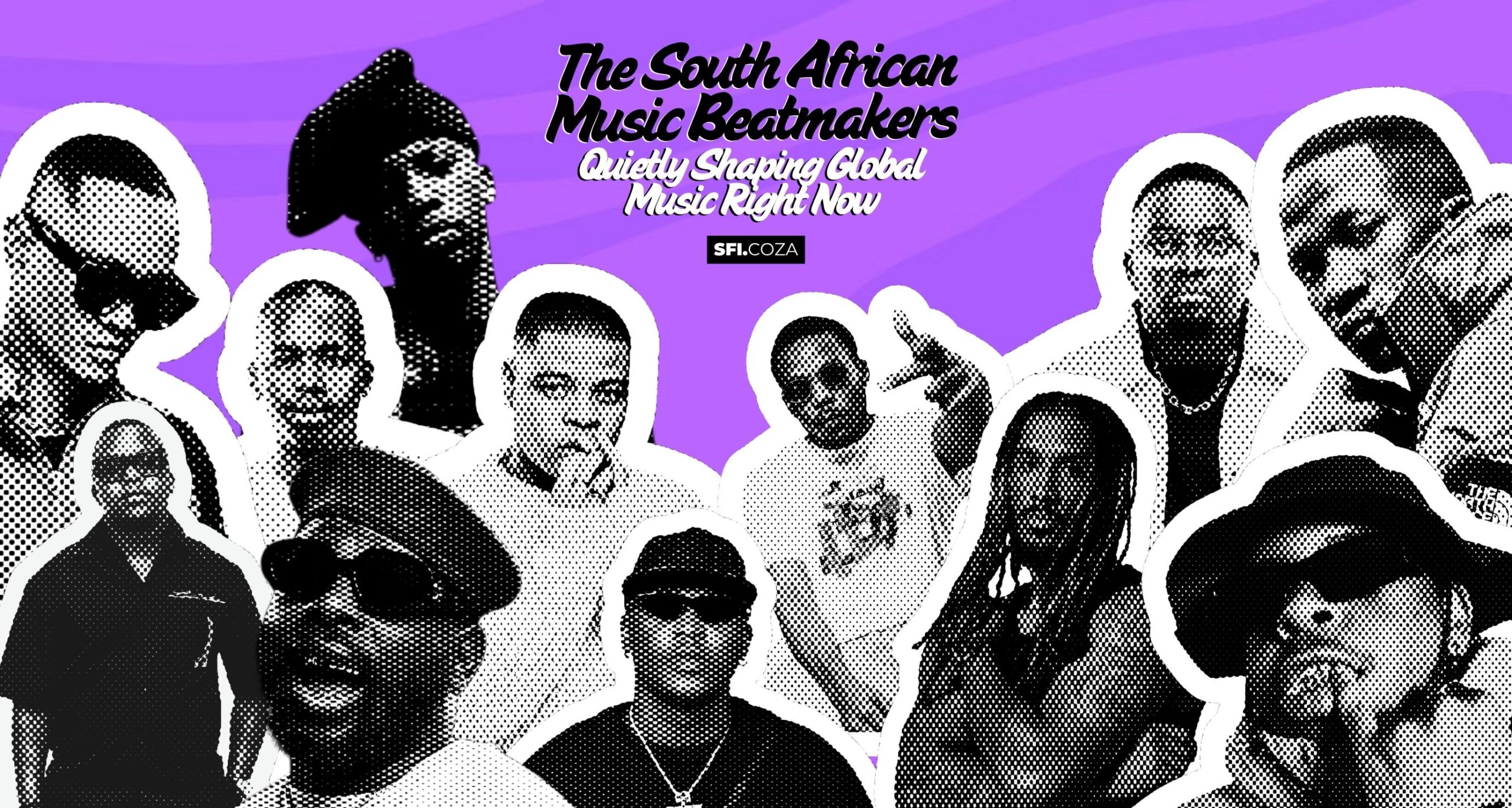
There is a dangerous assumption many people still make about music, especially in the streaming era where songs arrive faster than text messages and disappear from culture almost as quickly as they trend on TikTok, and it is the idea that the artist is always the main character. But spend enough time around real music lovers, studio engineers, DJs, crate diggers, and the strange sleep-deprived people who argue about snare patterns at 2AM in Braamfontein apartments, and you quickly realize something important: the producer often shapes the emotional DNA of the song long before the vocalist even enters the booth.
At SFI.COZA, we have always believed South African producers deserve far more cultural respect than they receive, because while artists become faces on magazine covers, producers become architects of feeling. They build atmosphere. They create memory. They decide whether your heartbreak sounds cinematic or whether your Saturday groove feels spiritual enough to convince your friend to suddenly start dancing with a drink in one hand and deep life advice in the other.
And South Africa right now? We are living through one of the most producer-driven moments in African music history.
You hear it in the global rise of amapiano. You hear it in Afro-tech sets from Berlin to Lagos. You hear it in the log drums, jazz textures, gospel harmonies, deep-house influences, township rhythms, and experimental sound design that now define modern African music. International publications including Rolling Stone Africa and OkayAfrica have repeatedly highlighted South Africa as one of the continent’s most innovative sonic ecosystems, and honestly, they are correct.
But behind every anthem is usually someone sitting behind a laptop wearing a hoodie, ignoring WhatsApp messages, surviving on coffee, and moving kick drums by half a millisecond because “the bounce feels emotionally incorrect.” That person matters.
And if you genuinely care about music culture, these are the South African producers you need to know.
The South African Music Beatmakers Quietly Shaping Global Music Right Now Share on XThe Architects of 3-Step & Luxury House
Dlala Thukzin

If amapiano defined the earlier part of the decade, then 2026 belongs heavily to the rise of 3-step, and Dlala Thukzin remains one of its most important architects. His production style feels spiritual, cinematic, and deeply African without sounding trapped inside nostalgia. He understands pacing exceptionally well. His records build slowly, emotionally, and explosively, almost like stories unfolding through percussion.
What makes Thukzin special is that he creates music that works in festivals, headphones, taxis, and intimate late-night listening sessions. Very few producers can balance accessibility and experimentation this effectively.
Thukuthela x JAZZWRLD
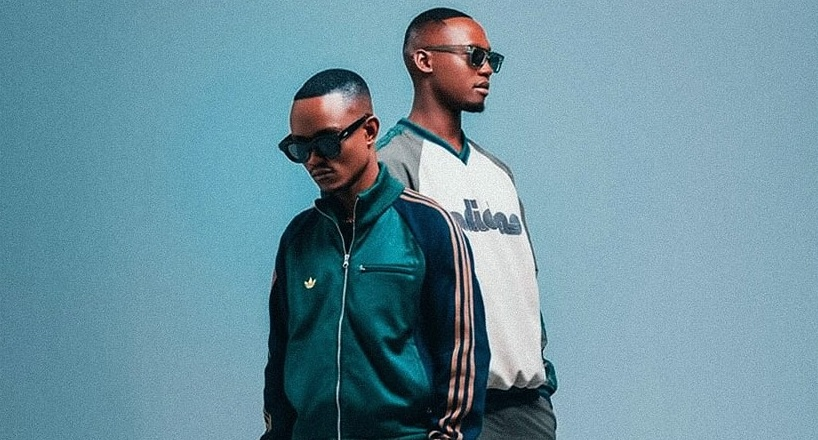
Johannesburg producers Thukuthela x JAZZWRLD have become one of the breakout names of 2026 after securing 7 Metro FM Music Award nominations, and honestly, the recognition feels overdue.
Their production work on records like “uMoya” and “Indaba” helped shape the emotional and rhythmic identity of modern 3-step music. There is a sharpness in his drum programming that instantly separates him from imitators. His beats feel alive.
And importantly, Thukuthelax JAZZWRLD understands emotional atmospheres. He is not simply creating songs for dance floors. He is creating tension, release, movement, and memory.
Oscar Mbo

Oscar Mbo remains one of the smoothest transitions between soulful house and 3-Step culture. While many producers aggressively chase trends, Oscar evolved naturally, carrying emotional storytelling into newer sounds without losing his identity.
Tracks like “Mngani Wam” prove that groove can still feel vulnerable and intimate.
That balance matters because South African dance music has always worked best when emotion leads the production rather than ego.
Thakzin & Jnr SA
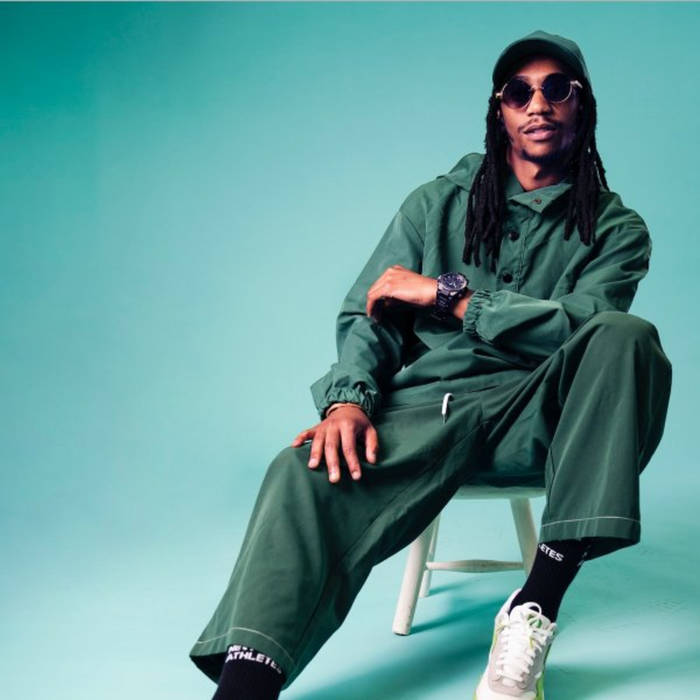

Both producers continue pushing Afro-house and 3-Step into more spiritual and experimental territory.
Thakzin’s records often feel hypnotic and layered with tension, while Jnr SA leans into atmospheric textures and emotional depth. Together, they represent a generation of producers refusing to make disposable music.
Their sound rewards patience.
The OG’s of South African Music
Kabza De Small
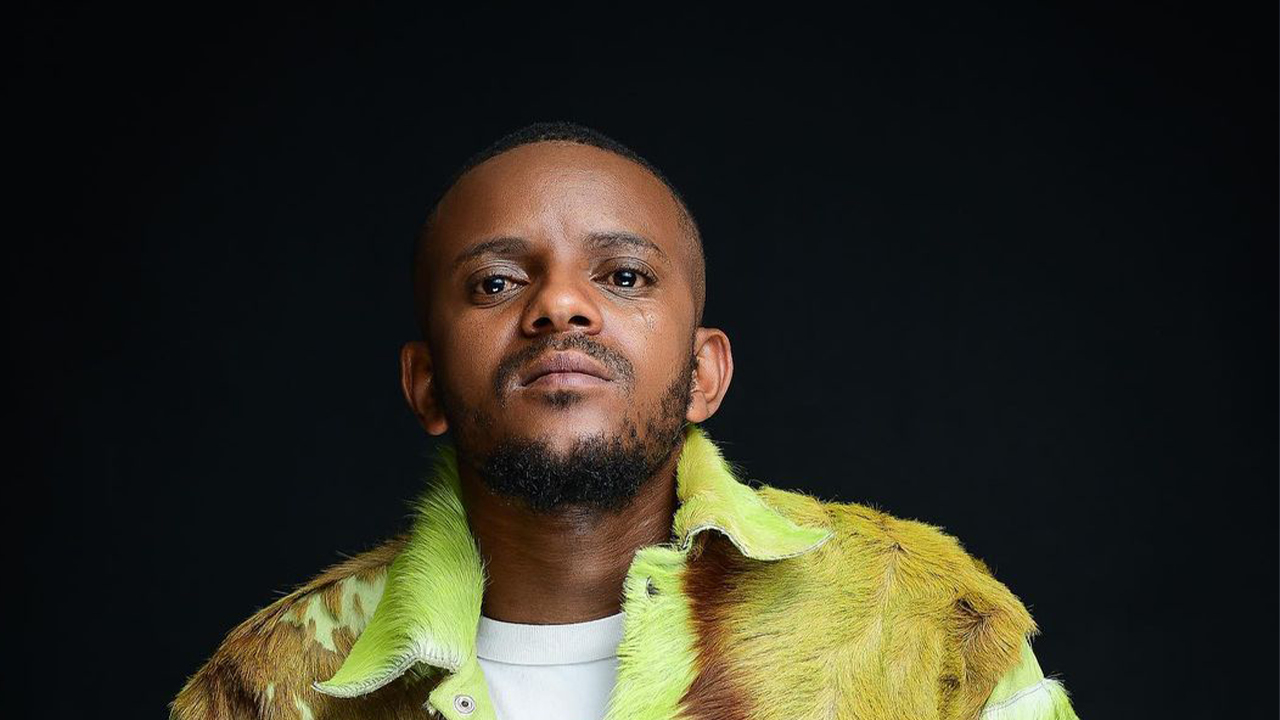
Calling Kabza De Small important feels almost disrespectfully small. What he achieved with amapiano was not simply commercial success; it was sonic nation-building. Alongside collaborators like DJ Maphorisa, Kabza helped transform amapiano from a township movement into a global genre with streaming numbers that forced international labels to finally pay attention to South Africa properly.
What makes Kabza brilliant is restraint. His production rarely screams for attention. Instead, it breathes. Listen carefully to the layering on tracks from projects like I Am The King Of Amapiano, and you notice how he manipulates silence almost as effectively as sound itself. The drums feel patient. The piano lines feel conversational. Even the basslines seem emotionally aware. That is not accidental. That is elite production intelligence.
According to Music In Africa, Kabza’s influence has become foundational to the modern amapiano blueprint, and honestly, most current producers are still borrowing from his rhythmic philosophy whether they admit it or not.
DJ Maphorisa
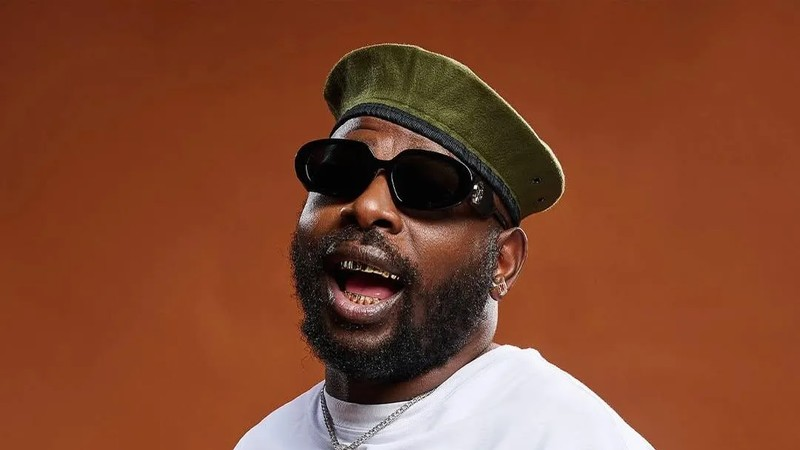
If Kabza is the spiritual architect of amapiano, Maphorisa is its fearless strategist. Few producers in African music history understand crossover appeal the way he does. Before amapiano exploded globally, he had already produced across genres, including Afropop, hip-hop, house, and gqom, collaborating with artists from South Africa, Nigeria, and beyond.
Maphorisa understands one thing many producers never fully master: culture moves emotionally before it moves commercially.
His production style often carries polished chaos, layered percussion, melodic unpredictability, and aggressive bass movement, yet somehow it remains accessible enough for radio, clubs, taxis, and festivals simultaneously. That balance is rare.
And perhaps more importantly, Maphorisa helped normalize collaboration as infrastructure within African music. He made collective creativity feel powerful again.
Black Coffee
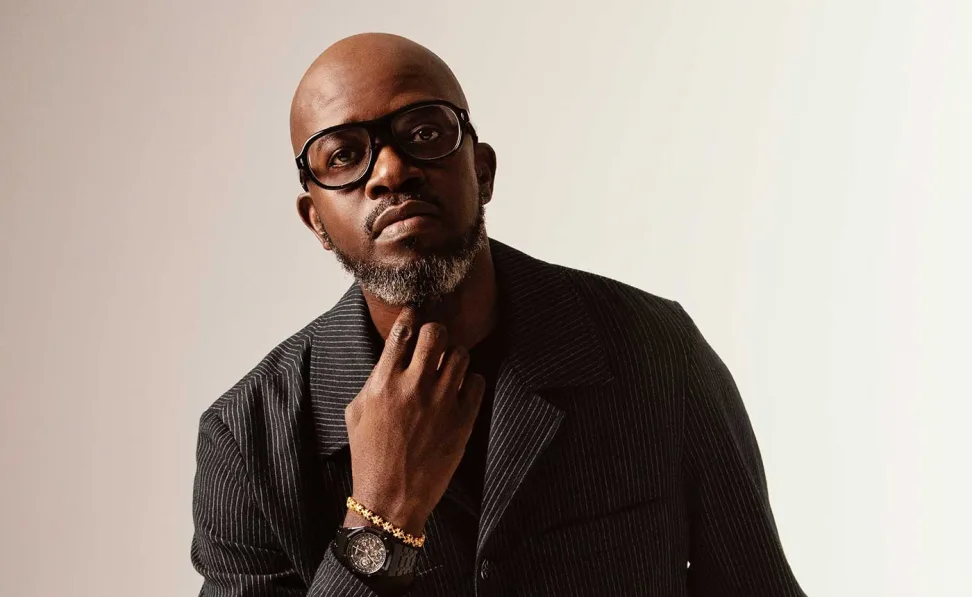
There are producers who make hits, and then there are producers who alter global perception. Black coffee belongs firmly in the second category.
Long before amapiano became South Africa’s dominant export, Black Coffee carried South African house music into international electronic spaces traditionally resistant to African producers. His Grammy win mattered culturally because it validated decades of African electronic innovation that global audiences had often overlooked.
But beyond accolades, what separates Black Coffee is emotional sophistication. His production feels mature. Patient. Architectural. He understands space better than almost anyone in dance music.
Publications like Resident Advisor and Billboard have consistently praised his ability to merge deep-house textures with African rhythmic identity without diluting either one.
That balance matters deeply. Because many artists chase global acceptance by abandoning local identity. Black Coffee did the opposite. He amplified his South African musical language until the world had no choice but to listen carefully.
Mdu aka TRP

If you know amapiano properly, not casually or algorithmically, but spiritually, then you already understand Mdu aka TRP’s importance.
His sound feels less commercial and more immersive, almost like late-night Johannesburg conversations translated into rhythm. The percussion is often rougher. The textures are moodier. The arrangements take longer to unfold. And that is precisely why serious music listeners respect him so heavily.
Mdu represents a crucial side of South African production culture that mainstream media sometimes ignores: producers who prioritize atmosphere and authenticity over viral moments.
Not every song needs to scream for TikTok attention. Some songs deserve patience.
MashBeatz
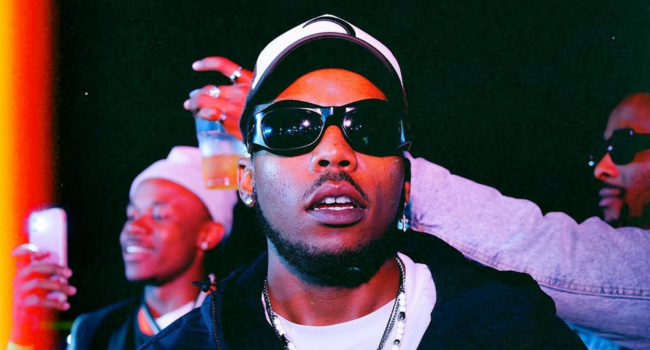
South African hip-hop production rarely gets discussed with the depth it deserves, which is strange considering how influential the scene has become culturally.
MashBeatz changed the conversation.
His work with artists like A-Reece introduced a darker, cleaner, more cinematic production style into local hip-hop. The beats felt international without sounding disconnected from South African emotional reality.
That is difficult to achieve.
Too many producers mistake imitation for sophistication. MashBeatz understands texture, pacing, and narrative. His production gives rappers emotional room to sound reflective rather than performative.
And honestly? South African hip-hop needed that evolution badly.
Tyler ICU
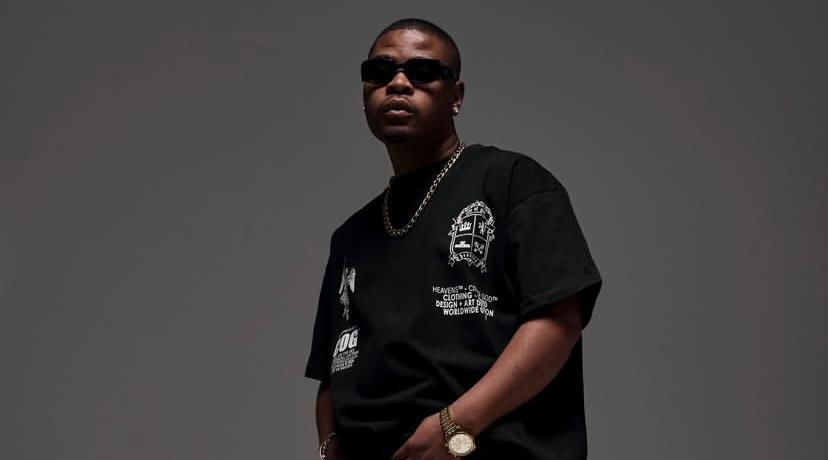
Tyler ICU represents the new generation of producers who understand both virality and musicality, which is becoming one of the most valuable combinations in modern music.
His records move quickly online because they contain strong emotional hooks, but beneath that accessibility is real production craftsmanship. Layering. Timing. Rhythm control. Tension-building. That is why the music lasts longer than internet trends usually allow.
And this is perhaps the most exciting thing happening in South African music right now: producers are no longer choosing between artistic depth and commercial success. Increasingly, they are mastering both.
At SFI.COZA, we believe this matters beyond entertainment.
Because producers shape emotional memory. They soundtrack taxi rides, heartbreaks, graduation celebrations, Sunday cleaning sessions, rooftop conversations, gym playlists, church youth camps, fashion week afterparties, and those deeply dramatic solo walks people take after listening to one emotional album and suddenly believing life is a coming-of-age film.
The South African Music Beatmakers Quietly Shaping Global Music Right Now Share on XThe Deep House Purists Keeping Soul Alive
Dwson
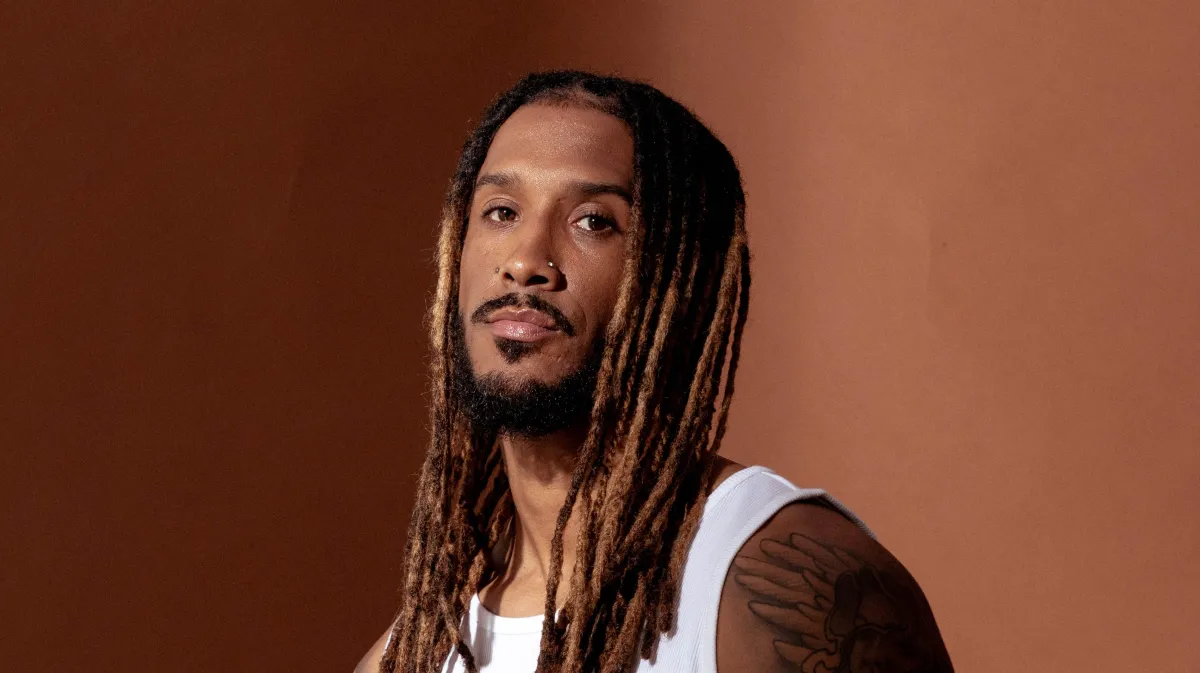
Dwson has quietly become one of the most respected names in South Africa’s “moody” deep-house space, blending soulful vocals with dubby textures and emotionally intelligent arrangements.
His records feel cinematic. Not dramatic. Cinematic. There is restraint in his production. Space. Patience. Confidence. In a streaming era obsessed with instant gratification, Dawson still trusts atmosphere.
Da Gifto

Da Gifto continues dominating soulful-house playlists through emotionally rich releases like “Imithandazo” and “Phakade.”
What separates him from many producers is consistency. He understands how to make music that feels emotionally warm without becoming repetitive or predictable.
That sounds easy. It is not.
Chronical Deep

Chronical Deep continues producing high-energy rhythmic deep house that transitions beautifully into club environments.
His music feels kinetic. You hear movement in it immediately. That ability to create rhythm that physically affects people remains one of the hardest skills in electronic music production.
Afro-Tech Leaders Dominating Global Stages
Da Capo

Da Capo remains one of South Africa’s most technically gifted producers, particularly within Afro-tech and Afro-surrealist electronic music.
His remix work continues influencing younger producers globally, while records like “Wild Fire” still sound futuristic years later. Very few producers understand emotional tension the way Da Capo does.
Shimza
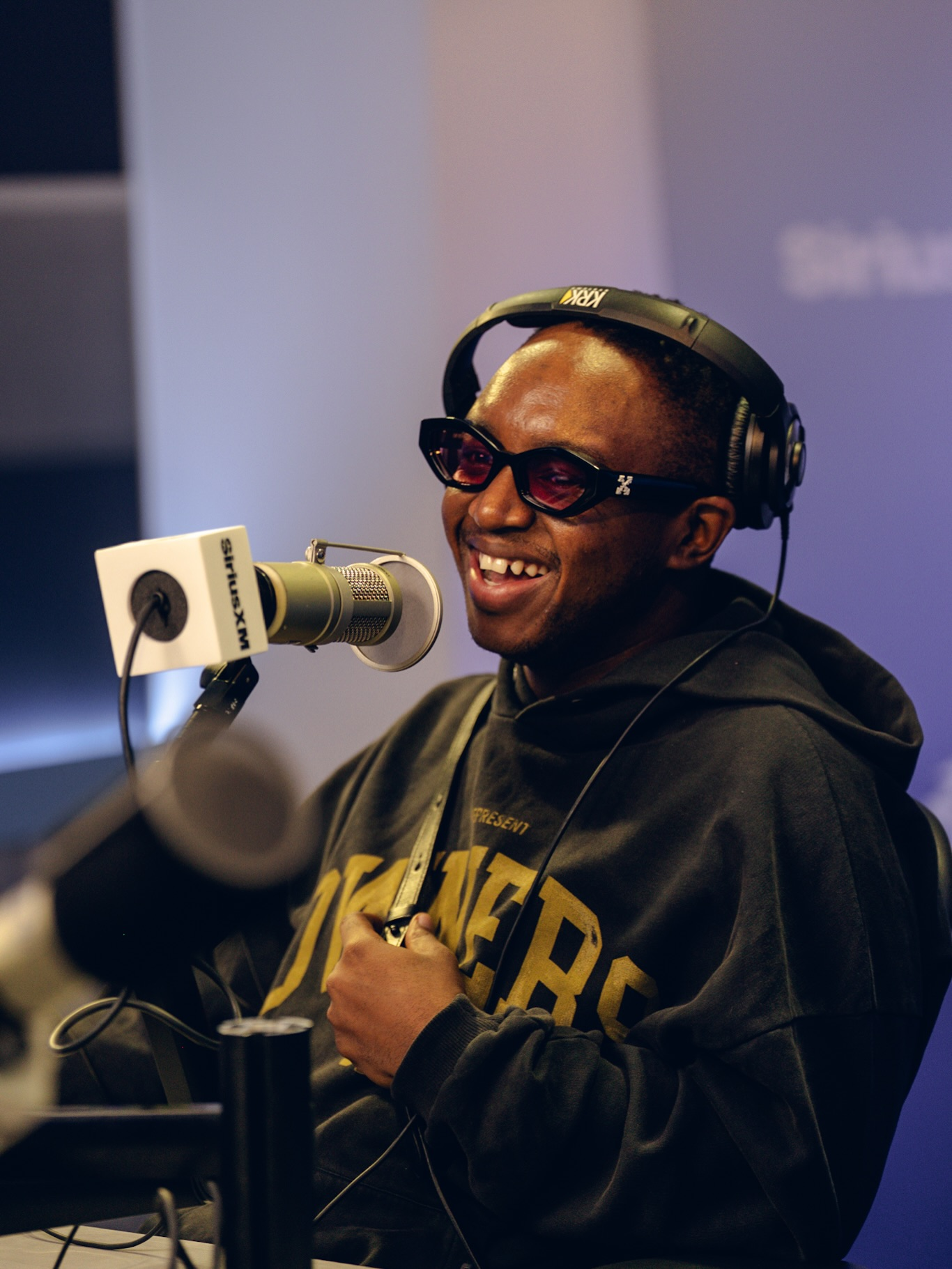
Shimza has transformed Afro-tech into a massive global movement through his “One Man Show” platform and relentless touring schedule.
But beyond the performances, his production style deserves serious respect. Percussive. Energetic. Precise. Shimza understands how to create records that feel massive without losing African rhythmic identity.
Ciza
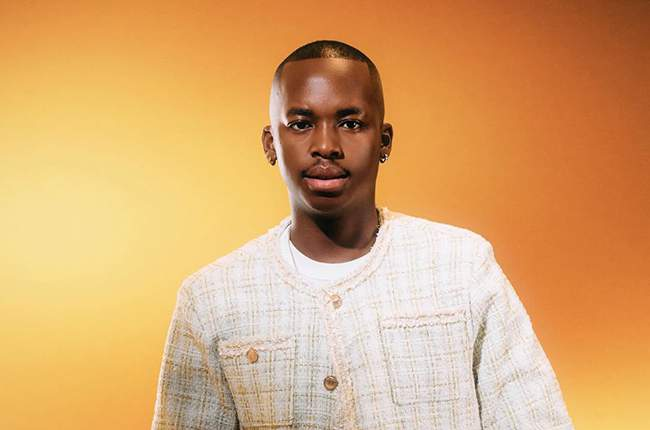
Ciza represents a younger generation positioning Afro House as a serious global contender in 2026. His sound blends accessibility with cultural rhythm in a way that makes international audiences engage with African electronic music naturally rather than exotically.
That distinction matters more than people realize.
The Hip-Hop Producers Rebuilding South African Rap
Zoocci Coke Dope
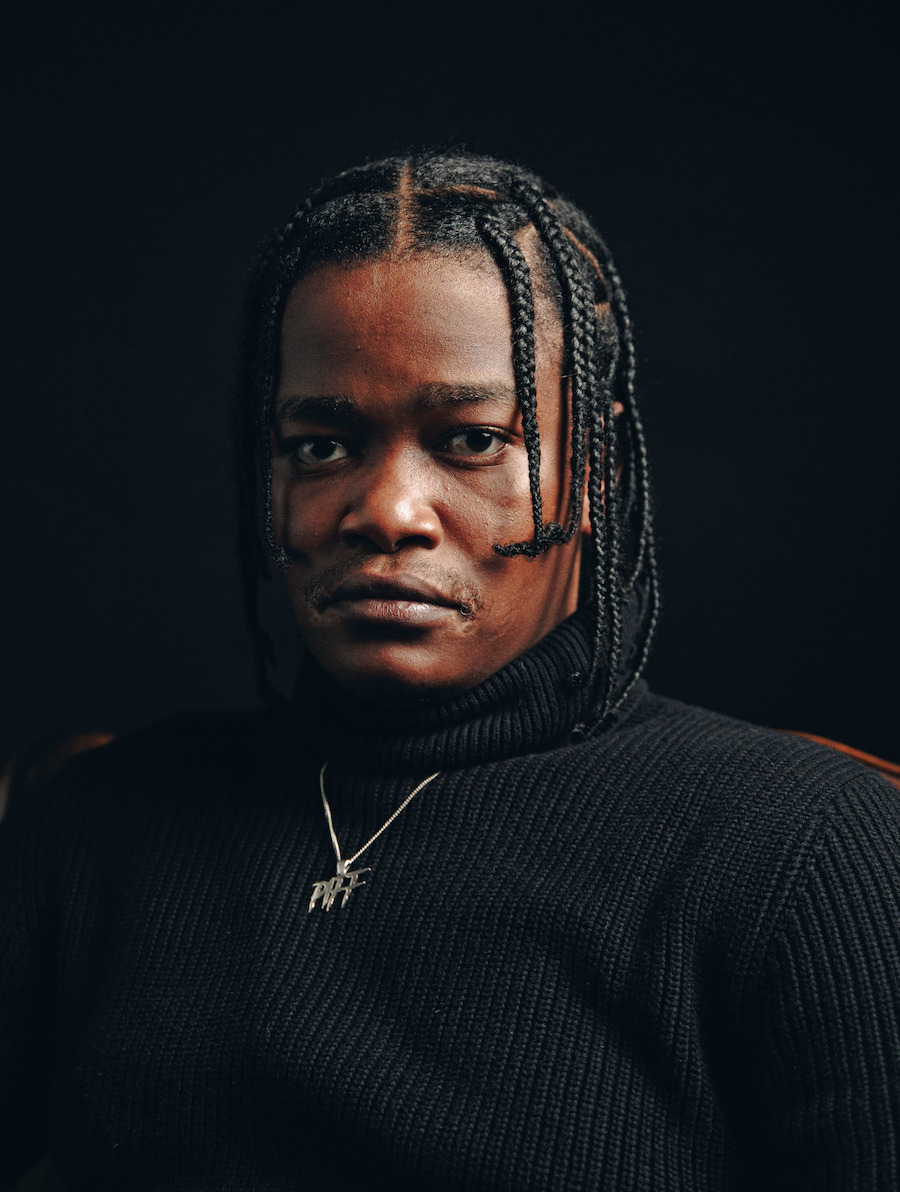
Zoocci Coke Dope continues operating like one of the smartest sonic minds in South African hip-hop.
Minimal. Clean. Emotionally sharp. Few producers understand melodic restraint the way Zoocci does, which explains why artists continue trusting him with career-defining records.
Herc Cut The Lights

Known heavily for his collaborations with Blxckie, Herc Cut The Lights has become one of the strongest producers within South African melodic trap and modern rap production.
His sound feels polished but never sterile. That balance is difficult to maintain.
Tweezy

Tweezy remains one of the legendary figures within South African hip-hop production.
Longevity matters in music. And staying culturally relevant across multiple eras while still producing chart-topping records deserves enormous respect.
The South African Music Beatmakers Quietly Shaping Global Music Right Now Share on XThe New Wave Producers You Should Watch Closely
Official RSA & Al Xapo

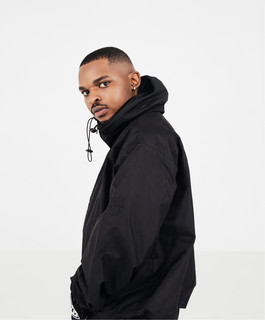
Both names are rapidly becoming unavoidable within South Africa’s emerging “street sound” movement in 2026. Their productions blend local rhythm with internet-age energy beautifully. Raw. Energetic. Immediate.
Kindly Nxsh & K1llbrady
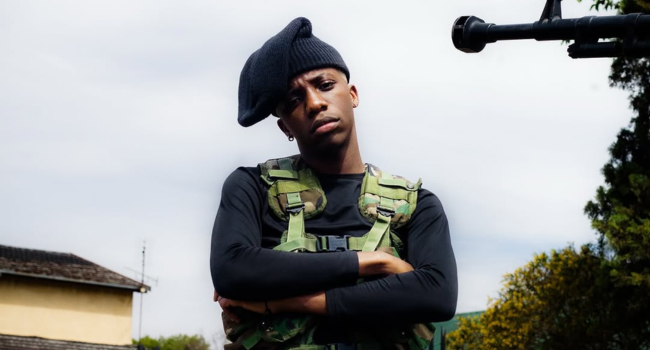
These are the names driving South Africa’s “new wave” hip-hop and trap evolution.
Genre lines no longer matter to this generation. House, trap, rage beats, and Afro-electronic textures, everything blends together naturally. And honestly, that experimentation feels healthy for South African music culture.
BandaBanda
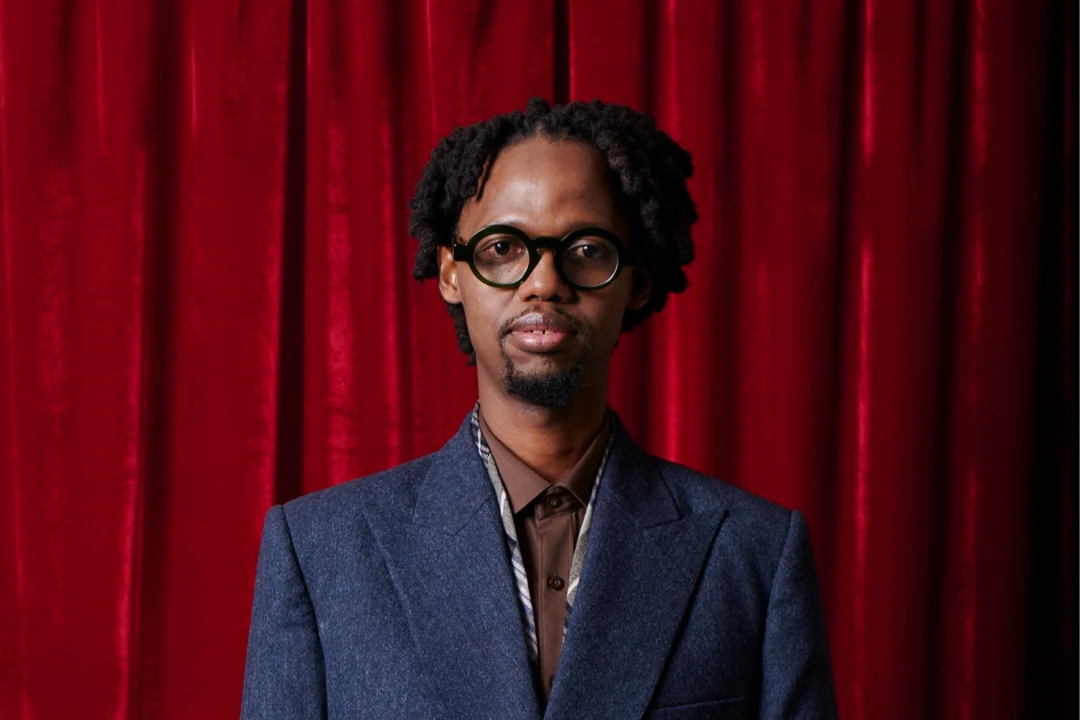
BandaBanda represents something increasingly important in African music: fearless genre fusion.
Through projects like the 2026 “ZINZA Tour,” he continues blending jazz, electronic, alternative, and African rhythmic influences into something deeply creative and difficult to categorize.
At SFI.COZA, we believe these producers are doing far more than creating songs.
They are documenting modern African emotion in real time.
Through basslines, log drums, synth textures, jazz chords, soulful vocals, and emotionally intelligent rhythm, South African producers are building one of the most exciting sonic movements anywhere in the world right now.
The South African Music Beatmakers Quietly Shaping Global Music Right Now Share on X

We at SFI.COZA think that stories have the ability to educate, uplift, and unite people. As a sociable and committed editor, we work hard to provide rich media coverage that connects with our audience. Our ambition to positively touch our audience's lives, one article at a time, is equal to our enthusiasm for storytelling. Come along on this adventure with us as we explore the planet.






Leave a Reply