


What makes this moment particularly compelling is that the individuals shaping contemporary South African culture are not confined to traditional centres of influence. They are entrepreneurs building businesses from township high streets and global boardrooms alike, designers transforming African aesthetics into luxury propositions, technologists solving uniquely African challenges, photographers reframing how the continent sees itself, and digital storytellers turning personal narratives into international movements. They understand something previous generations often did not: in an interconnected world, culture moves at the speed of the internet, but influence is still earned through authenticity.
Together, they represent more than individual success stories. They embody a broader shift taking place across South Africa/Africa: the emergence of a generation that is redefining what leadership, creativity and cultural power look like in the twenty-first century.
The Most Influential South Africans in Business, Culture and Innovation in 2026 Share on XMedia & Creative Industries
Johnny Malepa is a South African creative entrepreneur, multimedia artist, and founder of the Malepa Agency. Recognized as one of the country’s leading young creative directors, he has built an international career collaborating with global brands and artists while championing African talent and innovation in entertainment and design.

Key facts
- Born: Tzaneen, Limpopo, South Africa
- Notable roles: Founder & Creative Director, Malepa Agency (since 2019)
- Awards: Forbes Africa 30 Under 30 (2025); Mail & Guardian 200 Young South Africans (2024)
- Worked with brands: Netflix, Disney, KFC, WWE, Showmax, Amazon
- Collaborated with artists: Drake, Beyoncé, AKA, Taylor Swift
Early life and education
Raised in Ga-Kgapane Township in Limpopo, Malepa developed a passion for art and music from childhood. He began drawing and experimenting with early digital tools at age eight, later teaching himself video editing and photography to promote his own music. Although he enrolled in an information technology degree, he left university in his third year to pursue creative work full-time, describing the decision as pivotal to his success.
Career and achievements
Malepa’s multidisciplinary expertise spans advertising, branding, film, television, music production, and digital content. Before founding the Malepa Agency, he worked as an art director for Viacom and multimedia designer at Trace, later collaborating with Sony Music, Universal Music Group, and major broadcasters. His agency’s campaigns for Netflix, Disney, and Showmax have earned him more than 50 awards and certifications, including multiple international advertising honors.
Recognition and impact
Named to the Forbes Africa 30 Under 30 list in 2025, Malepa is celebrated for his resilience and mentorship ethos—urging young creatives to “start with what you have.” He is widely regarded as part of a new wave of African creatives reshaping global entertainment narratives, using design and storytelling to bridge local authenticity with international appeal.
Malepa Agency
Founded in 2019, the Malepa Agency operates as a creative and production house based in South Africa, providing brand development, multimedia design, and artist management services. The agency’s vision centers on empowering African creatives and expanding the continent’s presence in global media industries.
The Most Influential South Africans in Business, Culture and Innovation in 2026 Share on XNandi Dlepu is a South African media entrepreneur, creative director, and cultural curator known for reimagining Johannesburg’s creative landscape. She is the founder of Semantica Digital and the creative agency Mamakashaka & Friends, which focuses on elevating African creativity and lifestyle brands.
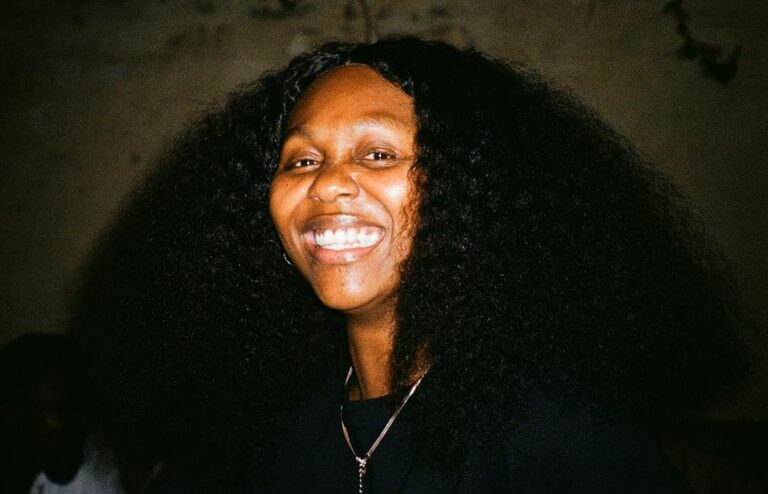
Key facts
- Profession: Creative director, entrepreneur, cultural curator
- Education: Graduate of AFDA (South African School of Motion Picture Medium and Live Performance)
- Founded: Mamakashaka in 2017; Semantica Digital (year not publicly stated)
- Based in: Johannesburg, South Africa
- Known for: Founding cultural platforms Bloom, Feel Good Series, Pantone Sundays
Early life and education
Dlepu grew up in South Africa, moving from Gqeberha to Johannesburg during her youth. She studied at AFDA, gaining a foundation in film, design, and storytelling that later shaped her multifaceted creative practice. Her early career included roles at leading agencies and production houses such as Masters & Savant, Tenant McKay, Clearwater, and T+W.
Career and ventures
Through her companies, Dlepu has created experiences that merge culture, music, and design. Mamakashaka & Friends operates as both an agency and cultural studio, while Semantica Digital extends her work into digital strategy and creative consultancy. Her projects—like the Feel Good Series, Pantone Sundays, and Bloom—have become influential platforms celebrating African music, wellness, and creative collaboration.
Influence and recognition
Described as a “multi-faceted creative force,” Dlepu is recognized for nurturing inclusive creative communities and amplifying African aesthetics in media and brand storytelling. Her work has positioned her as a sought-after speaker and thought leader in South Africa’s cultural and entrepreneurial spheres, particularly for her contributions to women-led creative enterprises.
See also
- Mamakashaka & Friends – South African creative and cultural agency
- Semantica Digital – Digital consultancy founded by Nandi Dlepu
- Feel Good Series – Music and lifestyle event series promoting African creativity
Rapelang Rabana is a South African computer scientist, technology entrepreneur, and thought leader recognized for pioneering innovations in digital learning and communication technology. She is the founder of Rekindle Learning, co-CEO of Imagine Worldwide, and has been featured among Forbes Africa’s “30 Under 30” and the World Economic Forum’s Young Global Leaders.
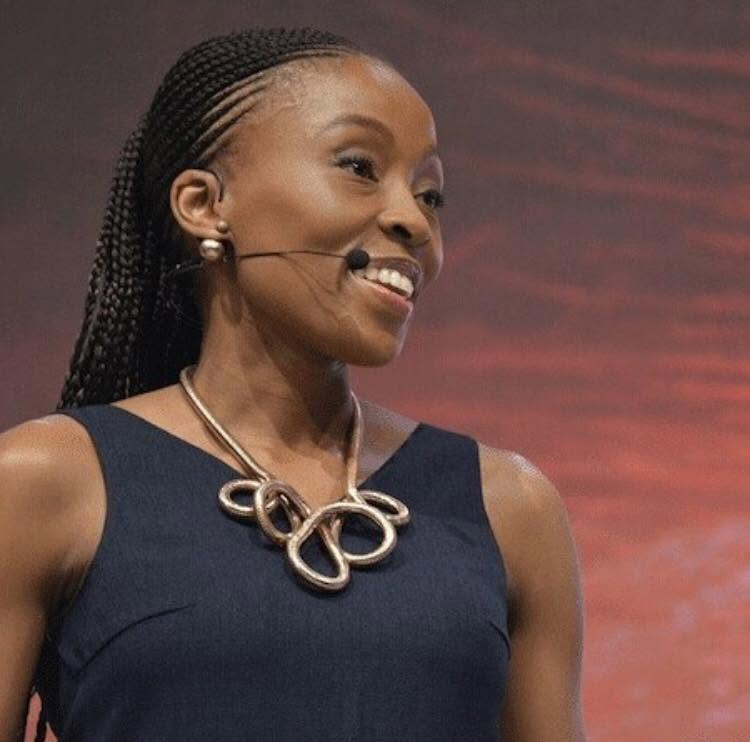
Key facts
- Born: 1980s, South Africa
- Education: B.Bus.Sci. (Computer Science Hons.), M.Sc., University of Cape Town
- Notable roles: Co-CEO, Imagine Worldwide; Founder, Rekindle Learning; Co-founder, Yeigo Communications
- Honors: Forbes Africa “30 Under 30,” Young Global Leader (WEF), Entrepreneur for the World (World Entrepreneurship Forum)
- Focus areas: EdTech, innovation, inclusive digital transformation
Early career and Yeigo Communications
Rabana first gained prominence as founding CEO of Yeigo Communications, a Cape Town startup that developed some of the earliest mobile Voice over Internet Protocol (VoIP) applications globally. The company’s 2008 partnership with Swiss telecom group Telfree extended its reach into next-generation communications services, positioning her as one of Africa’s emerging tech innovators.
Rekindle Learning and education innovation
Building on her success in telecoms, Rabana founded Rekindle Learning in 2012 to transform how people learn through mobile and online platforms. The company offers bite-sized, adaptive learning tools designed to enhance workplace and student education, with projects improving English proficiency and digital literacy across Africa. Rekindle Learning was profiled by McKinsey as an innovation in mobile learning.
Leadership and impact
Rabana has held senior leadership positions including Chief Digital Officer at BCX, where she drove corporate innovation and digital strategy. In 2023, she became Co-CEO of Imagine Worldwide, an NGO providing tablet-based literacy and numeracy programs for children across seven African countries, in partnership with governments like Malawi’s. She also co-founded FFWD Innovation and is a venture partner at GrindstoneXL and Nisela Capital, supporting early-stage African entrepreneurs.
Recognition and thought leadership
Globally, Rabana is celebrated as a speaker and advocate for digital inclusion and women in tech. She has shared stages with leaders such as President Paul Kagame and author Malcolm Gladwell, championing technology’s role in equitable growth. Her achievements and influence continue to inspire Africa’s next generation of innovators.
Meet the Young African Visual Storytellers Changing Global Perceptions Share on XTechnology & Innovation
Jacques Jordaan is a South African entrepreneur and technology innovator best known as the co-founder and director of Specno, a digital-product development company based in Cape Town. He is recognized for advancing product validation and design strategies for startups and enterprises in South Africa’s fast-growing tech sector.

Key facts
- Role: Co-founder and Director, Specno
- Other venture: Technical co-founder of Wardworx (launched 2021)
- Education: BCom in Financial Management & Information Systems; Honours in Informatics, Stellenbosch University
- Location: Cape Town, South Africa
Early career and education
Jordaan studied financial management and information systems at Stellenbosch University, where he later completed an honours degree in informatics. His academic background built the foundation for his focus on the intersection of business strategy and technology innovation.
Founding Specno
Specno was established to help organizations validate, design, and launch digital products efficiently. Under Jordaan’s leadership, the company has grown into a recognized player in the South African startup ecosystem, offering services in UX/UI design, software development, and product strategy. Specno emphasizes rapid prototyping and evidence-based market testing, enabling clients to bring ideas to market with reduced risk.
Other ventures and impact
Beyond Specno, Jordaan co-founded Wardworx, a digital platform designed to streamline hospital and clinic staff workflows. Since its 2021 launch, Wardworx has attracted thousands of active users, demonstrating Jordaan’s commitment to applying digital tools to improve real-world efficiency in healthcare. His entrepreneurial work contributes to Cape Town’s growing reputation as a hub for African technology innovation.
Ludwick Marishane is a South African inventor and entrepreneur best known for creating DryBath®, the world’s first waterless bathing gel. Founder and managing director of Headboy Industries, he uses innovation to address hygiene and water scarcity challenges affecting billions globally.
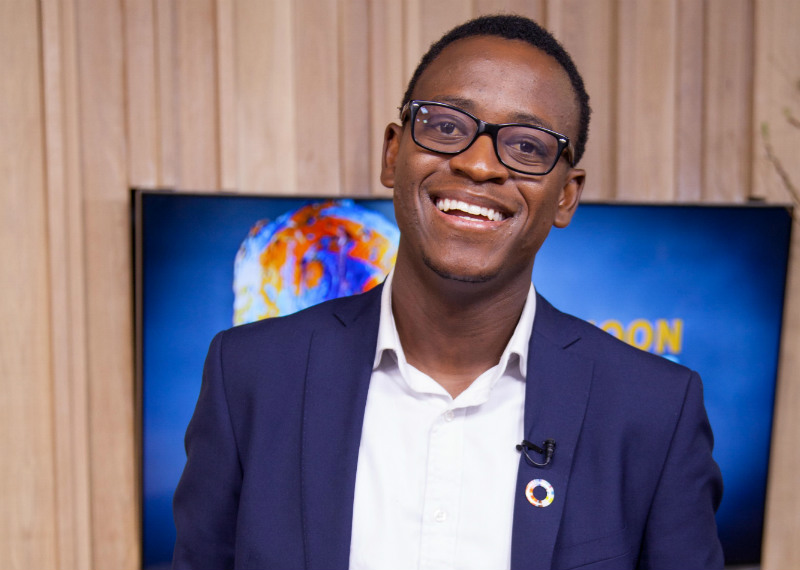
Key facts
- Born: 1990 (Motetema, Limpopo, South Africa)
- Education: BBusSci (Hons), University of Cape Town
- Known for: Inventing DryBath®, a no-water cleansing gel
- Company: Headboy Industries Inc.
- Notable honors: TIME magazine “30 Under 30 Changing the World”; Forbes Africa “Top 30 Under 30”
Early life and invention of DryBath
Growing up in rural Limpopo, Marishane was inspired to find practical solutions to everyday problems. In 2007, while still in high school, he conceived DryBath after a friend jokingly wished for a way to avoid bathing in cold weather. Using his basic cellphone to research, he developed an antibacterial, biodegradable gel that cleans and moisturizes skin without water, later patenting the formula. The product targets communities lacking reliable water access and those seeking convenient hygiene solutions.
Entrepreneurial journey and recognition
While studying at the University of Cape Town, Marishane founded Headboy Industries to commercialize DryBath. His innovative work earned him the 2011 Global Student Entrepreneur of the Year Award and recognition by Google as one of the “12 Brightest Young Minds in the World.” He later became one of only two Africans featured in TIME magazine’s “30 Under 30 Changing the World” list.
Broader impact and initiatives
Marishane promotes innovation-driven development in Africa. Through Headboy, he consults on product development and sustainability, and he co-founded an ed-tech startup aimed at cutting university dropout rates in half. He has spoken at international events, including the 2015 Accenture Innovation Conference, and participates in the World Economic Forum Global Shapers Johannesburg Hub, advocating for youth empowerment and responsible entrepreneurship.
Legacy
Marishane’s invention and outreach highlight how frugal innovation can address social and environmental challenges. DryBath remains a global symbol of African ingenuity—offering dignity, hygiene, and water conservation to millions while inspiring a new generation of entrepreneurs.
The Most Influential South Africans in Business, Culture and Innovation in 2026 Share on XVinny Lingham (born February 7, 1979) is a South African entrepreneur, investor, and blockchain thought leader. He is best known as the co-founder of Civic, a blockchain-based identity verification platform, and Rumi.ai, an AI-enhanced video conferencing tool. Lingham is a prominent figure in the global tech and crypto sectors, often called “The Bitcoin Oracle” for his early Bitcoin price predictions.

Key facts
- Born: February 7, 1979, East London, South Africa
- Known for: Co-founding Civic, Gyft, Yola, and Rumi.ai
- Roles: Executive Chairman at Civic, CEO of Rumi.ai, General Partner at Multicoin Capital
- Awards: World Economic Forum Young Global Leader (2009)
- TV appearance: “Shark” on Shark Tank South Africa
Entrepreneurial ventures
Lingham’s first major success came with Yola (originally SynthaSite), a website-building platform launched in 2007. In 2012, he founded Gyft, a mobile gift card marketplace later acquired by First Data Corporation for over $50 million. His 2015 venture, Civic Technologies, raised $33 million through an initial coin offering to create decentralized digital identity solutions. He later co-founded Rumi.ai (formerly Waitroom), integrating real-time AI features into professional video communication.
Investment and ecosystem impact
Through Newtown Partners and Multicoin Capital, Lingham has backed early blockchain and Web3 projects such as Solana, Filecoin, and Render Token. He also co-founded the Silicon Cape Initiative, a nonprofit fostering tech entrepreneurship in South Africa’s Western Cape. His advocacy has helped shape regional innovation ecosystems and global conversations about self-sovereign digital identity.
Recognition and public influence
Lingham was named one of the Top Young ICT Entrepreneurs in Africa (2006) and an Endeavor High-Impact Entrepreneur (2006). He frequently appears at blockchain conferences and in media discussions on fintech regulation and crypto market trends. His cross-disciplinary work continues to bridge emerging technologies with global business and policy.
Meet the Young African Visual Storytellers Changing Global Perceptions Share on XLuxury, Fashion & Design
Thebe Magugu is a South African fashion designer celebrated for blending storytelling, heritage, and contemporary design. Founder of the Johannesburg-based luxury label THEBE MAGUGU, he is known for redefining African fashion narratives through intellectual, culturally rooted collections that merge history, identity, and innovation.
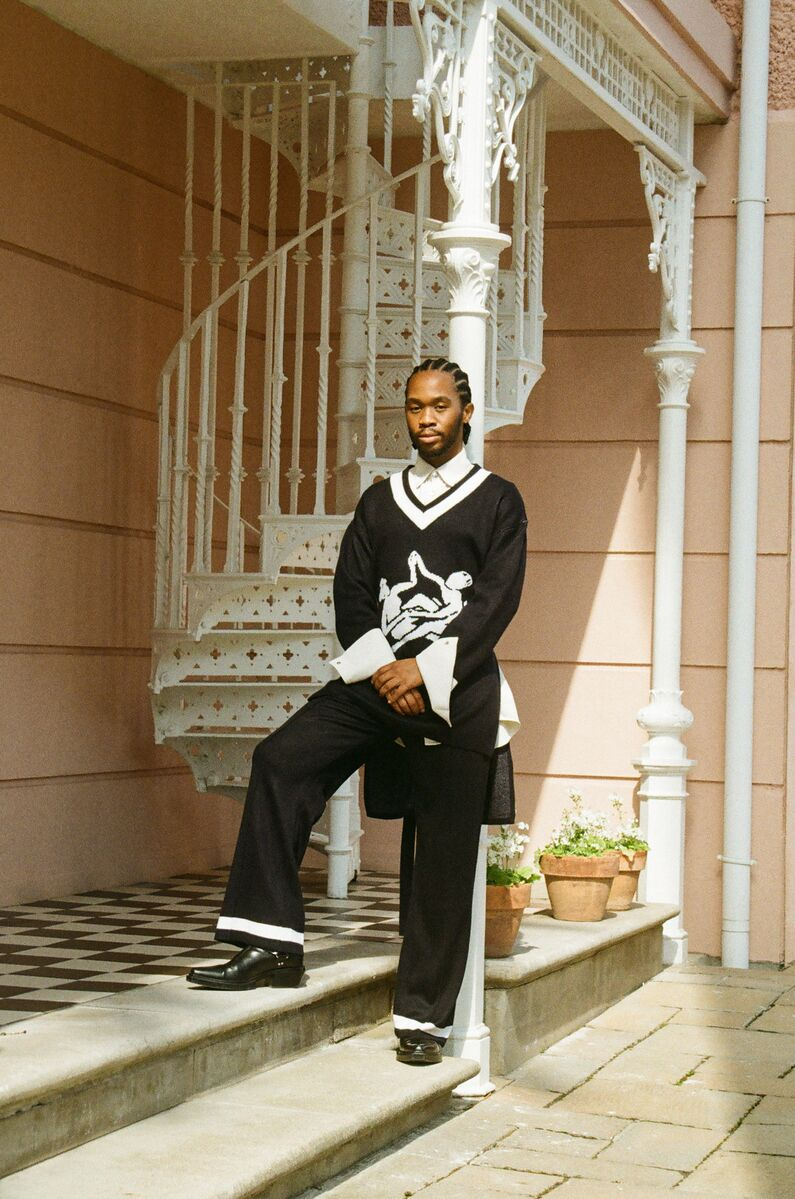
Key facts
- Born: 1993, Kimberley, South Africa
- Label founded: 2016, Johannesburg
- Awards: LVMH Prize (2019); International Fashion Showcase (2019)
- Focus: Cultural preservation through fashion and education
- Concept store: Magugu House (opened 2024)
Early life and education
Raised in Kimberley, Magugu studied fashion design, photography, and media at LISOF (now Stadio School of Fashion) in Johannesburg. His academic curiosity informs his design philosophy, each collection references a university subject such as “African Studies,” “Prosopography,” or “Counter Intelligence.” This structure mirrors his belief in fashion as a tool for research and education.
Career and brand identity
Magugu launched his namesake label in 2016 with a vision he calls “Afro-encyclopedic,” aiming to immortalize African stories and figures through cloth. His collections reinterpret traditional aesthetics with sharp tailoring, refined silhouettes, and vivid prints. Notable collaborations include projects with Dior, Adidas, and AZ Factory. The label’s work often explores themes of womanhood, community, and postcolonial identity.
Recognition and influence
In 2019, Magugu became the first African designer to win the LVMH Young Fashion Designer Prize, propelling him to international prominence. His work has been exhibited at the Victoria and Albert Museum and featured in global outlets such as Vogue and Business of Fashion. TIME magazine listed his concept store, Magugu House, among “The Greatest Places in the World.”
Themes and recent work
Magugu’s “Mother & Child” and “Heritage Dress” series honor South Africa’s diverse tribes, including Zulu, Xhosa, Tswana, and Ndebele cultures. These pieces fuse artistic illustration with cultural symbolism, celebrating matriarchy and unity. His platform Faculty Press, a zine he curates, showcases emerging African creatives and fosters discourse on race, identity, and politics.
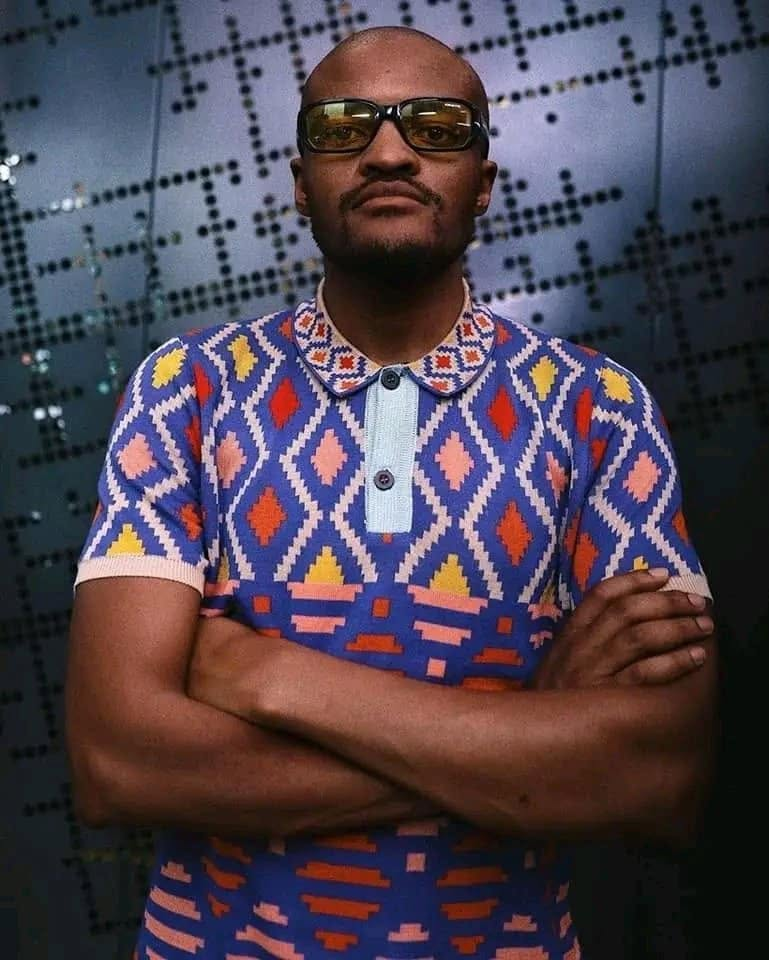
The Most Influential South Africans in Business, Culture and Innovation in 2026 Share on XLaduma Ngxokolo is a South African fashion designer and entrepreneur, best known as the founder and chief creative director of the luxury lifestyle brand MaXhosa Africa. His work fuses traditional Xhosa aesthetics with contemporary design, redefining African luxury on global runways and in design institutions worldwide.
Key facts
- Born: 1986, Port Elizabeth, South Africa
- Brand founded: MaXhosa by Laduma (2010)
- Education: Nelson Mandela University; MA, Central Saint Martins, London
- Notable awards: Design Indaba’s “Most Beautiful Object in South Africa” (2016), Vogue Italia “Scouting for Africa” winner (2015)
- Headquarters: Johannesburg, South Africa
Cultural roots and design philosophy
Ngxokolo’s journey began with a 2010 university thesis exploring modern clothing for amakrwala (Xhosa initiates). Drawing from his own initiation experience, he created knitwear that embodied Xhosa beadwork patterns and symbolism using South African mohair and wool. His collections transform ancestral motifs into geometric modern luxury, aiming to preserve and globalize indigenous South African design heritage.
Global recognition and expansion
MaXhosa Africa has showcased in Paris, Milan, New York, and Johannesburg Fashion Weeks. The brand’s vibrant knits have been worn by celebrities such as Alicia Keys, Swizz Beatz, and DJ Black Coffee. Beyond apparel, Ngxokolo has extended the label into interior design—rugs, cushions, and homeware—establishing MaXhosa as a full lifestyle brand with flagship stores in Johannesburg and Cape Town.
Innovation and advocacy
Committed to building Africa’s creative economy, Ngxokolo promotes ethical production using local materials and artisans. He famously challenged cultural appropriation in fashion after a design dispute with Zara, emphasizing the importance of protecting African intellectual property. Through his leadership, MaXhosa symbolizes both cultural authenticity and contemporary sophistication in global fashion.
The Most Influential South Africans in Business, Culture and Innovation in 2026 Share on XTownship Business & Grassroots Entrepreneurship
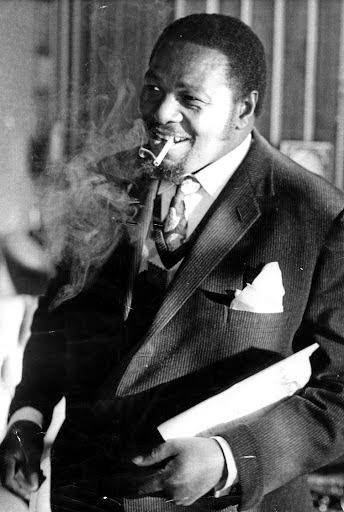
Richard John Pelwana Maponya (1920–2020) was a South African entrepreneur and pioneer of black business during apartheid. Known as the “father of black retail,” he built a multidecade legacy of enterprise, community upliftment, and advocacy for black economic empowerment in Soweto and beyond.
Key facts
- Born: 24 December 1920, Tlhabine, Limpopo
- Died: 6 January 2020, Johannesburg
- Notable venture: Maponya Mall, Soweto (opened 2007)
- Organizations founded: National African Federated Chamber of Commerce and Industry (1964)
- Honors: Order of the Baobab (Silver), multiple honorary doctorates
Early life and entrepreneurship
Maponya trained as a teacher but began working in retail after moving to Johannesburg in 1948. Spotting opportunities despite apartheid restrictions, he and his wife Marina (a social worker and relative of Nelson Mandela) started the Dube Hygienic Dairy, delivering milk by bicycle to Soweto residents. He later expanded into grocery stores, service stations, car dealerships, and property development .
Founding of NAFCOC and advocacy
In 1964, Maponya co-founded and became the first president of the National African Federated Chamber of Commerce and Industry (NAFCOC), which championed black entrepreneurs’ rights under apartheid. His leadership helped shape early models of black economic empowerment and created networks for township traders .
Maponya Mall and later ventures
After decades of persistence, Maponya realized his long-held dream of building a world-class shopping complex in Soweto. Opened in 2007 and inaugurated by Nelson Mandela, Maponya Mall symbolized Black economic self-determination and brought hundreds of local jobs and retail access to the township . He later developed Maponya Motor City and mentored young entrepreneurs.
Legacy and recognition
Maponya received several lifetime achievement awards and honorary doctorates from South African universities, including Durban University of Technology, for his contribution to entrepreneurship and education . President Cyril Ramaphosa described his life as “a testament to resilience, determination, and the power of vision.” His name endures through the Dr. Richard Maponya Institute for Entrepreneurship at the University of Johannesburg Soweto Campus.
The Most Influential South Africans in Business, Culture and Innovation in 2026 Share on XPhotography & Visual Culture
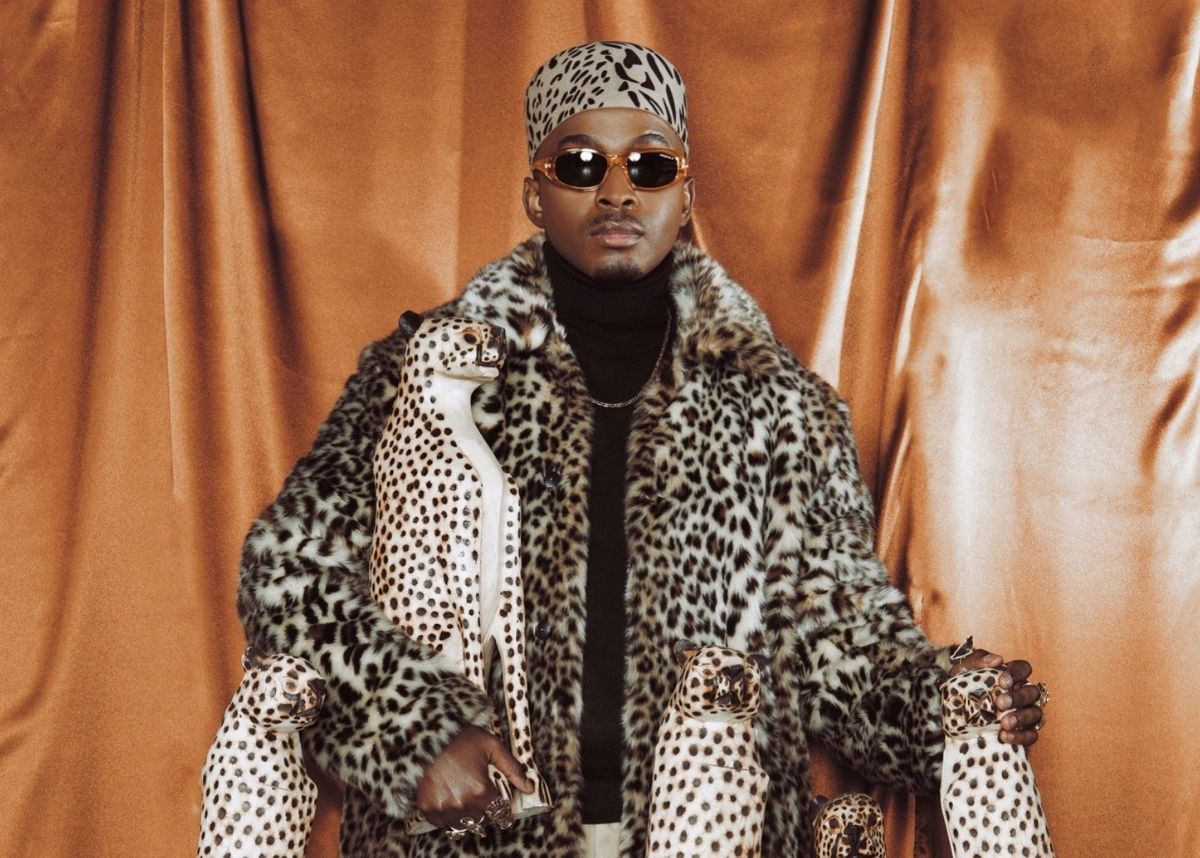
Trevor Stuurman (born December 25, 1992) is a South African photographer, stylist, and creative director celebrated for his vibrant visual storytelling and modern African aesthetic. His work merges fashion, culture, and identity, making him one of South Africa’s most influential voices in contemporary art and design.
Key facts
- Born: December 25, 1992 – Kimberley, South Africa
- Education: Honours degree in Motion Picture, AFDA (School of Film, Johannesburg)
- Notable honors: ELLE Style Reporter (2012); GQ Best Dressed Man (2015); Forbes 30 Under 30; TIME Next Generation Leader (2021)
- Founder: The Manor – a multidisciplinary creative collective and gallery space
Early life and rise
Stuurman’s passion for visual storytelling began in Kimberley, where he developed an eye for everyday beauty and self-expression. His national breakthrough came in 2012 when ELLE South Africa named him Style Reporter of the Year, propelling him into the fashion industry and establishing his reputation for redefining African street style and identity through photography.
Artistic vision and themes
Describing himself as a storyteller rather than just a photographer, Stuurman’s imagery celebrates African heritage, individuality, and home. His acclaimed exhibitions — including HOME (2016), A Place Called Home (2022), and Home Away From Home (2023) — explore belonging, nostalgia, and the meaning of “home” as both personal and cultural space. His subjects often include African icons and global figures such as Barack Obama and Naomi Campbell.
The Manor and collaborations
Through his platform The Manor, Stuurman curates and uplifts African creatives across disciplines. The collective’s projects, like Reflecting B(l)ack (2024), highlight African photographers and redefine global narratives around Blackness. His collaborations span brands including Woolworths, Versace, and MINI, and his work has appeared in Vogue and Marie Claire.
Legacy and influence
Trevor Stuurman is recognized for championing a modern African visual identity that fuses tradition with innovation. His creative leadership continues to shape how African culture is represented globally, positioning him as both a documentarian of the continent’s aesthetic evolution and a key architect of its creative future.
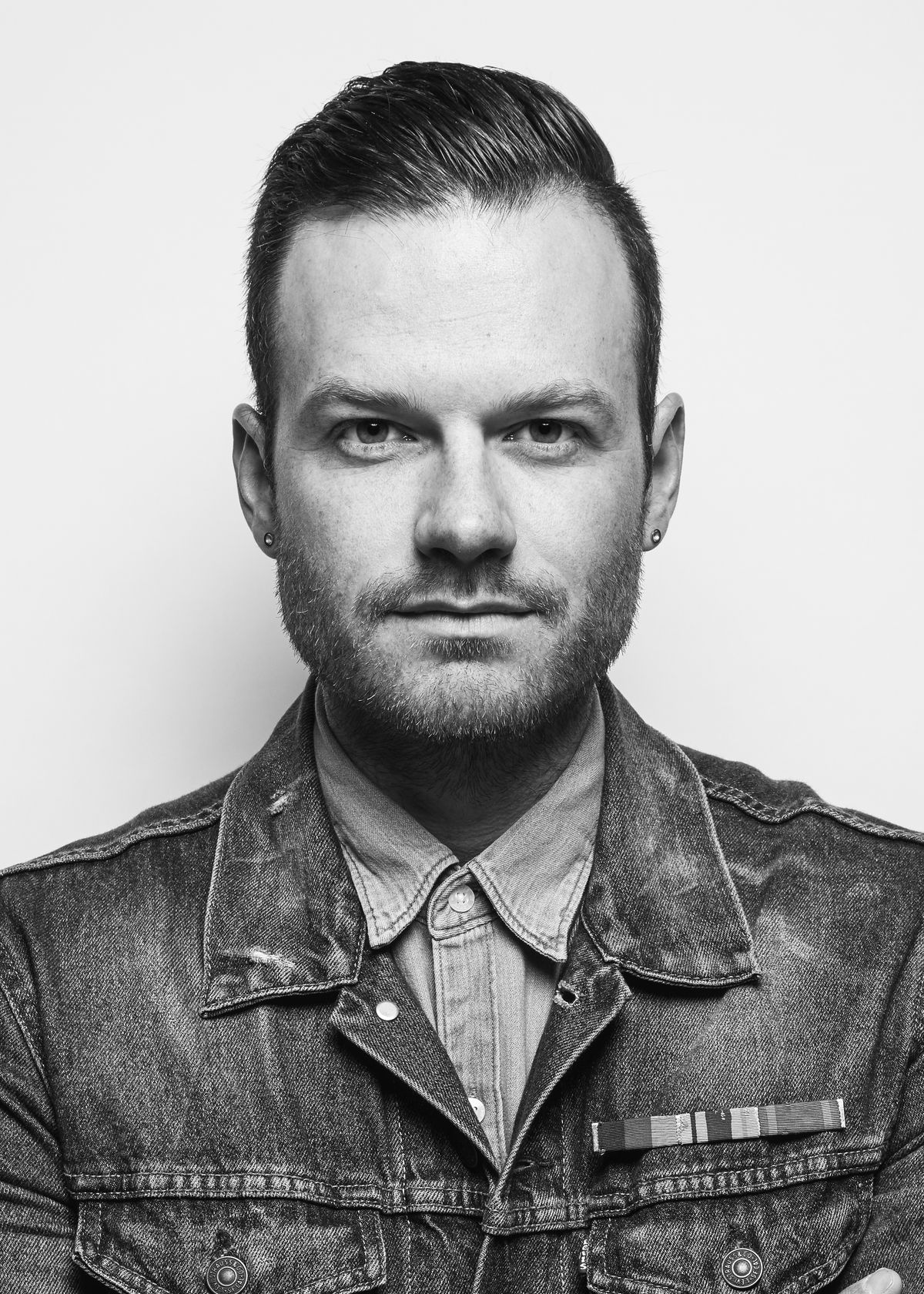
The Most Influential South Africans in Business, Culture and Innovation in 2026 Share on XJustin Dingwall (born 1983) is a South African contemporary photographer and visual artist based in Johannesburg. His work is recognized for challenging conventional ideals of beauty through symbolic, theatrical portraiture and surreal imagery exploring cultural identity, perception, and difference.
Key facts
- Born: 1983, Johannesburg, South Africa
- Education: BTech in Photography, Tshwane University of Technology (2004)
- Notable series: Albus, Affinity, Fly by Night
- Awards: SA Taxi Foundation Art Award (2015); Portrait of the Year, International Photography Awards (2018)
- Themes: Beauty, diversity, identity, perception, and transformation
Artistic approach
Dingwall’s photography merges fine art with conceptual portraiture, constructing highly staged, symbolic compositions. His practice emphasizes emotional resonance over linguistic or cultural boundaries, seeking to evoke personal reflection in viewers. Water, light, and natural motifs often serve as metaphors for rebirth, healing, and transformation in his imagery.
Notable projects
His celebrated series Albus (2014–) examines albinism and societal beauty standards through portraits of South African model-activists Thando Hopa and Sanele Xaba. The follow-up, Fly by Night (2015–2019), engages the metaphor of the Black Swan Theory to confront xenophobia, diaspora, and migration in African contexts. His later series Affinity continues exploring difference and shared humanity through vivid, symbolic portraiture.
Exhibitions and recognition
Dingwall has exhibited widely, including at the Guggenheim Bilbao, CCCB Barcelona, the II Bienal del Sur (Venezuela), and the FNB Johannesburg Art Fair. His works appear in institutional and private collections internationally. Through his images, Dingwall contributes a distinctive voice to contemporary African art that celebrates beauty in diversity and challenges social preconceptions.


We at SFI.COZA think that stories have the ability to educate, uplift, and unite people. As a sociable and committed editor, we work hard to provide rich media coverage that connects with our audience. Our ambition to positively touch our audience's lives, one article at a time, is equal to our enthusiasm for storytelling. Come along on this adventure with us as we explore the planet.



Leave a Reply