


Mental health is one of those subjects we often understand only when life forces us to pay attention to it, because beneath the ambitious careers, relationships, family responsibilities, and seemingly ordinary routines that make up modern life, many people are quietly trying to understand anxiety, exhaustion, grief, loneliness, self-doubt, depression, difficult relationships, and the strange feeling of being overwhelmed while still somehow expected to keep going, which is why the right book can sometimes become more than something you read before bed and instead become a quiet companion that gives language to experiences you have struggled to explain.
For SFI.COZA, the question is not simply which books are popular, but which books genuinely help readers understand themselves, recognise patterns, ask better questions and know when professional support may be necessary, and this selection brings together psychology, therapy, memoir and evidence-informed self-help from authors including clinical psychologists, therapists, psychiatrists and writers who have explored mental wellbeing through both professional experience and deeply personal stories.
8 Mental Health Books to Read When You Want to Understand Yourself Better Share on XA good mental-health book should not tell you that everything will suddenly be fine, but it should help you understand what you are experiencing and perhaps give you a better question to take into your next conversation, journal entry or therapy session.
1. Why Has Nobody Told Me This Before? — Dr Julie Smith
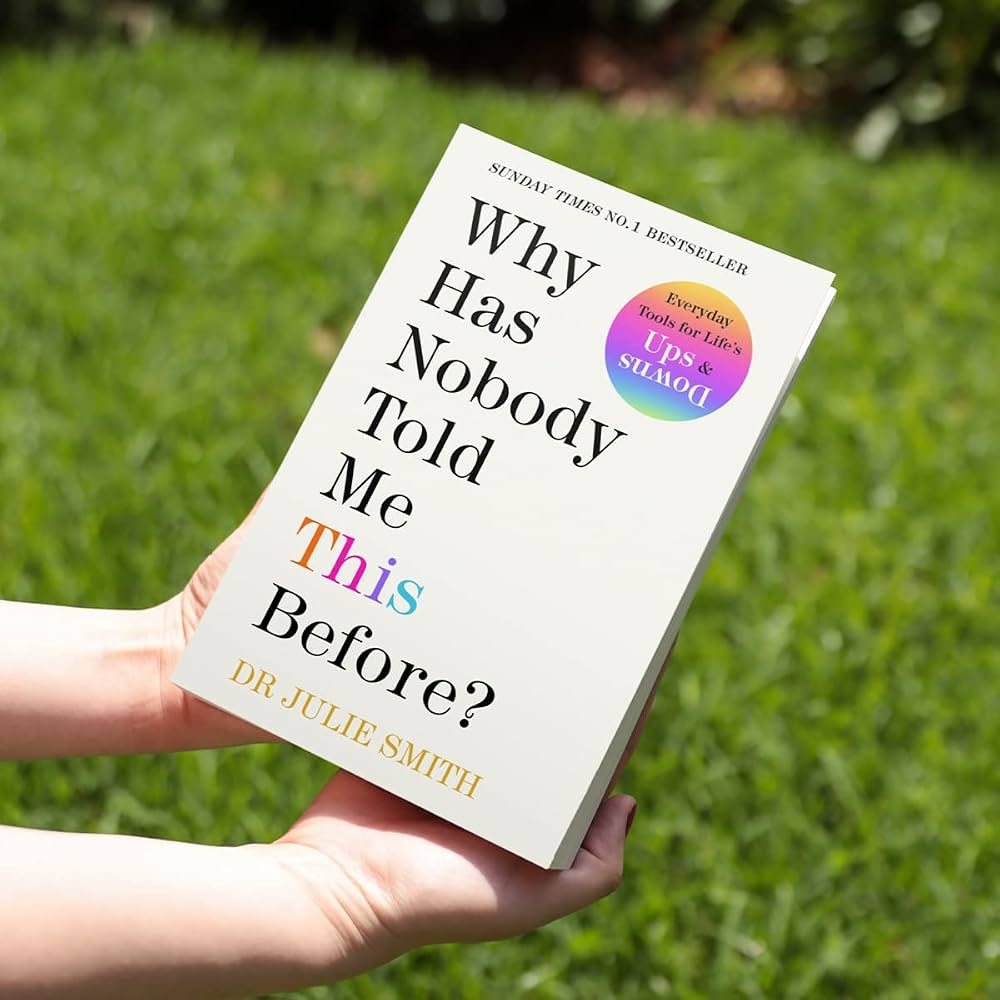
There is something immediately appealing about Dr Julie Smith’s Why Has Nobody Told Me This Before? because it does not approach mental health as an abstract academic subject reserved for psychologists and therapists, but instead breaks down everyday psychological challenges into accessible conversations about anxiety, low mood, motivation, confidence, criticism and emotional resilience, making it particularly useful for someone who knows that they want to understand their mind better but does not necessarily know where to begin.
Dr Julie Smith is a clinical psychologist who worked in the NHS and private practice before becoming known for making psychological education accessible through social media, and her book grew from that same philosophy of translating professional knowledge into practical guidance that ordinary people can understand and revisit when life becomes difficult.
What makes this book particularly useful is its accessibility, because you do not have to read it as though you are studying for a psychology examination, and you can instead move through the sections according to what you are experiencing at the time, whether that happens to be self-doubt on a difficult Monday morning, anxiety before an important conversation or the familiar feeling of losing motivation while still knowing exactly what you need to do.
Why SFI.COZA recommends it: it feels less like a textbook and more like having a psychologically informed conversation with someone who knows how to make complicated ideas understandable.
8 Mental Health Books to Read When You Want to Understand Yourself Better Share on X2. Maybe You Should Talk to Someone — Lori Gottlieb
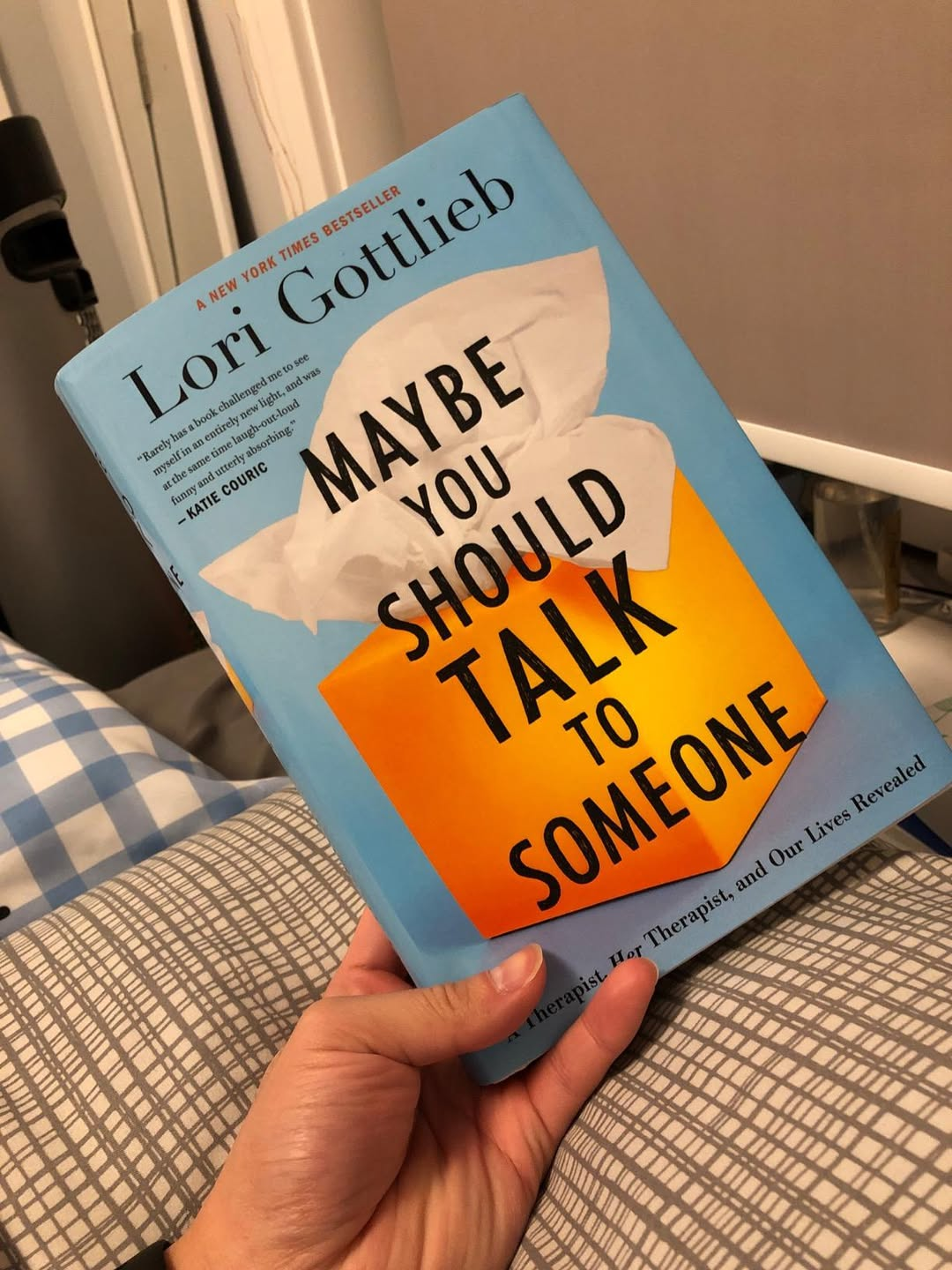
If you have ever wondered what actually happens inside a therapist’s office, Lori Gottlieb’s Maybe You Should Talk to Someone is one of the most engaging places to begin because the author does something unusually vulnerable, placing herself on both sides of the therapeutic relationship as a practising psychotherapist who eventually finds herself needing therapy too.
Lori Gottlieb’s book follows several patients while simultaneously telling the story of her own experience as a therapy client, creating a fascinating examination of the ways people arrive in therapy believing they have one problem only to discover that the deeper story is often much more complicated, human and revealing.
In an interview about the book, Gottlieb described one of its central themes as the idea that we grow through connection with other people, while also emphasising how much more alike people are beneath the surface than we often imagine, and that idea gives the book an emotional quality that extends beyond therapy and into friendships, romantic relationships, family and the way we understand ourselves.
This is one of those books that can make you pause halfway through a chapter because you suddenly realise that the person you have been judging most harshly might actually be yourself, and that is perhaps its greatest strength, because it encourages self-awareness without turning self-awareness into another reason to become cruel to yourself.
Why SFI.COZA recommends it: Anyone curious about therapy, relationships, emotional patterns, and the complicated stories we tell ourselves. It reminds us that needing help does not make you less intelligent, less capable, or less successful, because even the person helping others may sometimes need someone to help them.
8 Mental Health Books to Read When You Want to Understand Yourself Better Share on X3. The Happiness Trap — Russ Harris
Russ Harris’s The Happiness Trap challenges one of the most seductive ideas in modern well-being culture, which is that the purpose of life is to eliminate every uncomfortable emotion and eventually arrive at a permanent state of happiness, because real psychological well-being is considerably more complicated than simply learning how to feel good all the time.
Russ Harris, a doctor and practitioner associated with Acceptance and Commitment Therapy, uses the book to introduce readers to practical ideas around difficult thoughts and emotions, self-compassion, values, relationships, stress and the pursuit of a meaningful life rather than an endlessly comfortable one.
Sometimes you wake up tired, sometimes you doubt yourself, sometimes you lose someone, sometimes work becomes overwhelming and sometimes you simply have a difficult week without needing to turn that week into a personal failure.
The book’s emphasis on values is particularly valuable because it asks a more interesting question than “How can I feel happy?”, encouraging readers instead to consider “What kind of person do I want to be, even when life feels difficult?”, which is a much more sustainable question.
The second edition expands its ACT-based techniques and includes practical approaches for dealing with painful thoughts and feelings, self-doubt, stress, relationships and finding fulfilment at work.
Why SFI.COZA recommends it: it replaces the exhausting pursuit of permanent happiness with something more grounded, meaningful, and human. For people who are tired of constantly trying to “fix” themselves and want a more realistic understanding of emotional well-being.
8 Mental Health Books to Read When You Want to Understand Yourself Better Share on X4. Set Boundaries, Find Peace — Nedra Glover Tawwab

There is a particular kind of exhaustion that comes from constantly being available to everyone else while having very little emotional space left for yourself, and Nedra Glover Tawwab’s Set Boundaries, Find Peace is particularly useful for understanding why saying “yes” when you really mean “no” can gradually become a mental-health problem rather than simply a personality trait.
Nedra Glover is a licensed therapist and relationship expert who has spent years working with clients, and her book explains boundaries in practical language while drawing on cognitive behavioural therapy principles to explore issues including codependency, anxiety, depression, burnout and difficult relationships.
In a conversation with the California Institute of Integral Studies, Tawwab discussed the difficulty of communicating our needs clearly and without apology, while her wider interviews repeatedly return to the idea that healthy boundaries are not punishments or walls but ways of communicating how we expect to participate in relationships.
This is especially relevant in communities where family obligations, friendship networks and collective responsibility can carry enormous emotional importance, because learning to establish a boundary does not necessarily mean becoming cold, selfish or disconnected, but rather learning how to remain connected without constantly abandoning your own needs.
Think about the person who answers every work message after hours, agrees to every social invitation despite being exhausted, repeatedly lends money they cannot afford to lose or becomes the emotional emergency service for everyone around them, and eventually discovers that the resentment they feel is not because they do not love people but because they have never learned how to communicate their limits.
Why SFI.COZA recommends it: People-pleasers, professionals, caregivers, entrepreneurs, and anyone struggling to say no, because protecting your peace is not selfish when the alternative is repeatedly exhausting yourself to keep everyone else comfortable.
8 Mental Health Books to Read When You Want to Understand Yourself Better Share on X5. Feeling Good — David D. Burns, M.D.

For readers interested in the connection between thought patterns and mood, David D. Burns’s Feeling Good remains an important title because it introduced generations of readers to cognitive approaches for identifying and challenging patterns of negative thinking.
David D. Burns, a psychiatrist, focuses on techniques associated with cognitive therapy and explores subjects including negative feelings, guilt, self-esteem, criticism and the ways habitual thinking can influence emotional experience.
The value of this book is not that it promises to make difficult emotions disappear, but that it encourages you to become more curious about the thoughts running through your head, particularly the automatic conclusions that can feel like facts simply because you have repeated them often enough.
There is a meaningful difference between thinking “I made a mistake” and thinking “I am a failure”, and understanding that distinction can change the way you interpret an ordinary difficult day.
For anyone who has ever replayed a conversation for hours, assumed someone dislikes them because they replied late, compared their career to somebody else’s highlight reel or convinced themselves that one failure defines their entire future, the principles explored in Feeling Good can provide a useful framework for examining those conclusions more carefully.
Why SFI.COZA recommends it: it teaches you to become more observant of the story your mind is telling you rather than automatically believing every sentence it produces. For readers interested in negative thinking, self-esteem, and cognitive behavioral approaches.
8 Mental Health Books to Read When You Want to Understand Yourself Better Share on X6. Lost Connections — Johann Hari
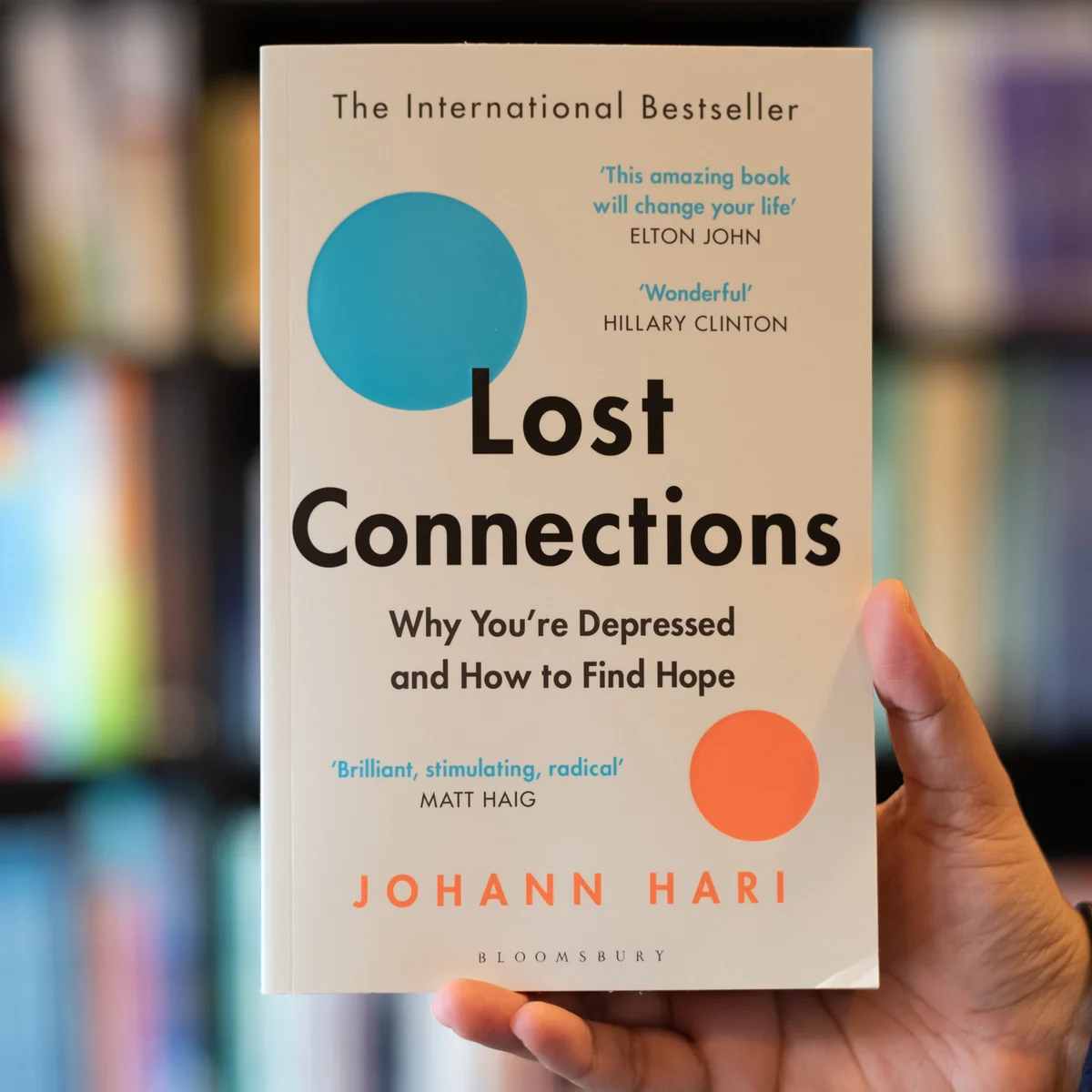
Johann Hari’s Lost Connections takes a broader view of depression and anxiety by asking whether emotional suffering should always be understood purely as an individual psychological problem, and the book explores social and environmental factors that can contribute to distress, including disconnection, loneliness, work and a lack of meaningful relationships.
Johann Hari approached the subject through extensive interviews with researchers and other experts during a reported 40,000-mile journey, using those conversations to explore different explanations for depression and anxiety and the possible social conditions that influence them.
This makes Lost Connections particularly interesting for readers who have begun asking a deeper question about their own wellbeing, namely whether the problem is always something inside them or whether their environment, relationships, work, community and sense of purpose might also deserve examination.
That question feels particularly relevant in modern cities, where it is entirely possible to have hundreds of social-media connections while feeling profoundly disconnected from the people physically around you.
The book should also be approached thoughtfully rather than treated as the final word on depression, because Hari’s arguments have attracted debate and criticism, but that does not make the central question unworthy of consideration, because understanding mental health sometimes requires us to look beyond the individual and ask what kind of environments people are being asked to survive in.
Why SFI.COZA recommends it: It expands the conversation from “What is wrong with me?” to “What is happening around me?”, which can be an important shift in perspective. readers interested in the social causes of depression, loneliness, and disconnection.
8 Mental Health Books to Read When You Want to Understand Yourself Better Share on X7. The Body Keeps the Score — Bessel van der Kolk, M.D.
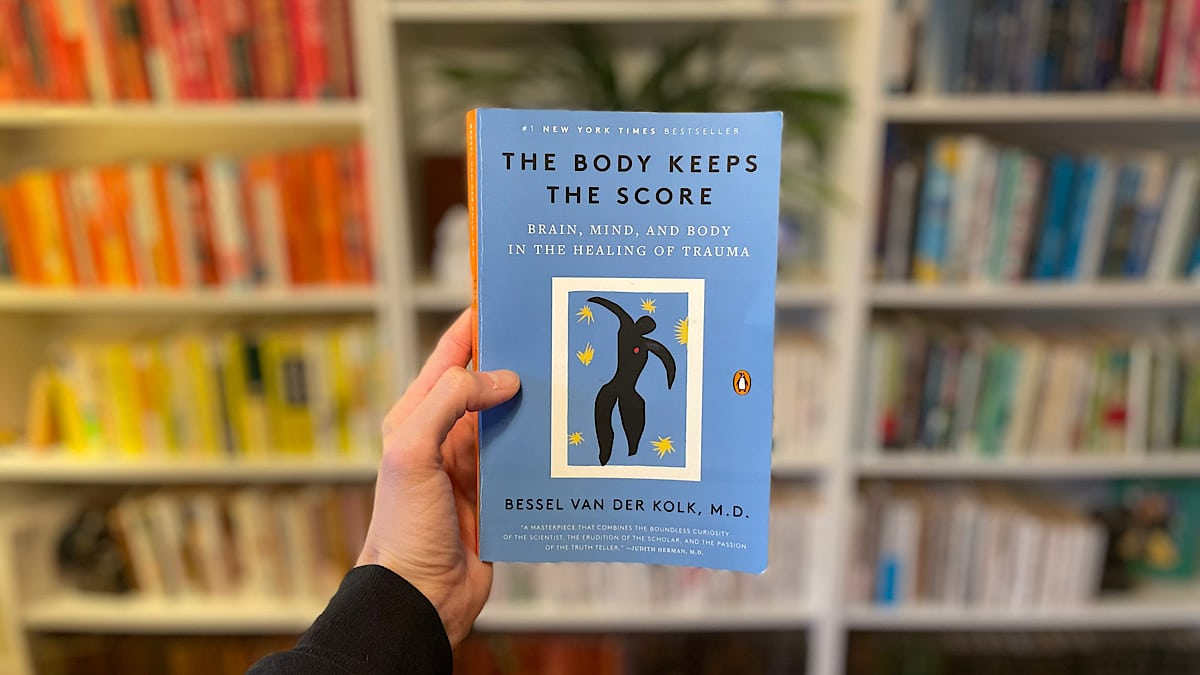
Trauma can be difficult to understand because the experience may have happened years ago while its effects can continue appearing in the body, relationships and emotional responses long after the original event, which is the central territory explored by psychiatrist and researcher Bessel van der Kolk in The Body Keeps the Score.
Bessel van der Kolk’s background includes founding and directing the Trauma Center in Brookline, Massachusetts, teaching psychiatry at Boston University School of Medicine and working within the field of complex trauma, giving the book a strong clinical and research-oriented foundation.
The book explores the relationship between trauma, the brain, the body and psychological wellbeing, and it has become widely read because it offers language for experiences that many people struggle to explain, particularly when emotional responses seem disproportionate to what is happening in the present.
It is worth approaching this book with some care, however, because it is more detailed and clinically oriented than several of the other books on this list, and some of its claims and treatment discussions have been debated by researchers and clinicians, meaning readers should treat it as an important perspective on trauma rather than a universal explanation for every psychological or physical symptom.
For someone who has experienced significant trauma, grief or prolonged stress, this can be a powerful book, but it is also one where professional support should remain part of the conversation, particularly when reading about traumatic experiences brings intense emotional reactions to the surface.
Why SFI.COZA recommends it: For readers wanting a deeper understanding of trauma and its relationship with the body, because it encourages readers to understand that psychological pain can be complex, embodied, and worthy of serious attention.
8 Mental Health Books to Read When You Want to Understand Yourself Better Share on X8. Reasons to Stay Alive — Matt Haig
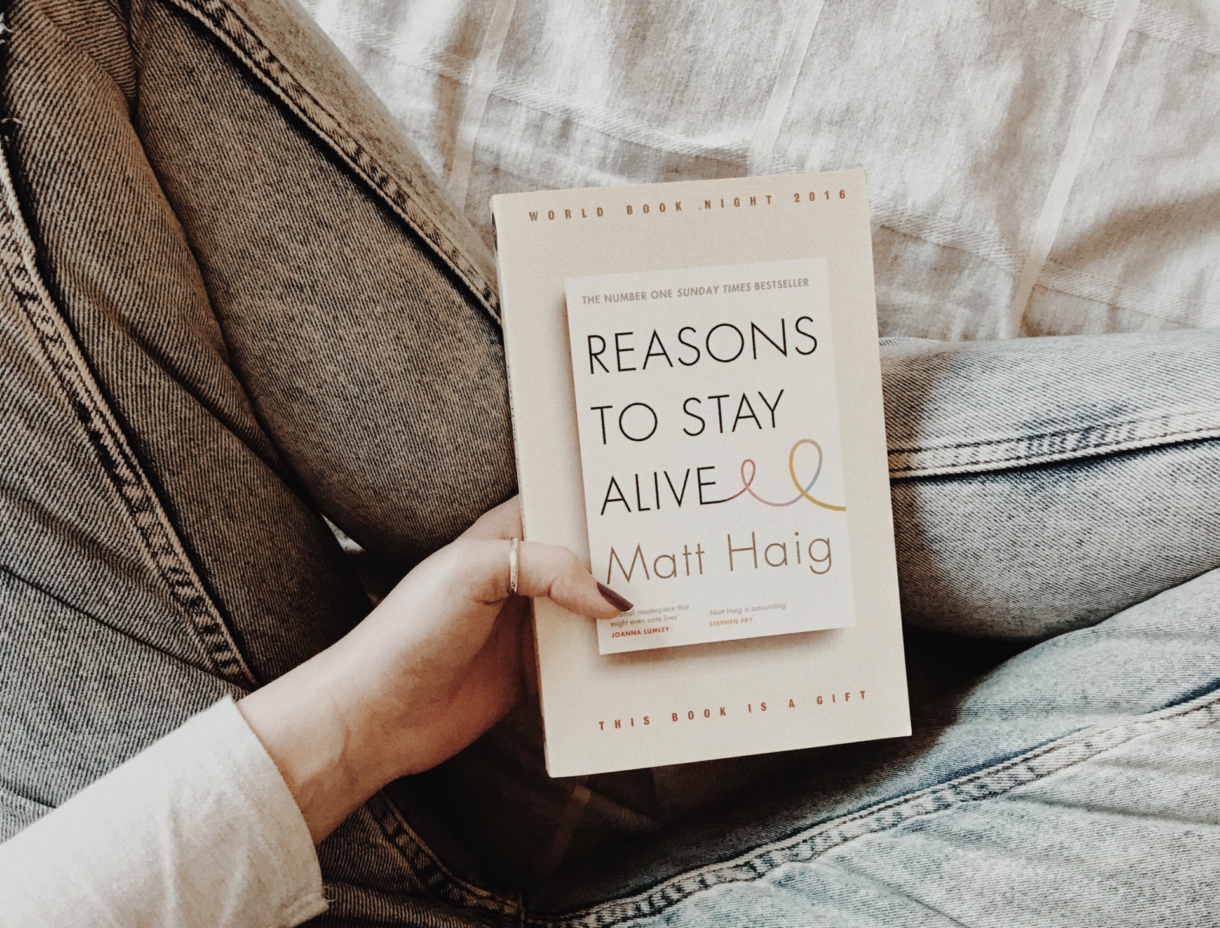
Some books about mental health teach you through psychological frameworks, while others reach you through the raw honesty of lived experience, and Matt Haig’s Reasons to Stay Alive belongs firmly in the second category because it grew from his experience of severe depression and a period in which he struggled to see a reason to continue living.
Matt Haig writes about his crisis with remarkable directness while also reflecting on recovery, time, relationships, ordinary pleasures and the strange ways perspective can change when someone moves from the darkest part of an experience toward a life they once could not imagine returning to.
The book’s strength is its humanity rather than its attempt to present a neat psychological formula, because sometimes what a person needs is not another list of things they are supposedly doing wrong but the reminder that their present emotional state does not necessarily represent their entire future.
For readers who have experienced depression themselves, or for people trying to understand what depression can feel like from the inside, Haig’s memoir can create a sense of recognition that clinical language sometimes cannot.
It is also important to say clearly that a book cannot replace professional mental-health support, and anyone experiencing thoughts of self-harm or suicide should seek immediate support from a qualified mental-health professional, emergency service or trusted person rather than relying on reading alone.
Why SFI.COZA recommends it: Because sometimes hope becomes believable when someone who has been somewhere dark enough to understand it tells you that darkness is not necessarily the final chapter, readers are looking for a deeply personal account of depression, recovery, and hope.
8 Mental Health Books to Read When You Want to Understand Yourself Better Share on XWhich Mental Health Book Should You Read First?
The best book for you depends less on what is currently popular and more on what you are trying to understand about yourself, because reading The Body Keeps the Score when what you actually need is help setting boundaries, for example, may leave you feeling overwhelmed rather than supported.
| If you want to understand… | Start with… |
|---|---|
| Everyday mental-health challenges | Why Has Nobody Told Me This Before? |
| Therapy and emotional patterns | Maybe You Should Talk to Someone |
| Anxiety, difficult thoughts and values | The Happiness Trap |
| Boundaries and people-pleasing | Set Boundaries, Find Peace |
| Negative thinking and self-esteem | Feeling Good |
| Loneliness and social connection | Lost Connections |
| Trauma | The Body Keeps the Score |
| Depression and hope | Reasons to Stay Alive |
How to Read Mental Health Books Without Turning Them Into Another Chore
The irony of self-improvement culture is that we can become so obsessed with becoming better versions of ourselves that self-improvement itself becomes another source of pressure, which is why these books are probably more useful when treated as invitations to reflect rather than examinations you are expected to pass.
Read slowly enough to notice yourself
You do not need to finish a mental-health book in three days, because one paragraph that makes you rethink a relationship, recognise a destructive thought pattern or finally understand something you have been carrying for years can be more valuable than finishing 400 pages without absorbing anything.
Write down what feels uncomfortably familiar
When a sentence makes you think, “That is exactly what I do,” do not rush past it, because those moments can become useful starting points for journalling, conversations or therapy.
Do not diagnose yourself from a book
A book can introduce you to concepts such as anxiety, depression, trauma, attachment or cognitive distortions, but recognising yourself in a description does not automatically mean you have a clinical condition, which is why diagnosis should be left to appropriately qualified professionals.
Talk about what you are reading
One of the most useful things about mental-health literature is that it can give people a vocabulary for conversations that previously felt impossible, whether that conversation happens with a partner, friend, family member, counsellor, psychologist or doctor.
8 Mental Health Books to Read When You Want to Understand Yourself Better Share on XA Note From SFI.COZA
These books are intended for education, reflection and personal growth, and they should not be treated as substitutes for professional diagnosis, therapy, medical care or crisis support, particularly when someone is experiencing severe depression, trauma, suicidal thoughts or significant changes in their ability to function.
Editorial methodology: SFI.COZA selected these titles based on the professional background of their authors, the psychological or lived-experience perspectives represented, and the practical usefulness of the books and their relevance to contemporary conversations about emotional well-being, while consulting publisher information and published interviews with authors including Lori Gottlieb and Nedra Glover Tawwab rather than relying solely on popularity or social-media recommendations.


We at SFI.COZA think that stories have the ability to educate, uplift, and unite people. As a sociable and committed editor, we work hard to provide rich media coverage that connects with our audience. Our ambition to positively touch our audience's lives, one article at a time, is equal to our enthusiasm for storytelling. Come along on this adventure with us as we explore the planet.






Leave a Reply