

You might want to skip this piece.
Not because it’s offensive or sensational, but because it refuses to do the polite thing, it doesn’t flatter your politics, it doesn’t hand you a villain you can comfortably boo, and it doesn’t wrap itself up with a reassuring moral by the final paragraph, which is exactly why, at SFI.COZA, this is the kind of conversation we hesitate to introduce and then inevitably do, knowing full well that the people most certain they already understand South African boys and men are often the ones least interested in sitting with what follows.
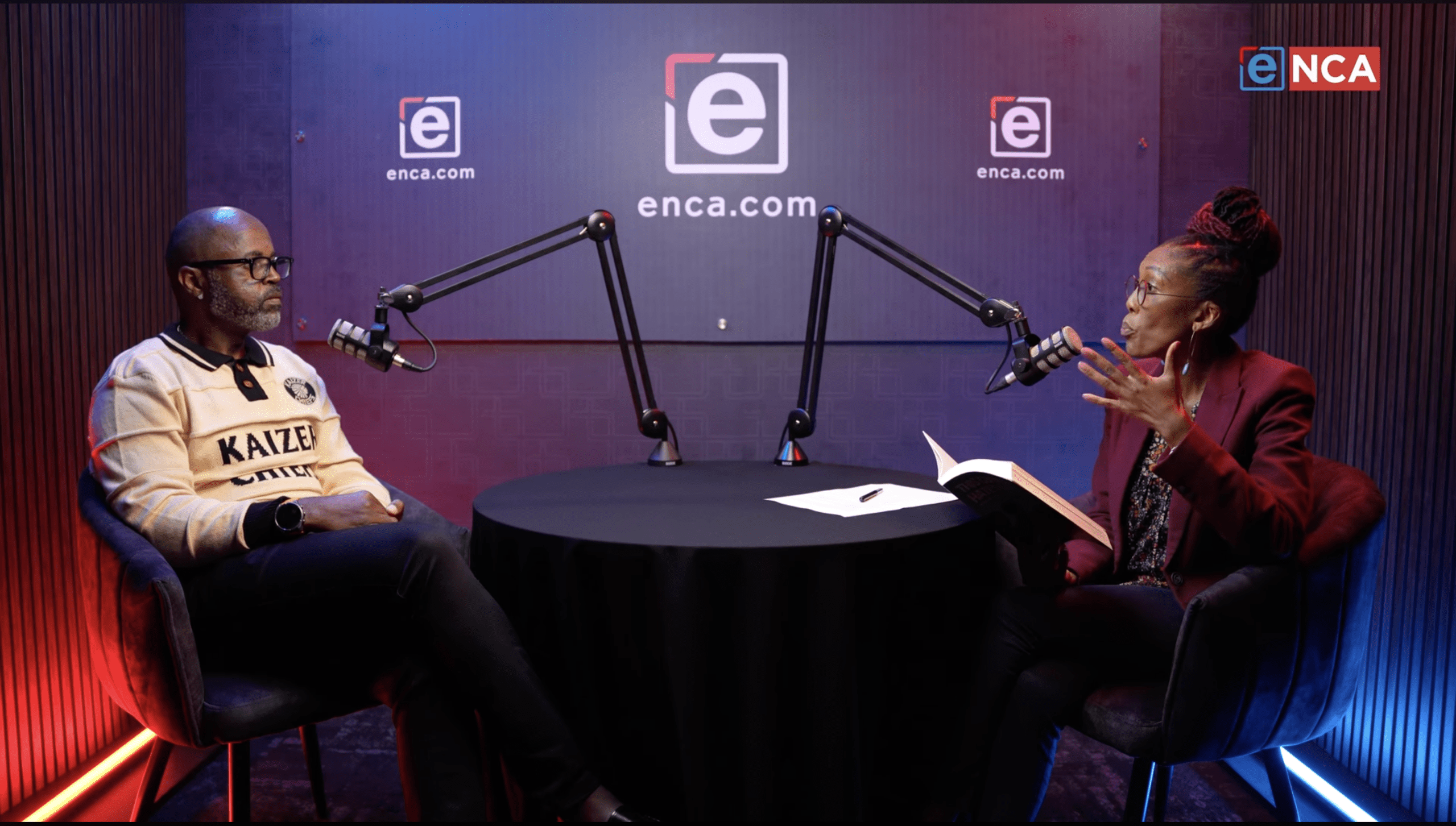
This article takes its cue from a recent Checkpoint podcast episode hosted by Nkepile Mabuse, featuring author and academic Dr. Mzamo Masito, whose book This Country Hates Our Boys has ignited something both overdue and volatile: a national argument about masculinity, fatherlessness, gender equality, and whether South Africa can confront violence, crime, and social breakdown without honestly addressing what is happening to its boys.
Not to reassure. Not to persuade. But to ask better questions and to sit with the answers longer than is comfortable.
Do We Actually Care About Boys, or Only About What They Become?
Let’s start with the question that keeps resurfacing, no matter how carefully we try to phrase it: are South African boys being left behind, and if so, who is responsible for noticing before the consequences arrive?
Dr. Masito’s argument, echoed powerfully by the flood of YouTube comments beneath the episode, is not that women’s empowerment has gone too far, nor that gender equality should be reversed, but that South Africa has quietly accepted male failure as inevitable, even humorous, even deserved, while treating male pain as either suspicious or irrelevant.
One commenter writes about being raised by a single father who cooked, cleaned, parented cousins, and built a home defined by safety rather than fear, a reminder that fatherhood, when present, is not theoretical or symbolic but deeply practical, embodied, and stabilizing.
Another invokes Frankenstein’s monster — “you deny me love, I will indulge in rage” — a line that lands uncomfortably well in a country where men dominate both crime statistics and victim lists, where violence is framed as a gendered moral failure rather than a collective social emergency.
Let’s Argue Honestly: Is Gender Equality a Zero-Sum Game?
Here is where the conversation sharpens and where many people instinctively flinch: can South Africa pursue gender justice while simultaneously confronting male decline, or have we convinced ourselves that compassion only travels in one direction?
Masito challenges the assumption that caring about boys automatically undermines women, arguing instead that a society unable to raise emotionally regulated, economically included, socially anchored men is not protecting women; it is placing them in proximity to instability, resentment, and unresolved trauma.
This is not semantics. It is a structure.
Research across criminology, psychology, and sociology consistently shows that childhood trauma, absent fathers, disrupted schooling, and economic exclusion correlate strongly with later violent behavior, not as excuses, but as warning signs, yet public discourse remains far more comfortable condemning outcomes than interrogating origins.
Why Are Men Both the Villains and the Victims?
One of the most uncomfortable truths raised in the episode and echoed repeatedly in the comments, is that men dominate South Africa’s violent crime statistics on both sides of the equation.
Men are the primary perpetrators. Men are also the primary victims.
This contradiction forces a harder question: what happens when a society normalizes male disposability while simultaneously fearing male aggression?
Violence, Masito argues, should not be segmented into neat moral categories, femicide here, crime there, but understood as a national condition that consumes men, women, and children differently but relentlessly.
To discuss masculinity without discussing violence is dishonest. To discuss violence without discussing masculinity is incomplete.
Fatherlessness Is Not a Metaphor: It Is a Daily Reality
South Africa’s father absence rate is among the highest globally, and yet the conversation around fatherhood remains curiously abstract, often reduced to blame rather than repair.
What the episode and its audience powerfully surface is the role of social fathers: coaches, teachers, uncles, neighbors, taxi drivers, church elders, and men who stepped in without legal obligation but with moral clarity.
One commenter describes being raised not by one man but by a network of football coaches, male teachers, and community figures, a reminder that masculinity, when healthy, has always been collective rather than solitary.
This is not nostalgia. It is social infrastructure.
Education, Exclusion, and the Quiet Collapse of Male Aspiration
Another thread running through the discussion is education, not access alone, but cultural permission.
Several commenters note how academic excellence among boys is mocked, feminized, or racialized, while self-destruction is romanticized as authenticity.
When intellectual ambition is framed as betrayal and emotional literacy is framed as weakness, we should not be surprised by the outcomes.
Ignoring boys’ educational failure today does not produce equality tomorrow, it produces resentment, instability, and a deeper gender divide.
This Conversation Will Make People Angry: That’s the Point
Masito is clear: this work is not designed to soothe.
It is designed to provoke disagreement, discomfort, and sustained thought, the kind that survives beyond the comment section. Some accuse him of deflection. Others accuse him of bravery. Both responses reveal something important: South Africa is not short on opinions, but it is short on spaces where complexity is allowed to breathe.
Why This Matters Now: Not Later
The boys we dismiss today become the men we fear tomorrow. That is not a threat. It is a pattern. A society that refuses to invest emotionally, educationally, and structurally in its boys does not become safer, it becomes brittle, anxious, and perpetually reactive. Gender justice does not require silence about male suffering. It requires maturity about its consequences.
Can we say, without flinching, that women deserve safety, dignity, and opportunity and that boys deserve care, guidance, and belief? Can we resist the urge to choose sides and instead choose responsibility?
That question, more than any statistic or slogan, will shape the South Africa we are becoming. If this piece unsettled you, share it. If it angered you, argue with it. If it reflected something you recognise, talk about it.
Silence has never raised a generation.
This article is informed by the Checkpoint podcast conversation between Nkepile Mabuse and Dr. Mzamo Masito and by the lived experiences shared by South Africans responding publicly to that discussion.
3 responses to “This Country Hates Our Boys: Masculinity, Fatherlessness, and the Question South Africa Avoids”


We at SFI.COZA think that stories have the ability to educate, uplift, and unite people. As a sociable and committed editor, we work hard to provide rich media coverage that connects with our audience. Our ambition to positively touch our audience's lives, one article at a time, is equal to our enthusiasm for storytelling. Come along on this adventure with us as we explore the planet.






Leave a Reply