


There are very few things capable of stopping a South African mid-scroll these days. A Springbok victory? Absolutely. A viral taxi video? Without question. A celebrity breakup? Maybe. But tell someone they can buy a loaf of bread for 99 cents, and suddenly everybody becomes an economist, a grocery expert, and a financial planner, all before breakfast.
At SFI.COZA, we love stories that seem ordinary on the surface but quietly reveal something much bigger underneath. A loaf of bread isn’t exactly luxury fashion or cutting-edge technology, yet it remains one of the most important items in almost every South African home. When the country’s biggest bank decides to make that loaf cost less than a rand, the conversation becomes far more interesting than simply saving a few coins.
It becomes a story about affordability. About dignity. About consumer behaviour. And perhaps most importantly, about how brands are beginning to understand that the quickest way into someone’s heart isn’t another flashy advertisement, it’s helping them save money on something they actually need. Sometimes the biggest innovations don’t arrive wrapped inside artificial intelligence.
99-Cent Bread at Boxer and Pick n Pay: How FNB eBucks Is Saving South Africans Share on XFrom 1 July, FNB eBucks expanded its successful bread rewards programme by partnering with Boxer, alongside its existing relationship with Pick n Pay.
The concept is refreshingly simple.
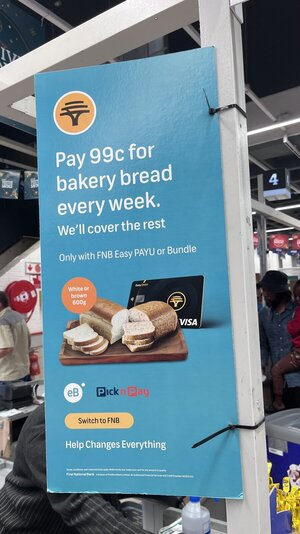
Eligible FNB Easy, Aspire, and Prime Life customers only need to purchase any item in-store at Boxer. From the following week, they qualify to buy up to four loaves of bread each month for just 99 cents each. No complicated points calculations. No confusing reward tiers. No mathematical equation that requires a finance degree.
Just swipe. Shop. Save. Sometimes simplicity really is revolutionary.
Why FNB Chose Boxer
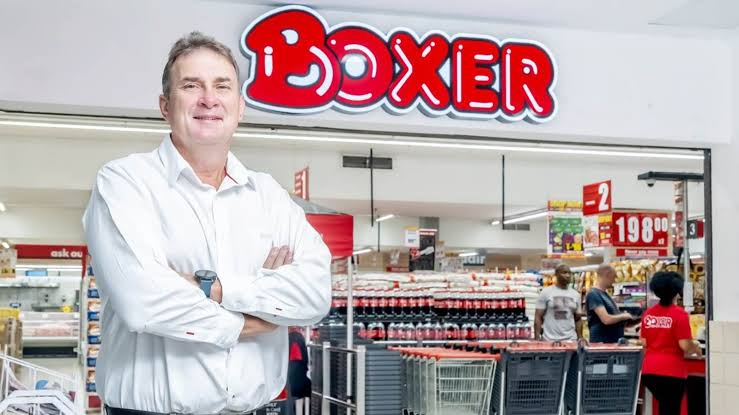
According to eBucks CEO Pieter Woodhatch, the expansion isn’t simply about adding another retailer. It’s about reaching more South Africans.
Boxer serves communities that traditional supermarkets don’t always reach as effectively, giving FNB access to entirely new customer segments while providing greater convenience for existing clients.
As Woodhatch explained, the goal is straightforward:
“We want to meet every client in the context they’re in and give them value.”
It’s a sentence that sounds deceptively simple. But behind it sits a growing trend in modern banking. Banks are no longer competing solely through interest rates. They’re competing through everyday experiences.
Can Bread Really Offset Banking Fees?

Surprisingly… Yes. According to FNB, every discounted loaf represents roughly R11 in value. Multiply that by four loaves each month, and customers receive around R44 worth of savings. For entry-level banking clients paying monthly account fees between R30 and R50, those savings can effectively offset a significant portion, or even all, of their banking costs.
That’s not marketing fluff. That’s practical household economics.
Why Loyalty Programmes Are Becoming Everyday Necessities
Not long ago, loyalty programmes felt like pleasant extras. Today, they’re becoming financial tools. Consumers increasingly expect their banks, supermarkets and retailers to work together in helping reduce everyday expenses.
The relationship has evolved. Instead of simply asking, “Where should I bank?” People now ask, “Which bank genuinely improves my daily life?” That’s a far more competitive question. This partnership also highlights something happening throughout South African retail. Competition is shifting away from individual stores and towards ecosystems.
Banks. Retailers. Rewards programmes. Digital payments. Online shopping. Delivery services. These experiences increasingly work together rather than independently. The brands succeeding today aren’t necessarily those offering the cheapest products. They’re creating the easiest customer journey.
And convenience has become its own currency.
If you’re already banking with FNB and qualify for the programme, there’s little reason not to use it. Saving money on essential groceries, even modest amounts, adds up over time, particularly as food inflation continues affecting household budgets.
For anyone considering switching banks, however, this benefit should be viewed as one factor among many, alongside fees, service quality, digital banking features, and overall financial needs. The bread is a welcome bonus, not the only reason to choose a bank.
At SFI.COZA, we believe the smartest businesses aren’t always those with the loudest advertising campaigns. They’re the ones paying close attention to everyday life, understanding that helping someone save R44 a month can mean far more than another glossy commercial ever could.
Because while a loaf of bread may cost only 99 cents through this programme, the trust it builds between a customer and a brand could prove priceless.
99-Cent Bread at Boxer and Pick n Pay: How FNB eBucks Is Saving South Africans Share on X

We at SFI.COZA think that stories have the ability to educate, uplift, and unite people. As a sociable and committed editor, we work hard to provide rich media coverage that connects with our audience. Our ambition to positively touch our audience's lives, one article at a time, is equal to our enthusiasm for storytelling. Come along on this adventure with us as we explore the planet.



Leave a Reply