


“Ya no” fashion is funny, neh? We laughed at our mothers for wearing beaded necklaces with everything. Now we’re buying the same beads at weekend markets, pairing them with tailored blazers, and calling it “African luxury”. Funny how the things we once overlooked suddenly become fashionable when the world starts paying attention. But here’s the thing: African adornments never needed a comeback.
They never left.
Howzit? Let's Talk African Adornment Share on XSomewhere between Amapiano’s influence on fashion and a generation obsessed with reclaiming identity, African adornments stopped being “traditional.” They simply became stylish again.

For years, many of us have treated African adornments like they belong in a separate wardrobe, only to be taken out for Heritage Day, weddings, traditional ceremonies or cultural celebrations. The rest of the year? We reach for “everyday fashion”, as though our culture and our daily lives exist in separate worlds. Western fashion dictated what counted as modern. Minimal gold jewellery was chic. Leather handbags were timeless. Silk scarves were elegant. Then a new generation decided otherwise.
Howzit? Let's Talk African Adornment Share on XAcross Africa and throughout the diaspora, a new generation is embracing African adornments as everyday essentials rather than occasional statements. Beaded necklaces are replacing minimalist chains, cowrie shells are appearing on handbags and jewellery, headwraps are styled with tailored blazers, and handcrafted accessories are becoming staples instead of special-occasion pieces.


But while it may feel like a trend, the truth is that African fashion has been setting the standard for decades.
Long before “African luxury” became a buzzword or global fashion houses started borrowing African-inspired aesthetics, Lebo Mathosa was already doing it effortlessly. She wasn’t afraid of bold beadwork, dramatic African-inspired silhouettes, textured fabrics or statement jewellery. She showed an entire generation that wearing African-inspired fashion wasn’t about looking traditional; it was about looking powerful.
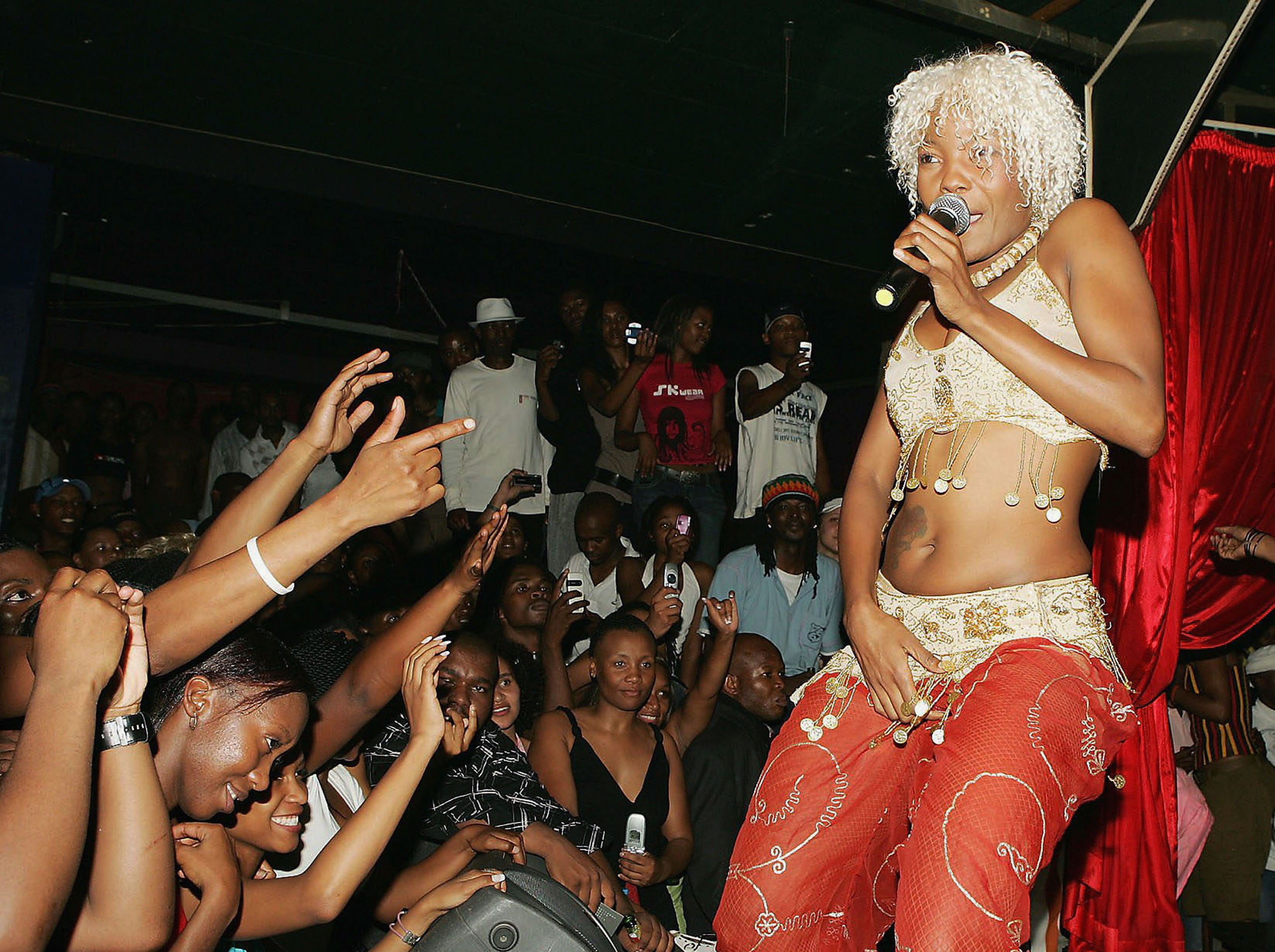
Today’s style icons are continuing that legacy in their own way. From Makhadzi’s vibrant Venda-inspired beadwork and Nomzamo Mbatha’s elegant celebration of African designers to Thuso Mbedu’s proudly African red-carpet moments, Bonang Matheba’s support of local luxury fashion, and Uncle Waffles’ effortless fusion of streetwear with African accessories, they’re proving that culture belongs everywhere, from magazine covers and award shows to coffee dates and airport fits.
Because culture was never meant to be worn once a year. Here are 7 African adornments proving exactly that.
Howzit? Let's Talk African Adornment Share on X1. Beaded Jewellery

If there is one accessory that has quietly stood the test of time, it’s beadwork. Across many African communities, beads have long represented identity, status, spirituality, love, and important milestones. Today, they have become one of the easiest ways to celebrate culture without changing your entire wardrobe.
A pair of beaded earrings can elevate a white shirt. A layered necklace can transform a simple black dress. A stack of bracelets can tell a story before you even introduce yourself.
Fashion trends come and go. Beadwork simply adapts.

2. Cowrie Shell Accessories

Before they became jewellery, cowrie shells were symbols of wealth and prosperity across parts of Africa. Today they’re appearing everywhere: necklaces, earrings, handbags, sandals, belts and even phone charms.
Their beauty lies in their versatility. They feel equally at home with linen, denim or an evening dress, proving that heritage doesn’t have to compete with modern fashion. It can complement it.
Howzit? Let's Talk African Adornment Share on X3. Headwraps

The headwrap has become much more than a practical hairstyle solution. Whether tied high, wrapped simply or styled into intricate shapes, headwraps have evolved into one of fashion’s boldest statements. They celebrate African textiles while allowing endless creativity and individuality. Perhaps that’s why they continue to resonate with so many women, they are giving functional, fashionable and deeply personal all at once.
Howzit? Let's Talk African Adornment Share on X4. Waist Beads Are Finally Being Seen

Unlike many accessories designed to be admired by others, waist beads often exist solely for the person wearing them. Across different African cultures, they’ve symbolised femininity, maturity, spirituality and rites of passage. Low-rise trousers, crop tops and beachwear have created opportunities for waist beads to become intentional styling elements rather than hidden adornments.
Today, many women also wear them for body awareness, self-confidence and personal expression. Not every piece of fashion needs an audience.
Sometimes the most meaningful adornments are the ones no one else sees.
Howzit? Let's Talk African Adornment Share on X5. Statement Brass Jewellery

Minimalist outfits have one secret weapon: bold accessories. African brass cuffs, metal bangles and oversized earrings have become favourites for people looking to make an outfit feel intentional without overcomplicating it. Historically associated with craftsmanship, prestige and beauty, these timeless pieces remind us that sometimes one accessory speaks louder than an entire outfit. Across the continent, bold brass jewellery is finding new life because it communicates something increasingly valuable in fashion: personality. Truth of the matter is, you don’t forget someone wearing a magnificent brass cuff.
Howzit? Let's Talk African Adornment Share on X6. African Print Bags

African prints are no longer confined to dresses and matching sets. Handbags, tote bags, laptop sleeves and crossbody bags crafted from Ankara, Shweshwe, Kitenge and Mud Cloth fabrics have become everyday staples.
They’re practical enough for work and stylish enough for brunch, making them one of the easiest ways to carry culture wherever life takes you.
Howzit? Let's Talk African Adornment Share on X7. Handmade Leather Sandals

African craftsmanship doesn’t stop at jewellery. Handcrafted leather sandals continue to gain popularity for their quality, comfort and timeless appeal. They pair effortlessly with tailored trousers, flowing dresses and casual denim while supporting artisans whose skills have been passed down through generations.
They’re a reminder that luxury isn’t always found in designer labels. Sometimes it’s found in craftsmanship.
Howzit? Let's Talk African Adornment Share on X8. Zulu Beadwork Is Crossing Borders

If you grew up around ugogo (Grandma in IsiZulu), chances are you’ve seen ucu, colourful beaded necklaces, bracelets carefully made by hand, each bead carrying a message. In Zulu culture, beadwork has long been more than decoration, it’s a language of love, identity and belonging. Different colours and patterns have traditionally been used to communicate emotions, relationship status and even family ties.
Today, whether you’re wearing a beaded choker with a blazer or stacking handmade bracelets with your everyday fit, one thing remains true: ubuhlalu abupheli esitayeleni (beadwork never goes out of style). Yazi, there’s just something about wearing a piece that reminds you of home.
Howzit? Let's Talk African Adornment Share on XThe growing popularity of African adornments isn’t simply about fashion. It’s about reclaiming identity. It’s about recognising that African craftsmanship deserves space beyond cultural celebrations. It’s about understanding that beadwork, headwraps, cowrie shells and handcrafted accessories aren’t costumes to be dusted off every September. They are living expressions of history, artistry and belonging.
Perhaps that’s why this movement feels different. Young Africans are no longer asking whether culture belongs in contemporary fashion. They’re wearing the answer.
So maybe the question isn’t whether African adornments are becoming everyday fashion. Maybe it’s this: Why did we ever stop wearing them in the first place?


Oratile is a journalist and fashion stylist with a passion for storytelling that seamlessly blends words with wardrobe. With a strong background in content creation and fashion media, she curates narratives both on the page and through personal style—believing that how we dress is another form of powerful communication.
Her work explores the intersections of identity, fashion, and culture. Whether she’s crafting compelling articles or styling editorials, her eye for detail and love for color, texture, and elegance shine through.
Her hobbies include reading feminist literature, collecting antique pieces, being a runway fashion critic, reading, sewing, and creating mood boards that spark inspiration.
Fun fact: She’s probably styling an entire outfit in her head while interviewing you.





Leave a Reply