


There are albums that entertain you, albums that soundtrack a particular season of your life, and then there are albums that quietly rearrange your understanding of what music can accomplish, which is why compiling a list of 10 records worth hearing at least once feels less like making a playlist and more like attempting to explain why certain pieces of recorded music refuse to become ordinary even after decades of cultural change, shifting technology, new genres, and younger artists arriving with their own ideas about what a song should sound like.
10 Albums Everyone Should Hear at Least Once Share on XAt SFI.COZA, we have never been particularly interested in treating music as background decoration, because a great album can carry history, politics, fashion, heartbreak, rebellion, identity, ambition, spirituality, loneliness, joy and an entire generation’s peculiar sense of itself, and while lists of the greatest albums ever made have been debated by publications such as NME and Pitchfork for years, the more interesting question for a listener is not necessarily which record deserves the number one position, but which albums teach us something about listening itself.
That distinction matters because the modern listener has access to an absurd amount of music, which sounds wonderful until you open a streaming service, see several million possibilities, and suddenly realise that abundance has created its own form of indecision, so this list is deliberately personal rather than pretending that music can be reduced to mathematics, with each album chosen because it changed the language of popular music, influenced generations of musicians, captured a particular cultural moment, or simply demonstrated what happens when artists take their craft seriously.
10 Albums Everyone Should Hear at Least Once Share on X1. Marvin Gaye — What’s Going On
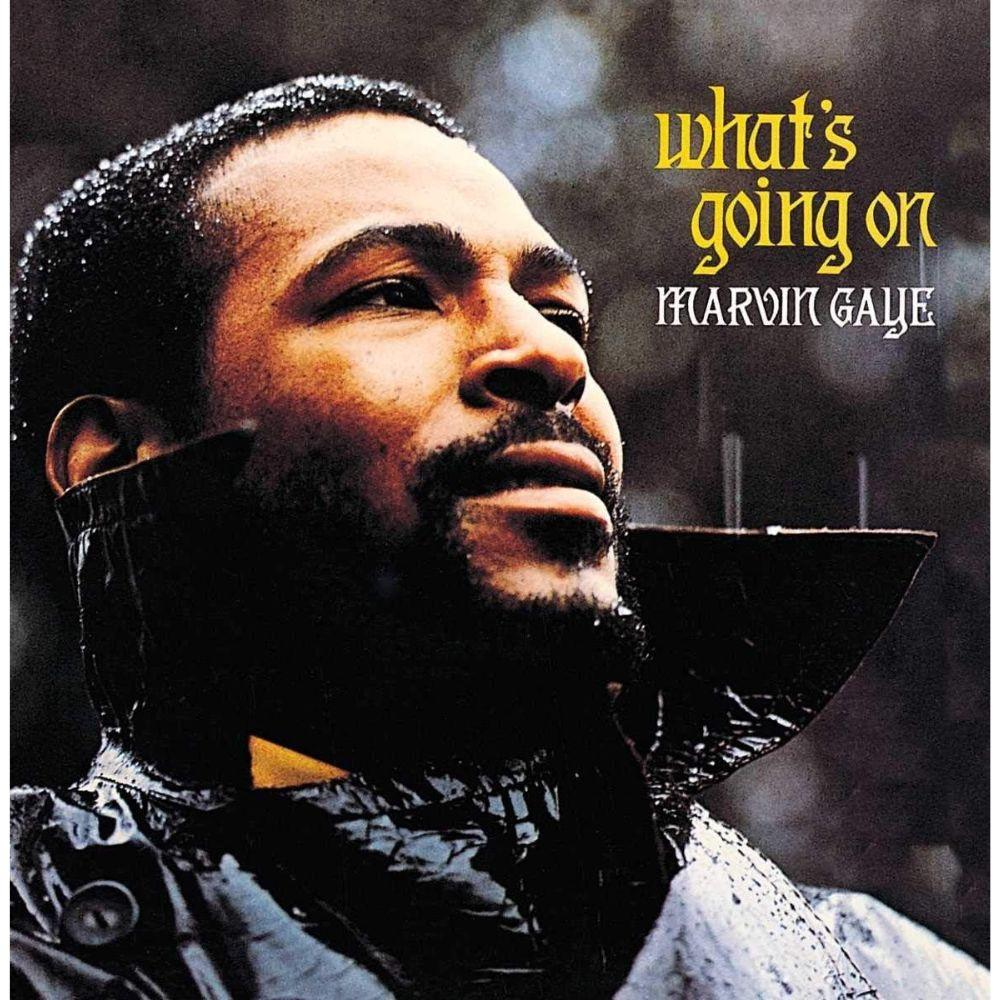

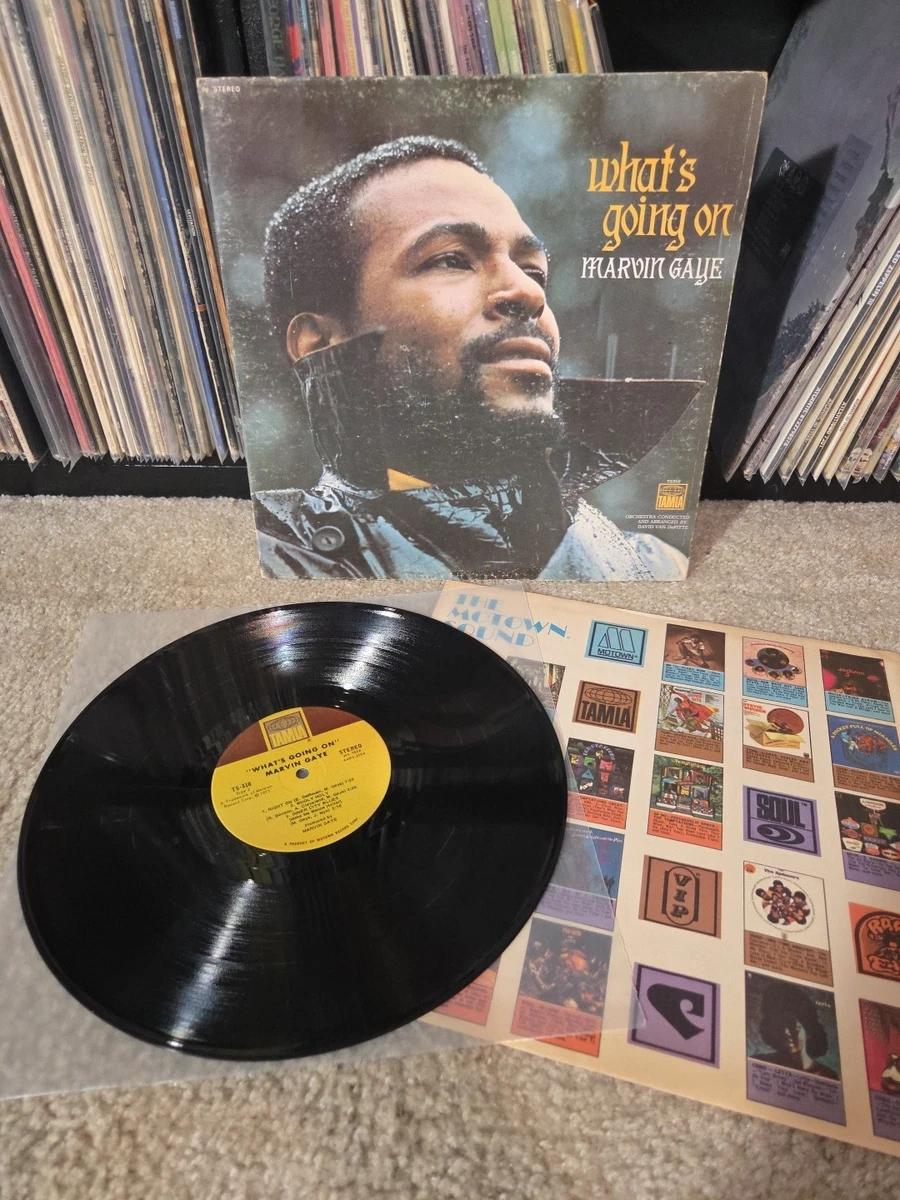
There are few opening tracks in popular music as immediately disarming as Marvin Gaye’s What’s Going On, because the album begins with an invitation rather than an instruction, and what follows is a remarkably sophisticated conversation about war, poverty, environmental anxiety, spirituality and human connection that never loses its musical elegance, which is precisely why the record continues to feel relevant without needing to announce its relevance every five minutes.
Released in 1971, the album emerged during a period of extraordinary political and social tension in the United States, yet Marvin Gaye did not respond by making a conventional protest record filled with theatrical gestures, instead he created something warmer and more complicated, allowing soul, jazz, gospel and orchestral arrangements to carry ideas that could easily have become heavy-handed in less capable hands.
What I admire most about What’s Going On is the tension between beauty and discomfort, because Marvin Gaye gives us music that sounds almost serene while asking us to sit with subjects that remain deeply uncomfortable, and that is a useful lesson for contemporary artists who sometimes believe that serious subjects require serious faces, when Marvin Gaye understood that elegance can make difficult ideas easier to enter.
Umthimbane – Creative Director for SFI.COZA
2. Joni Mitchell — Blue
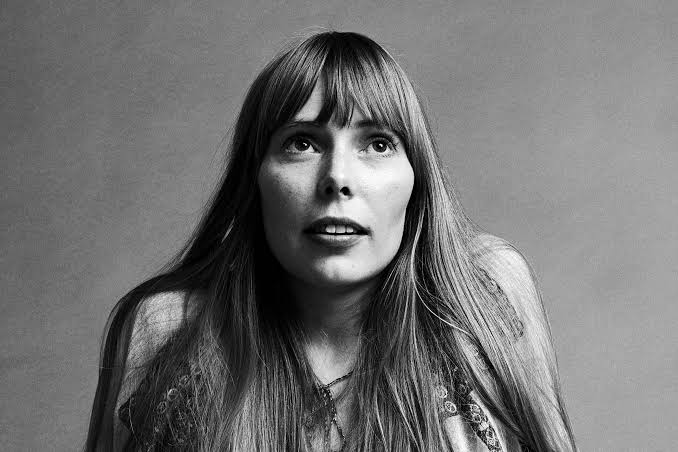


Joni Mitchell’s Blue is the record I would recommend to anyone who thinks songwriting begins with finding a clever sentence and ends with making it rhyme, because Mitchell demonstrates that songwriting can function as psychological observation, with each song revealing another small piece of emotional information without turning vulnerability into performance.
The remarkable thing about Blue is its intimacy, because Mitchell does not hide behind elaborate production or excessive instrumentation, and the result feels almost uncomfortably close, particularly when she sings about relationships, independence, travel and uncertainty with the sort of precision that makes you realise how much emotional detail most songs leave conveniently unexplored.
There is also something deeply modern about the album’s refusal to present the narrator as perfectly composed, because Mitchell allows contradiction into the writing, which means that desire, freedom, sadness and regret can occupy the same room without one cancelling the other.
NME included Blue among the albums selected by its staff in its long-running greatest-albums discussions, and that recognition makes sense because its influence extends far beyond folk and singer-songwriter music into the broader language of contemporary confessional songwriting.
Listen for: A Case of You, River, and the astonishing emotional economy of the writing.
10 Albums Everyone Should Hear at Least Once Share on X3. Stevie Wonder — Songs in the Key of Life
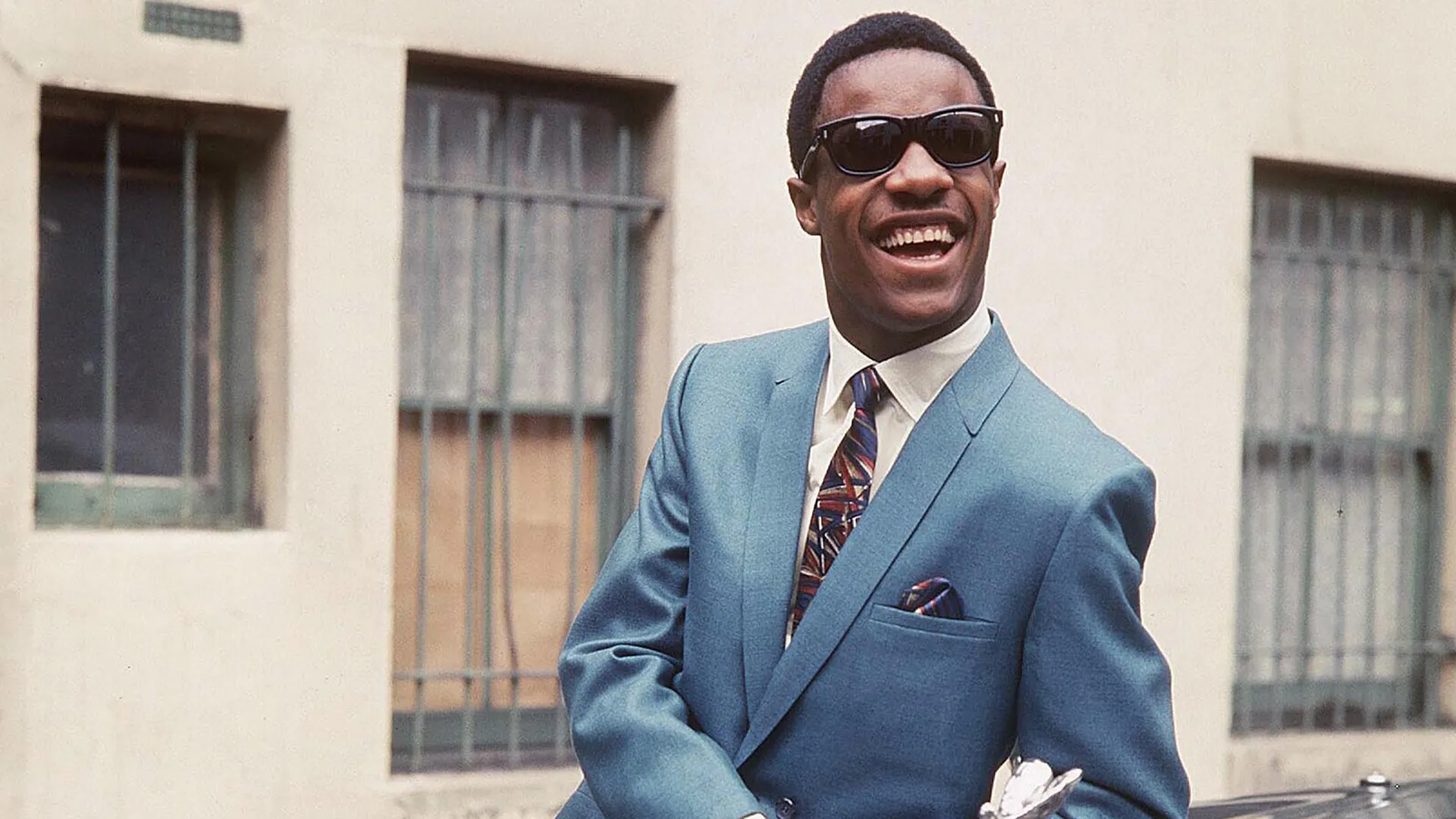


Stevie Wonder’s Songs in the Key of Life is the kind of album that makes modern production meetings seem slightly embarrassing because it contains ambition, musicianship, political observation, romance, humour, family, spirituality and social commentary without sounding as though somebody assembled a committee to make sure every demographic received representation.
Released in 1976, the album moves confidently between soul, funk, jazz, pop and gospel, while Wonder demonstrates a remarkable understanding of arrangement and melody, and the sheer range of the project explains why it remains an essential reference point for musicians who want to understand how sophisticated popular music can become without losing its emotional accessibility.
The album also reminds us that technical ability means very little without curiosity, because Wonder was not interested merely in demonstrating that he could sing, compose and play, but in exploring how different musical traditions could coexist within one ambitious work.
For anyone studying modern African pop, R&B, jazz, gospel or contemporary production, this is particularly useful listening because so much of the music that feels natural today owes something to the musical vocabulary artists such as Stevei Wonder helped establish.
Listen for: Sir Duke, As, Pastime Paradise, and the extraordinary transitions between musical worlds.
10 Albums Everyone Should Hear at Least Once Share on X4. Radiohead — OK Computer
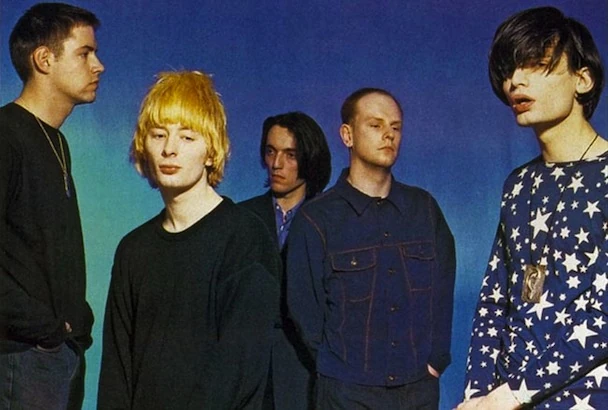
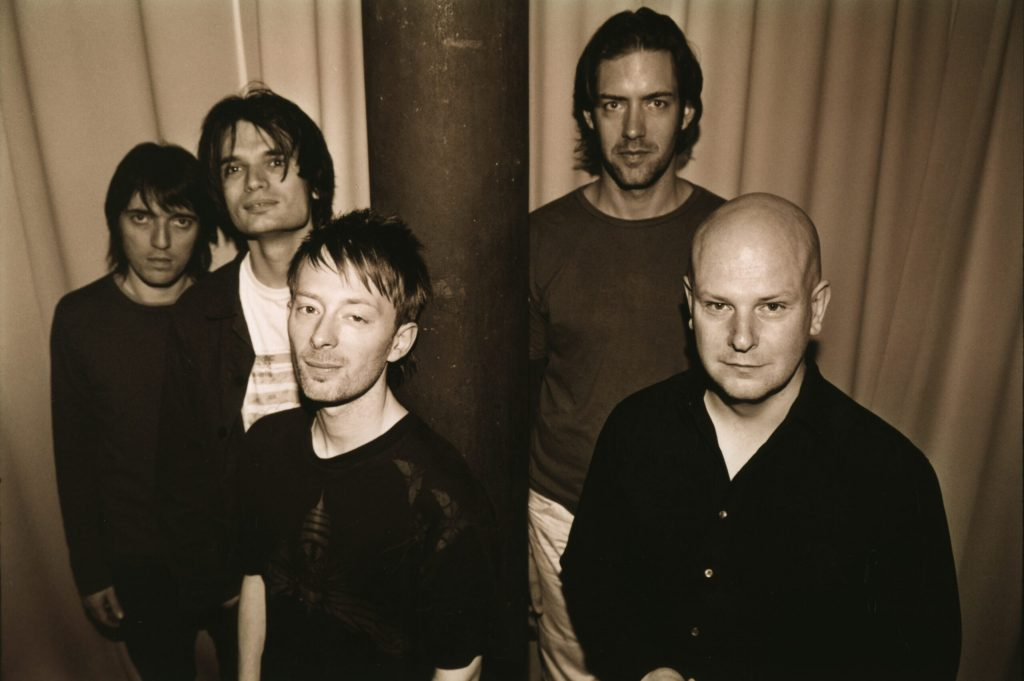
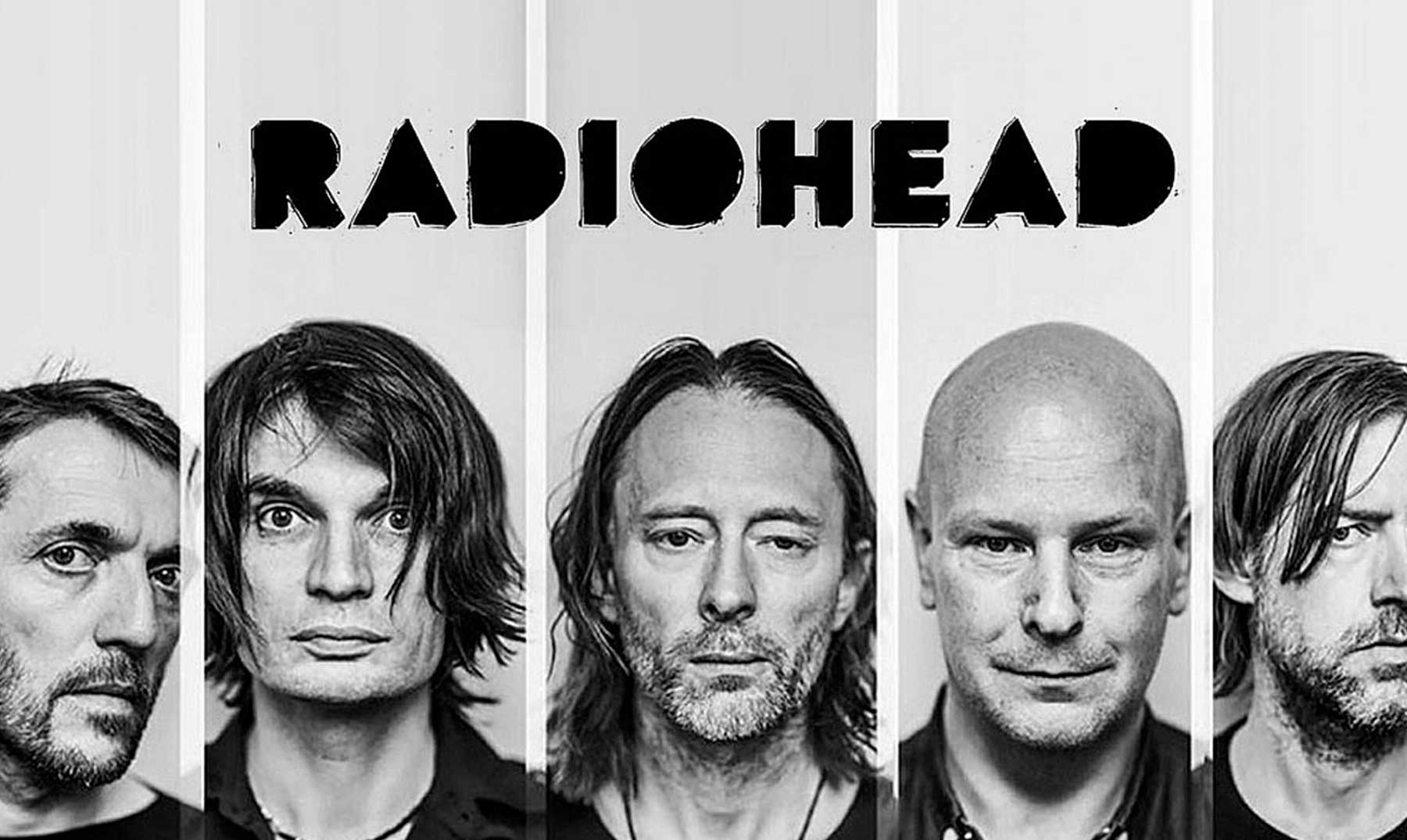
Radiohead’s OK Computer deserves its place here because it understood something about modern life before many of us had even acquired the vocabulary to describe it, particularly the uneasy relationship between technology, work, consumer culture, alienation and the desire to remain human inside systems designed around efficiency.
What makes the album extraordinary is that it does not simply sound futuristic, because the guitars, piano, drums and Thom Yorke’s voice retain enough vulnerability to prevent the record from becoming a sterile exercise in technological anxiety, while the production gives the music an atmosphere that still feels unsettling decades after its release.
NME’s historical album rankings have repeatedly placed Radiohead among the defining artists of modern rock, with OK Computer appearing prominently in its greatest-albums discussions.
The record is also a lesson in refusing obvious commercial logic, because Radiohead understood that a successful artist does not need to repeat the previous success indefinitely, and that principle has become increasingly relevant in an era when algorithms can encourage musicians to reproduce whatever performed well last Tuesday.
Listen for: Paranoid Android, No Surprises, and Karma Police.
5. Lauryn Hill — The Miseducation of Lauryn Hill

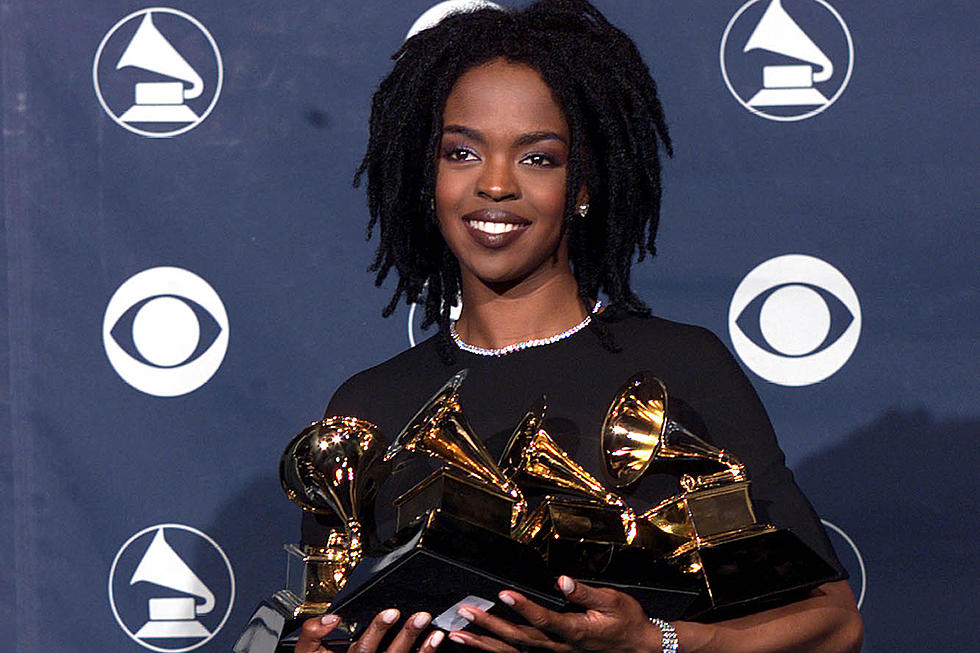

If there is one album on this list that demonstrates how naturally hip-hop, soul, reggae and R&B can occupy the same artistic universe, it is The Miseducation of Lauryn Hill, which remains remarkable because Lauryn Hill manages to discuss love, motherhood, identity, faith, fame, betrayal and self-respect while maintaining a musical confidence that never feels accidental.
The album arrived in 1998 and immediately established Lauryn Hill as an artist capable of existing beyond the expectations attached to her previous work with the Fugees, which is important because The Miseducation does not feel like an attempt to escape a group identity so much as an attempt to construct a larger artistic identity.
There is also something particularly valuable in Lauryn Hill’s treatment of relationships, because she does not reduce heartbreak to simple villain and victim storytelling, instead allowing emotional responsibility to become part of the narrative, which is an approach that makes the album feel surprisingly mature even now.
For younger African artists, the record offers another lesson that has nothing to do with genre, namely that cultural identity becomes more powerful when it appears naturally inside the work rather than being pasted onto it as branding.
Listen for: Doo Wop (That Thing), Ex-Factor, and To Zion.
10 Albums Everyone Should Hear at Least Once Share on X6. Nas — Illmatic


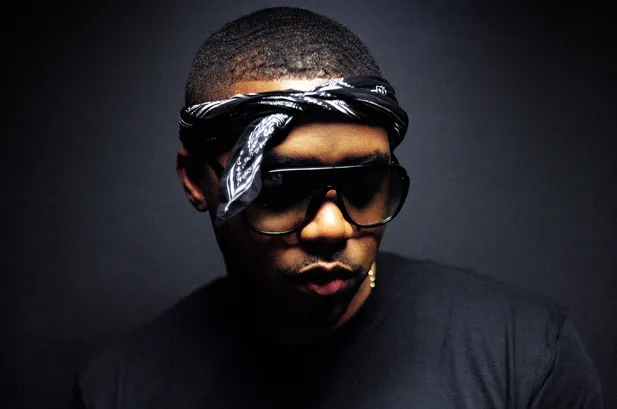
Illmatic is one of those records that teaches you why technical writing matters, particularly when the technical skill serves observation rather than ego, because Nas takes the details of Queensbridge life and turns them into vivid social documentation without pretending that the environment contains only tragedy or only glamour.
Released in 1994, the album became a reference point for hip-hop because of its concise structure, lyrical density and production, but its lasting importance extends beyond rap because Nas demonstrates how an artist can transform local experience into something that communicates across geography.
The album also deserves attention from anyone interested in African storytelling because the fundamental principle is familiar, namely that specificity can create universality, and the more accurately an artist observes the world immediately around them, the more convincingly that world can travel.
NME staff selections have repeatedly placed Illmatic among their personal essential albums, which tells us something about its reach beyond conventional hip-hop criticism.
Listen for: N.Y. State of Mind, The World Is Yours, and the extraordinary opening sequence.
10 Albums Everyone Should Hear at Least Once Share on X7. Fela Kuti — Zombie

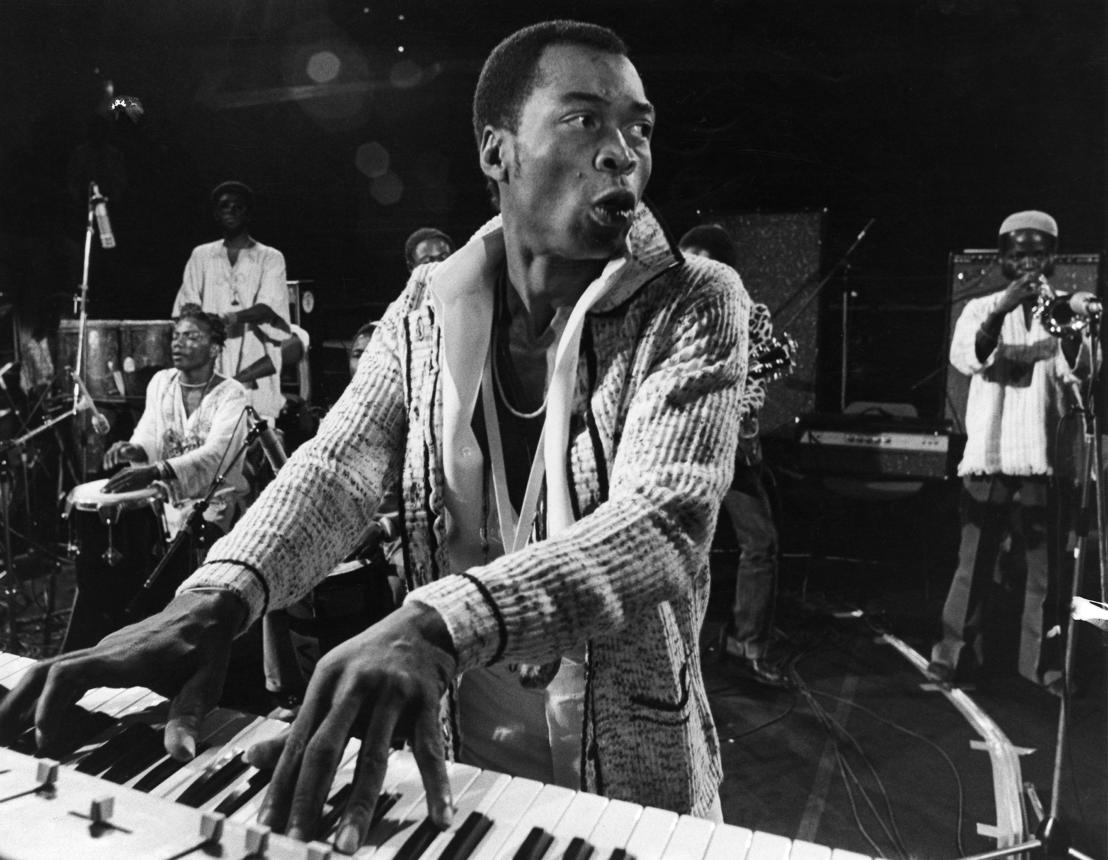
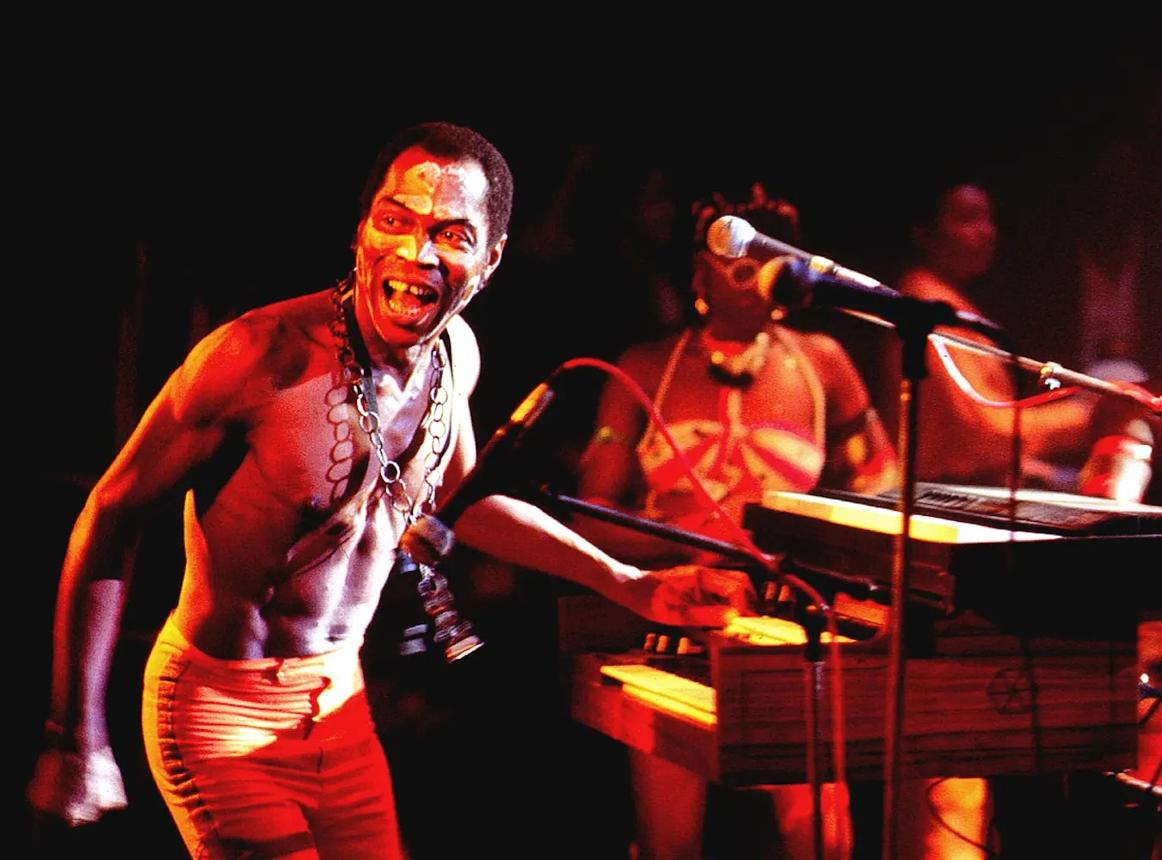
Any serious discussion about albums that shaped the possibilities of politically conscious music should make room for Fela Kuti, because Afrobeat was never merely a sound, it was an entire artistic framework in which rhythm, performance, social criticism and political resistance could operate together.
Zombie, released in 1976, confronts military authoritarianism in Nigeria with a directness that placed Fela Kuti in considerable danger, yet the music remains expansive, rhythmic and hypnotic rather than becoming a dry political lecture.
That distinction matters for African musicians today because Fela Kuti understood that political music still needed to move people physically, and the groove was not a distraction from the message, it was part of the message.
For listeners outside Africa, Zombie also provides useful context for understanding how African popular music has influenced global musical culture, while for African listeners, it offers something more intimate because the social observations embedded within the music belong to a particular political history.
Listen for: the relationship between repetition, rhythm and political emphasis.
10 Albums Everyone Should Hear at Least Once Share on X8. David Bowie — The Rise and Fall of Ziggy Stardust and the Spiders from Mars
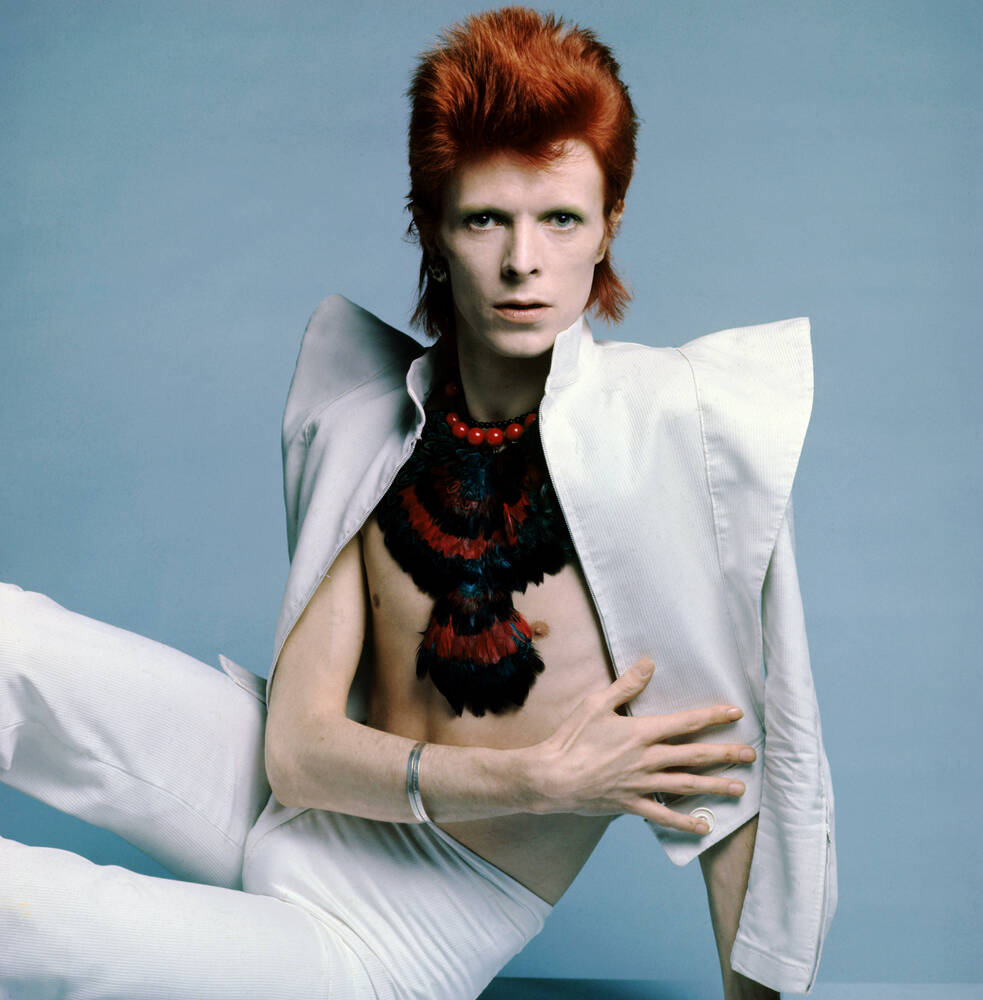
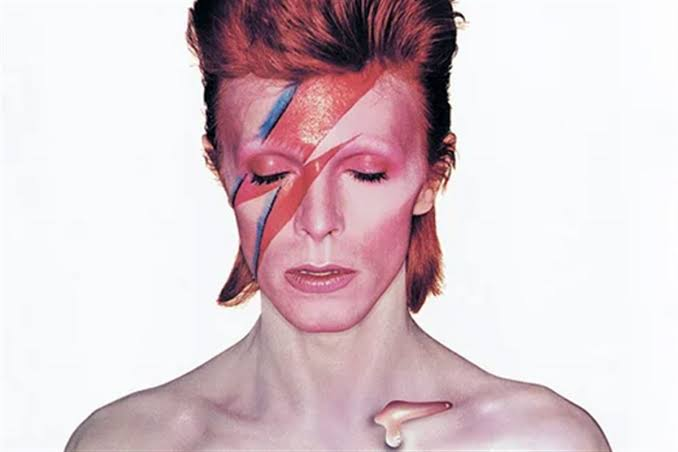

David Bowie’s Ziggy Stardust remains fascinating because Bowie understood that an artist can create a character without allowing the character to become a prison, and that distinction becomes increasingly important in an era when musicians are expected to maintain a consistent public identity across interviews, social media, fashion campaigns and streaming platforms.
The album constructs a fictional rock star while examining fame, sexuality, performance and cultural anxiety, but Bowie never allows the concept to overpower the songs, which is why the record still functions as music rather than merely an interesting piece of theatrical history.
For designers, fashion creatives and image-makers, Bowie offers another lesson that deserves attention, because his visual identity did not simply decorate the music, it extended the artistic concept into clothing, photography, performance and persona.
That is branding before branding became a meeting.
Listen for: Starman, Moonage Daydream, and Rock ’n’ Roll Suicide.
10 Albums Everyone Should Hear at Least Once Share on X9. Daft Punk — Discovery



Daft Punk’s Discovery is essential because it demonstrates that electronic music can be emotionally warm, visually imaginative and structurally ambitious without abandoning the dance floor, while the album’s relationship with animation, sampling, disco, funk and pop makes it one of the clearest examples of music becoming a complete visual and cultural universe.
What fascinates me about the album is its generosity, because the duo understood that electronic music did not need to behave as though technical sophistication required emotional distance, and songs such as Digital Love and Something About Us remain deeply human despite the synthetic architecture surrounding them.
There is also a lesson here for African producers working across amapiano, house, Afrobeat and electronic music, because innovation does not necessarily require abandoning familiar influences, and sometimes the most interesting work begins when an artist takes something everyone recognises and rearranges its emotional function.
Listen for: Digital Love, Something About Us, and One More Time.
10 Albums Everyone Should Hear at Least Once Share on X10. Solange — A Seat at the Table
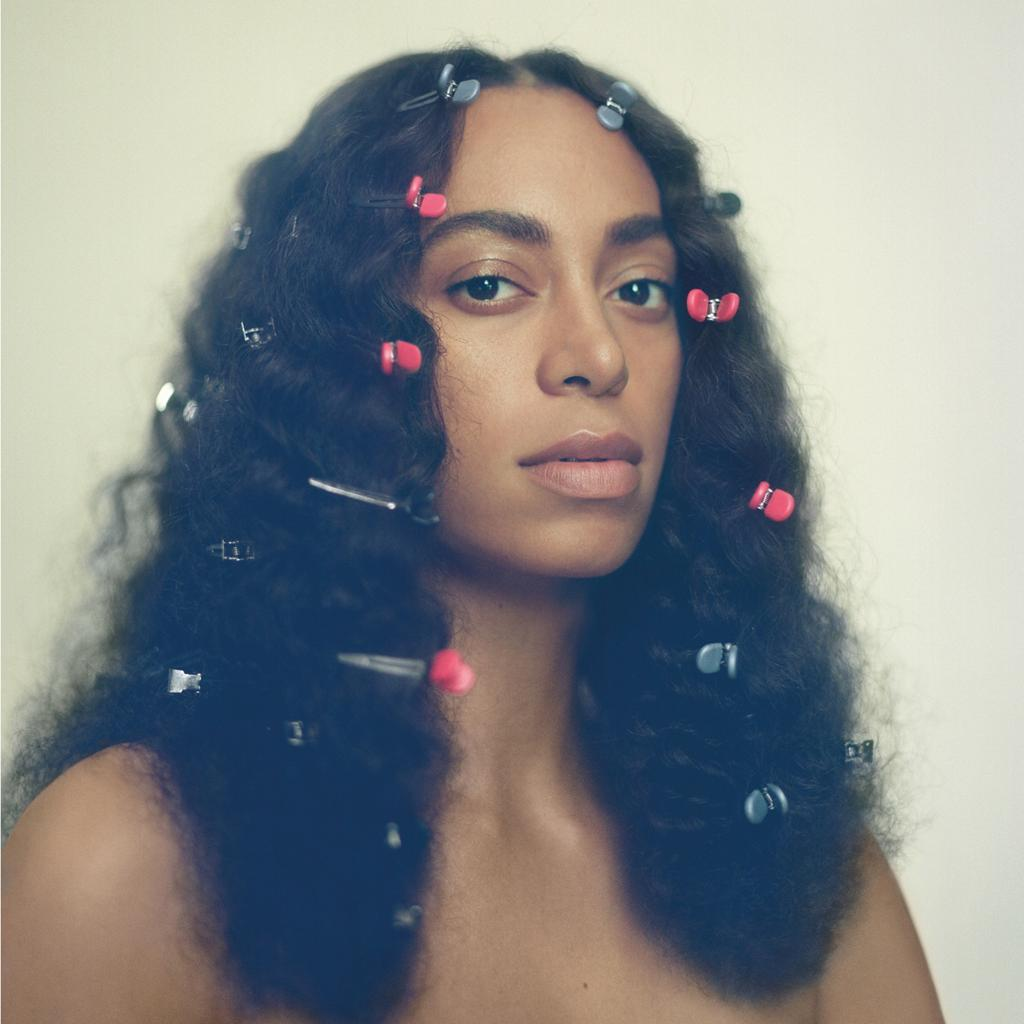
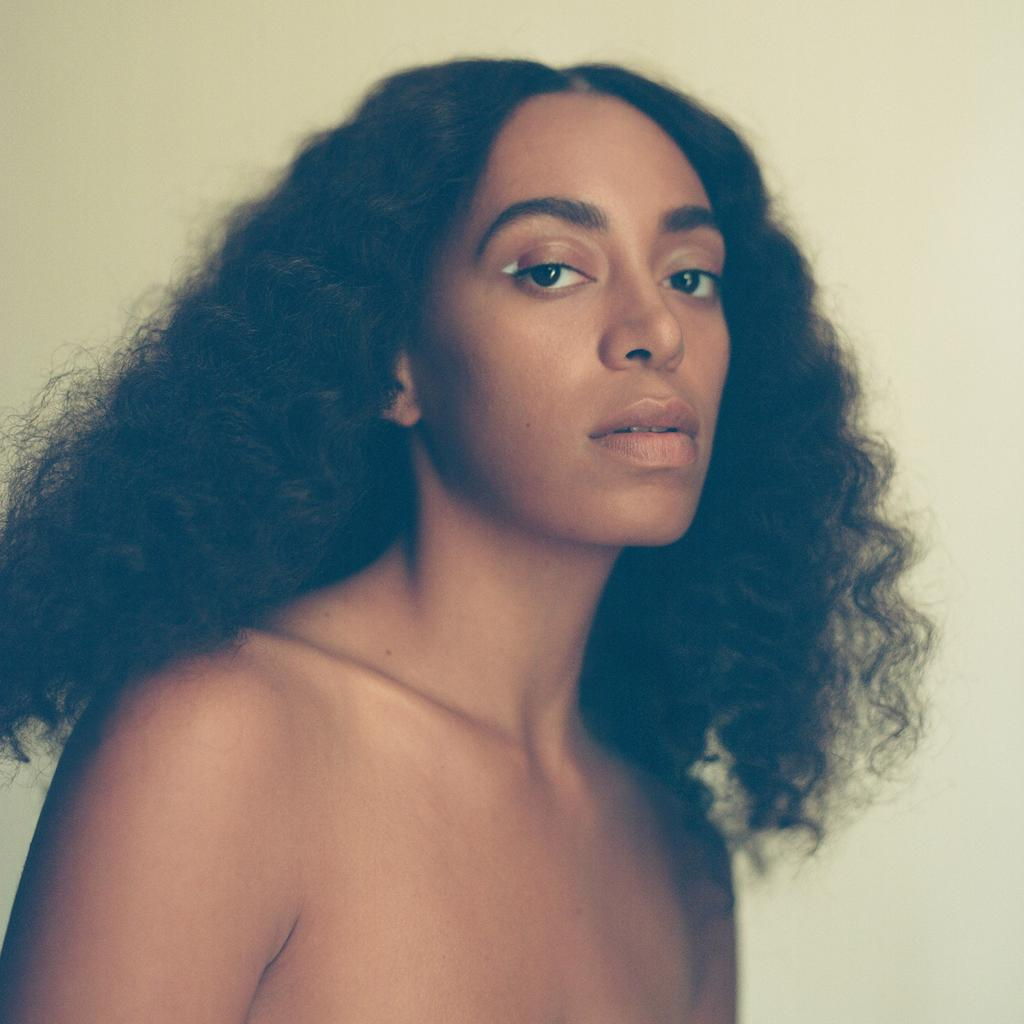
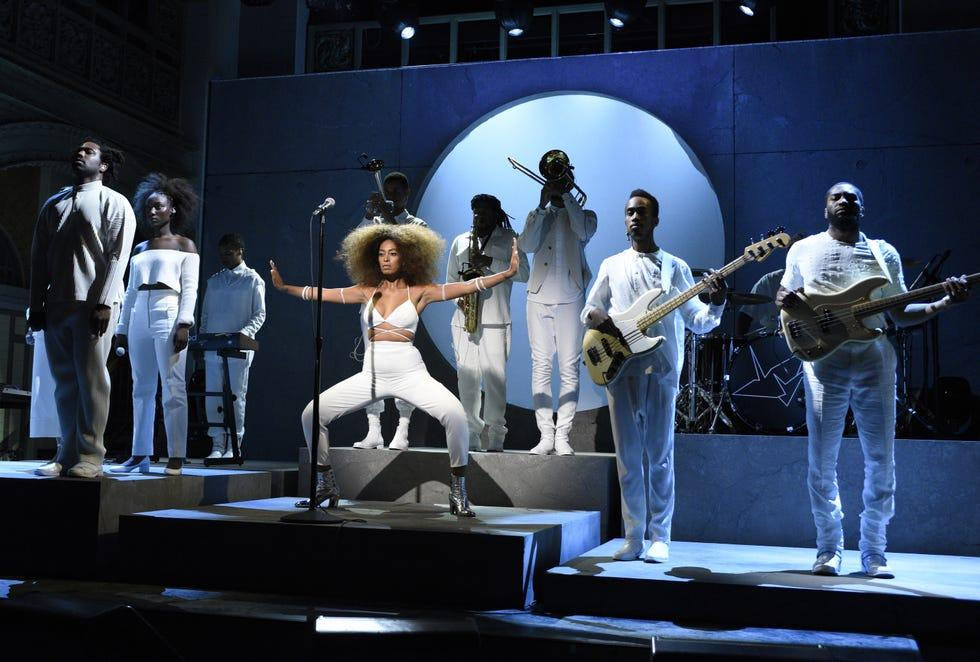
Solange’s A Seat at the Table is the album I would place near the end because it represents a form of artistic confidence that does not need to shout, and its exploration of Black identity, womanhood, exhaustion, family, dignity and self-definition unfolds through carefully controlled production that allows silence and space to become part of the composition.
Released in 2016, the album demonstrated how contemporary R&B could become conceptual without becoming inaccessible, and Solange’s approach to visual presentation, fashion, choreography, architecture and music made the project feel deliberately complete rather than assembled around a few successful singles.
For African creatives, there is particular value in studying Solange because she treats the album as a cultural object rather than merely an audio product, which means that sound, image, clothing, movement and environment reinforce the same artistic language.
That is increasingly important in contemporary music because listeners now encounter an artist through photographs, videos, live performances, social platforms and fashion before they necessarily hear the complete record.
Listen for: Cranes in the Sky, Don’t Touch My Hair, and the extraordinary restraint throughout the album.
10 Albums Everyone Should Hear at Least Once Share on XI would not tell anyone that these are objectively the 10 greatest albums ever made, because music criticism becomes less interesting the moment personal judgment disguises itself as scientific certainty, and even publications with enormous authority disagree with one another, with NME’s 2013 poll placing The Smiths’ The Queen Is Dead at number one while an earlier NME reader poll placed Oasis’ Definitely Maybe at the top, which is enough evidence that the canon changes according to the people doing the listening.
Umthimbane – Creative Director for SFI.COZA
The Album That Deserved an Exception: Sade — Love Deluxe



Sade’s Love Deluxe belongs on this list because it demonstrates a kind of sophistication that never needs to announce itself, with the band creating an atmosphere where soul, jazz, pop and quiet sensuality exist naturally, while Sade Adu’s voice carries every song with such remarkable restraint that even heartbreak seems to arrive dressed properly.
Released in 1992, Love Deluxe contains “No Ordinary Love,” “Cherish the Day,” “Kiss of Life,” and “Like a Tattoo,” songs that reveal an artist who understands that emotional intensity does not require vocal excess, and for me, that is precisely what makes the album so enduring because the performances leave enough space for the listener to bring their own memories into the music.
There is also something deeply relevant about Love Deluxe for contemporary African listeners and creatives, particularly those interested in fashion, photography, design and visual culture, because Sade and her collaborators understood the power of restraint long before minimalism became a marketing strategy, creating an artistic world in which the music, styling, photography and identity felt connected without becoming overly constructed.
Listen for: No Ordinary Love, Cherish the Day, and Kiss of Life, particularly if you want to understand why Sade remains one of the rare artists whose music can make a room feel more expensive without changing a single piece of furniture.
Sources and further reading
SFI.COZA’s selections draw on music criticism, historical album rankings and editorial references from established publications, including NME’s extensive greatest-albums archives and contemporary music criticism from Pitchfork. NME’s historical lists demonstrate how critical consensus has shifted across different periods, while its staff selections also reveal how individual listeners can arrive at very different definitions of musical greatness.
Pitchfork’s current editorial work also illustrates how album criticism continues to evolve, with its 2026 coverage spanning established artists, contemporary releases and retrospective reassessments of older records.
Editorial note: This is an SFI.COZA editorial selection rather than an objective ranking, and the list intentionally places African and African-diaspora perspectives alongside widely recognised international records because any serious conversation about modern music becomes incomplete when Africa is treated as an appendix rather than part of the central history.
One response to “10 Albums Everyone Should Hear at Least Once”


We at SFI.COZA think that stories have the ability to educate, uplift, and unite people. As a sociable and committed editor, we work hard to provide rich media coverage that connects with our audience. Our ambition to positively touch our audience's lives, one article at a time, is equal to our enthusiasm for storytelling. Come along on this adventure with us as we explore the planet.





Leave a Reply