


There was a time when watching a film meant little more than deciding whether you wanted popcorn before the opening credits, but somewhere along the way our screens became much more ambitious than that, quietly turning bedrooms, cinemas, buses, flights and late-night living rooms into places where we encounter questions about who we are, what we value, what we fear and what kind of society we are willing to tolerate.
I have always believed that the most interesting films are the ones that refuse to leave you entirely when the credits disappear, because the best stories do not simply entertain us for two hours and then politely return us to our lives; they interrupt our assumptions, expose uncomfortable contradictions, and sometimes make an ordinary conversation feel slightly more complicated the following morning.
The Films and Series That Have Given Us Something to Think About Share on XThat is particularly interesting now, because we are living through a period in which entertainment has become almost impossibly accessible, with Netflix, Apple TV+, Showmax, Disney+ and other platforms giving audiences access to stories from Seoul, Johannesburg, London, Lagos, Los Angeles and Mumbai without requiring us to leave the sofa, and yet the abundance of choice has created its own problem because having thousands of titles available does not necessarily mean that we are watching stories that deserve our attention.
At SFI.COZA, I am less interested in producing another list of things you should watch because an algorithm decided they are popular and more interested in the films and series that have stayed with me because they gave me something to consider after the entertainment ended, whether that meant thinking differently about wealth, masculinity, work, family, technology, social class, ambition or the strange ways in which human beings learn to live with systems they privately dislike.
The Films and Series That Have Given Us Something to Think About Share on XParasite and the uncomfortable architecture of inequality
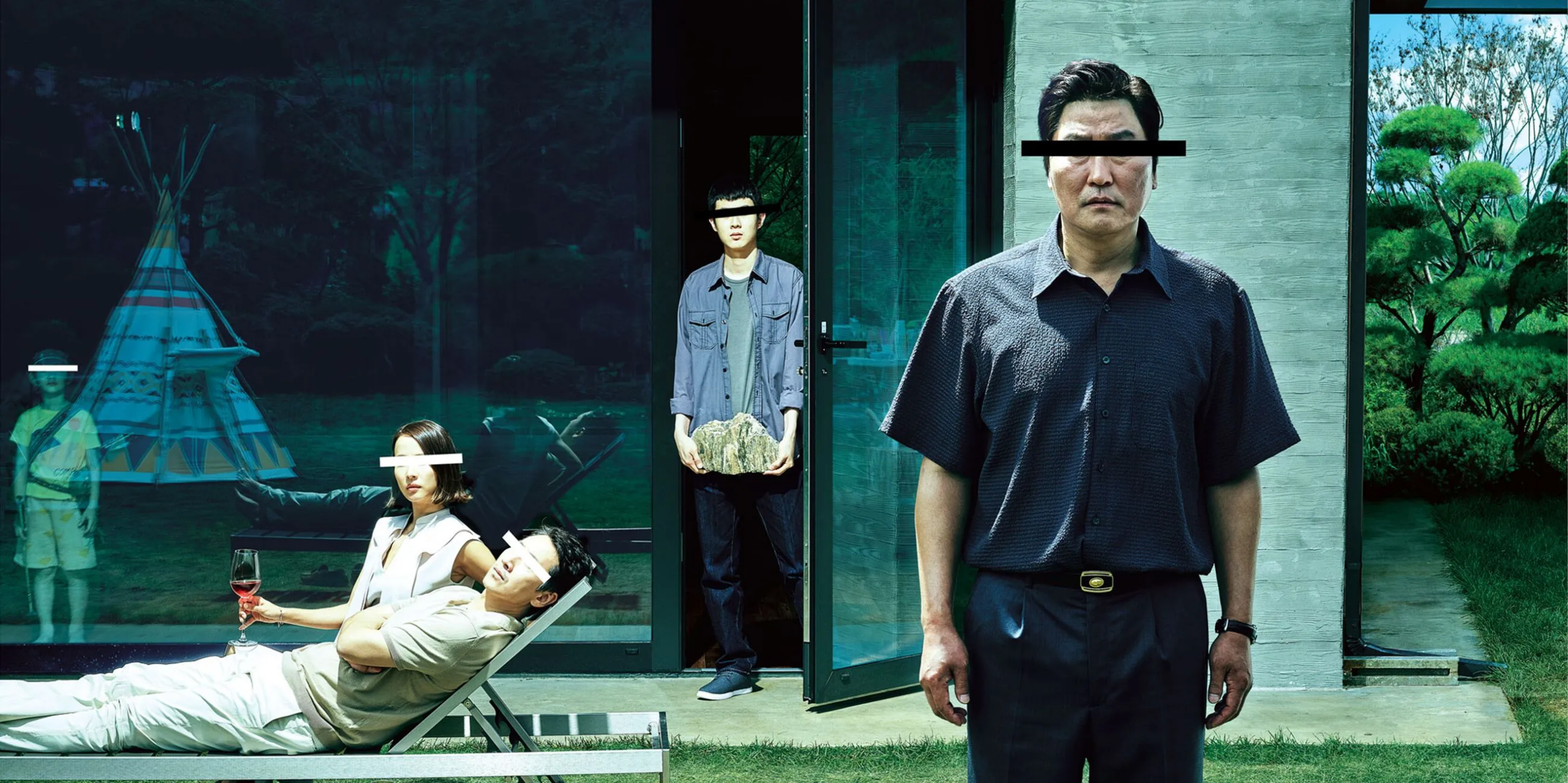
Bong Joon Ho’s Parasite remains one of the clearest examples of what happens when cinema takes a social issue and refuses to turn it into a lecture, instead allowing the architecture of a house, the movement of people through different rooms and the small humiliations of everyday life to reveal the distance between social classes.
The genius of the film lies partly in its ability to make inequality feel physical, because characters do not simply occupy different economic positions; they occupy different spaces, breathe different air, experience different expectations and understand the same city from completely different levels.

The film follows a poor family in Seoul whose lives become entangled with a wealthy household, and although the story moves through comedy, suspense and violence, its deeper concern remains the relationship between money and human dignity.
That idea feels particularly relevant in South Africa, where the physical geography of cities often tells a social story before anyone says a word, because Cape Town, Johannesburg and Durban contain extraordinary wealth alongside communities confronting unemployment, housing pressure and unequal access to opportunity.
Parasite does not tell us that rich people are automatically evil or poor people are automatically noble, which is precisely why it works, because it asks us to look at the system rather than search for a convenient villain.
The film won the Academy Award for Best Picture and became the first non-English-language film to receive that award, while the Criterion Collection describes it as a major cinematic examination of class inequality.
The Films and Series That Have Given Us Something to Think About Share on XSeverance asks what happens when work consumes the person

I have become increasingly fascinated by stories about work because modern professional culture has developed an almost absurd ability to convince people that exhaustion represents ambition.
Severance, created by Dan Erickson, takes that anxiety and turns it into science fiction.
The premise is wonderfully disturbing: employees at Lumon Industries undergo a procedure that separates their workplace memories from their personal memories, meaning the person who arrives at work has no knowledge of life outside the office while the person who leaves has no memory of what happened during the working day.

It sounds ridiculous until you remember how many people already behave as though their professional identity and personal identity belong to completely different human beings.
The series asks something far more serious beneath its strange premise, because if work occupies a significant portion of your consciousness, what exactly happens when an organisation gains control over that part of your life?
For young professionals, founders and creatives, that question deserves attention. Ambition matters, discipline matters and meaningful work can transform a life, but there is a dangerous point at which professional achievement stops becoming something you do and starts becoming the person you believe you are.
The Films and Series That Have Given Us Something to Think About Share on XAdolescence forces us to examine what young people are becoming
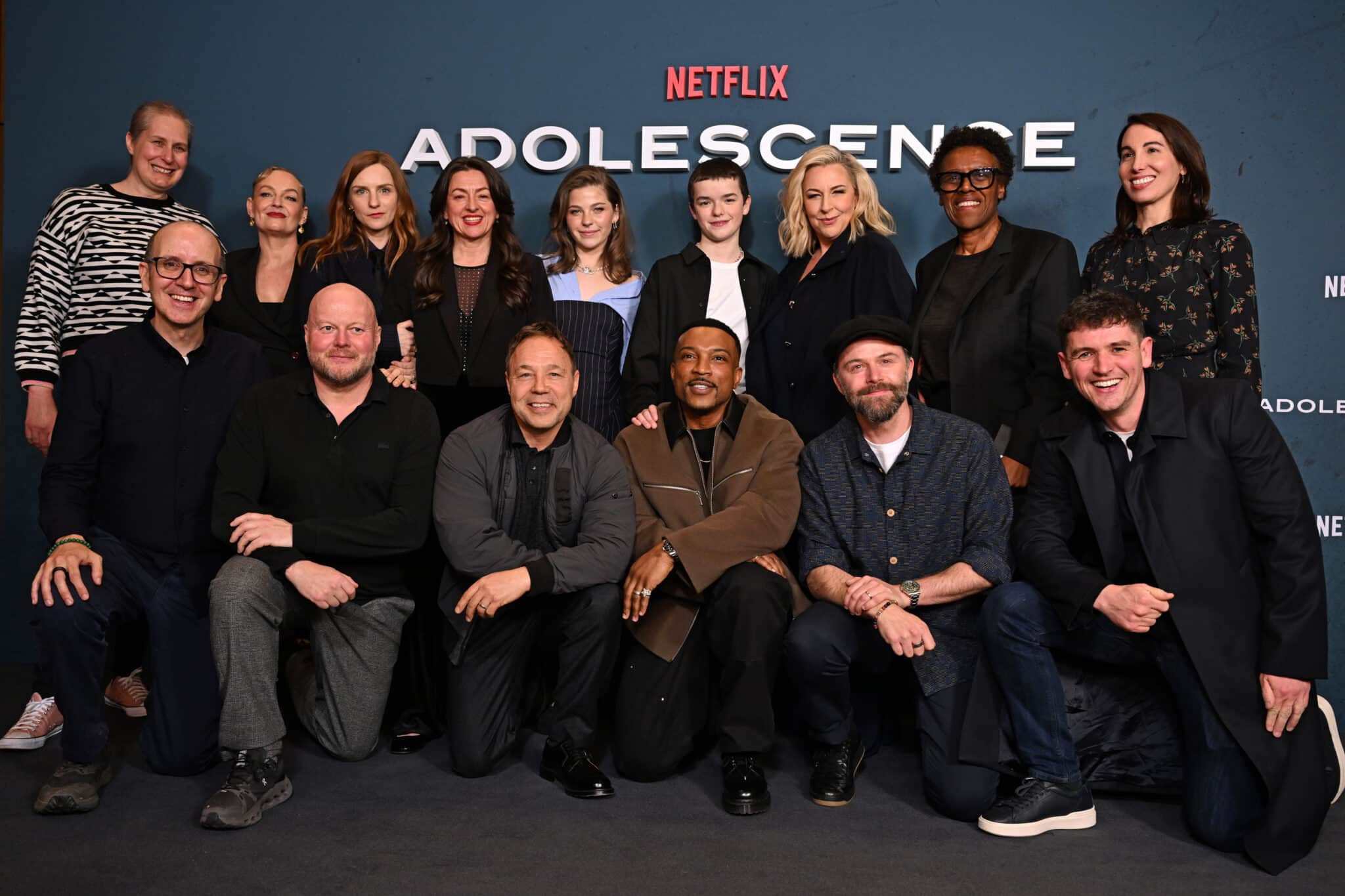
Few recent series have created as much conversation around masculinity, parenting, teenage culture and online influence as Netflix’s Adolescence, the 4-part drama created by Jack Thorne and Stephen Graham.
The story begins with the arrest of thirteen-year-old Jamie Miller after he is accused of murdering a female classmate, but the real subject of the series gradually becomes much larger than the crime itself because the story examines the family, school, community and psychological environment surrounding the boy.
What makes the series particularly powerful is that it refuses to provide an easy explanation. There is no single conversation that explains everything. There is no convenient villain who arrives at the end to carry the responsibility.
Instead, the series leaves adults confronting the possibility that young people can inhabit digital environments that their parents barely understand, while parents can love their children deeply without necessarily knowing what their children are learning, believing or becoming.

Netflix reported in 2026 that its research found more than half of familiar parents said the series had prompted conversations they had never previously had with their children, while nearly two-thirds of familiar teenagers said they felt more understood because of it.
That matters because entertainment becomes culturally important when it creates conversations that society has been avoiding.
The Films and Series That Have Given Us Something to Think About Share on XDistrict 9 reminds us that science fiction can be deeply South African
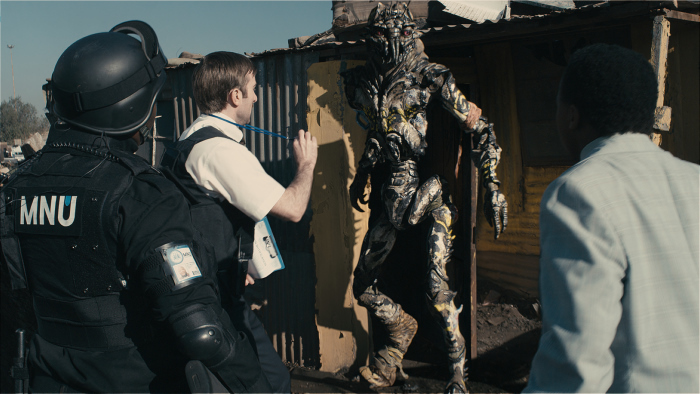
Neill Blomkamp’s District 9 remains fascinating because it takes science fiction, a genre often associated with futuristic cities and distant planets, and places its central conflict inside the social memory of Johannesburg. The aliens are not simply extraterrestrial creatures designed to make a spectacular film.
They become a vehicle through which the film explores segregation, xenophobia, displacement, bureaucracy, power and the uneasy relationship between those who possess authority and those who exist under it.
The Johannesburg setting gives the story a particular cultural weight because South African audiences understand that spatial separation is not merely an abstract cinematic idea. Our cities carry history. Our neighbourhoods carry history.
Even the roads we use to move between places can carry traces of decisions made decades before many of us were born. That is what makes District 9 worth returning to. It reminds us that genre can carry serious social commentary without becoming academic or inaccessible.
The Films and Series That Have Given Us Something to Think About Share on XBlood & Water understands the complicated business of identity

South African television deserves its own conversation because international audiences have increasingly discovered that local stories do not need to become less South African to become globally relevant.
Blood & Water demonstrates this beautifully through its Cape Town setting, its private-school environment and its story of a teenager investigating whether a swimming star at her school could be the sister who was abducted at birth.
The premise is dramatic, certainly, but what makes the series interesting culturally is its understanding of status, family, race, friendship, and the social performance that takes place inside privileged spaces.
Cape Town becomes more than a backdrop. The city becomes part of the story.

That matters because African audiences have spent decades watching cities from other countries represent aspiration, wealth and modernity, while African cities were often reduced to poverty or political crisis.
Local productions can challenge that visual imbalance by presenting African cities as complicated places where people fall in love, compete, build careers, attend expensive schools, create businesses, make mistakes and worry about ordinary things.
That is cultural representation with texture.
The Films and Series That Have Given Us Something to Think About Share on XThe Bear understands ambition, family and the price of becoming excellent

The Bear is ostensibly about a chef returning to Chicago to run his family’s struggling restaurant, but I suspect many ambitious young people watch it for reasons that have very little to do with food.
The series understands what happens when talent, grief, family expectations and professional ambition occupy the same room.
Carmy wants excellence.
His colleagues want respect.
His family history wants to be acknowledged.
The restaurant wants to survive.
Those desires do not always cooperate.
For anyone building a company, magazine, creative practice or personal brand, that tension feels familiar because ambition can become strangely isolating when nobody around you understands why you care so much about the work. The series also makes an important distinction between excellence and obsession. Being good at something requires discipline. Being consumed by it requires something else. Those are not always the same thing.
The Films and Series That Have Given Us Something to Think About Share on XThe Social Network still understands the psychology of ambition

David Fincher’s The Social Network remains relevant because it understands something uncomfortable about entrepreneurship: sometimes the person who wants to change the world also wants recognition, belonging and revenge.
The film dramatises the creation of Facebook and the disputes surrounding its early development, but beneath the technology sits a much older human story about friendship, status, ambition and exclusion.
That is why I still find it useful for young founders, because business culture often packages entrepreneurship as a clean sequence of vision, execution and success, when real ambition tends to involve insecurity, disagreement, ego and difficult decisions.
The film does not present entrepreneurship as morally pure. It presents it as human. That distinction matters.
The Films and Series That Have Given Us Something to Think About Share on XThis Is Not a Burial, It’s a Resurrection asks what progress means

South African cinema has produced quieter films that deserve serious attention, and Lemohang Jeremiah Mosese’s This Is Not a Burial, It’s a Resurrection belongs firmly within that conversation.
Set in Lesotho, the film follows an elderly widow who confronts the threat of displacement when her village faces relocation because of a proposed reservoir.
Its power comes from its refusal to treat development as automatically virtuous. Infrastructure can create opportunity.
It can also erase memory.
Economic growth can improve lives.
It can also displace communities.
Modernisation can provide new possibilities.
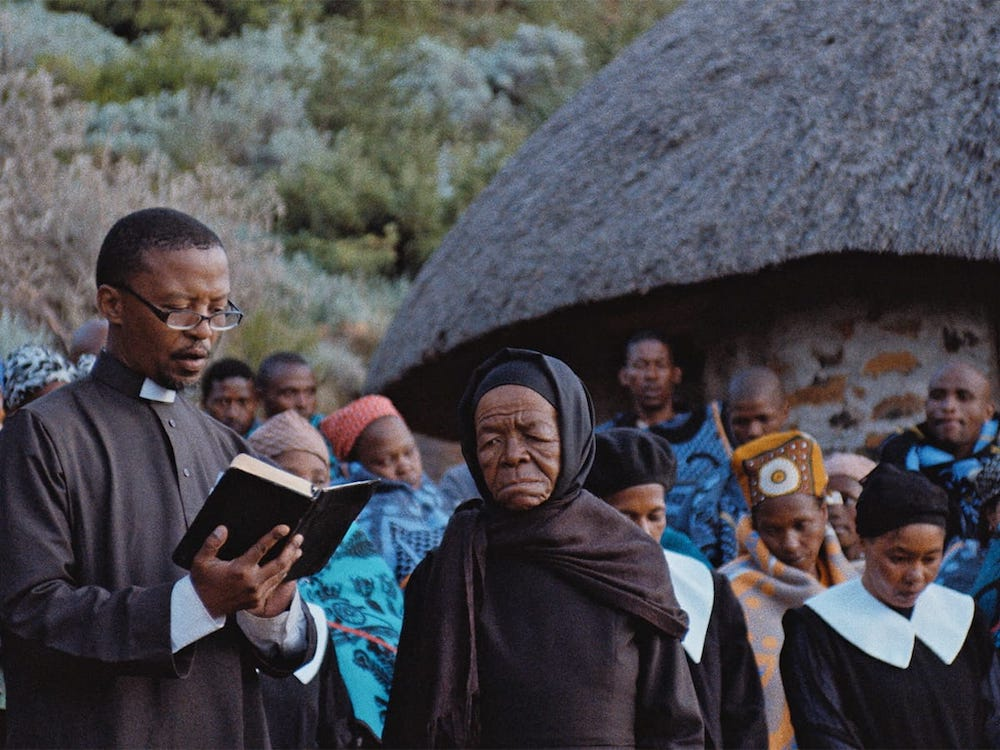
It can also force people to surrender places that contain generations of meaning. For African societies navigating rapid urbanisation and economic development, those questions remain deeply relevant. Progress should not only be measured by what gets built.
We should also ask what gets lost.

The Substance asks what happens when self-image becomes a prison

Coralie Fargeat’s The Substance is one of those films that becomes increasingly uncomfortable the longer you think about it because beneath its body-horror style sits a brutal examination of ageing, beauty standards, celebrity culture and the pressure placed upon women to remain visually desirable.
The premise is intentionally extreme, but the emotional territory is recognisable. We live in a culture where people can edit photographs before breakfast, measure engagement before lunch and discover whether strangers approve of their appearance before dinner.

(Jennifer McCord / For The Times)
The internet has turned the human face into a public project. The film pushes that idea to an unsettling extreme, but its question remains familiar: what happens when a person begins to value the image of themselves more than the life they are actually living?
That question extends beyond beauty. It reaches into personal branding, entrepreneurship and social media. At some point, every creator has to decide whether they are building a life or simply building an image of one.
The Films and Series That Have Given Us Something to Think About Share on XThe films that matter are not always the easiest ones to watch
What I have come to appreciate most about meaningful cinema is that it does not always make me feel good. Sometimes it makes me uncomfortable. Sometimes it irritates me. Sometimes I finish an episode and sit quietly because a character has exposed something I would rather not recognise in myself.
That is useful. Entertainment does not need to become a lecture, but neither should we underestimate its ability to shape the questions we carry into ordinary life. A great film can change the way you understand money. A series can change the way you understand your parents. A character can make you reconsider ambition.
A story from another country can reveal something about your own. And a South African film can remind you that our own cultural experiences contain enough complexity, humour, tragedy and beauty to sustain stories that deserve to travel. At SFI.COZA, that is ultimately why I believe culture deserves serious attention. Culture is not an accessory to life.
The Films and Series That Have Given Us Something to Think About Share on X

We at SFI.COZA think that stories have the ability to educate, uplift, and unite people. As a sociable and committed editor, we work hard to provide rich media coverage that connects with our audience. Our ambition to positively touch our audience's lives, one article at a time, is equal to our enthusiasm for storytelling. Come along on this adventure with us as we explore the planet.






Leave a Reply