


History rarely announces itself while it is happening. Most cultural revolutions arrive quietly. They begin in cramped rehearsal rooms or, better yet, “small rooms,” as André 3000 said, underground clubs, city streets, youth movements, and neighborhood corners long before museums, books, or documentaries recognise their significance. The people living inside those moments usually have no idea they are building history.
Yet somehow, photographer Janette Beckman seemed to know. Or perhaps more accurately, she understood something even more important: that culture deserved to be documented before the world decided it was valuable.
Who is Janette Beckman?
Janette Beckman is a British-born documentary photographer known for documenting the rise of UK punk and early American hip-hop culture. She photographed artists including The Clash, Run-D.M.C., N.W.A., Queen Latifah, André 3000, and the Beastie Boys while preserving youth subcultures and underground movements in real time.
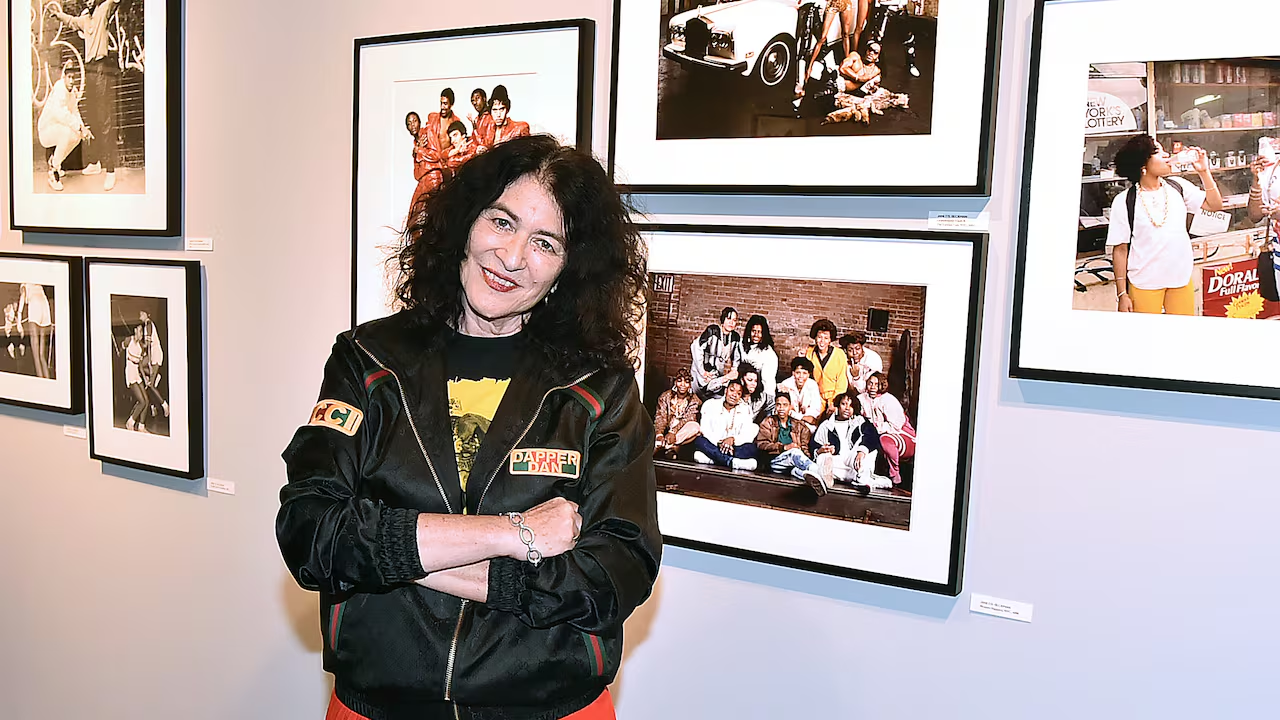
Long before punk became fashion. Before hip-hop became a billion-dollar industry. Before nostalgia turned rebellion into museum exhibitions. Beckman was already there with a camera. And she was not photographing celebrities. She was part of building culture while it was still alive.
The Photographer Who Documented Punk and Hip-Hop Before the World Paid Attention | Janette Beckman Share on XPunk Was Not Aesthetic. It Was Survival.

To understand Beckman’s work, you have to understand Britain in the late 1970s. Economic decline. Youth unemployment. Political frustration. Social tension. Against that backdrop emerged punk. Bands like the Sex Pistols, The Clash, and Siouxsie and the Banshees were not merely making music. They were reflecting a generation’s anger. Working for Melody Maker and later The Face, Beckman stepped into that world with an unusual approach.
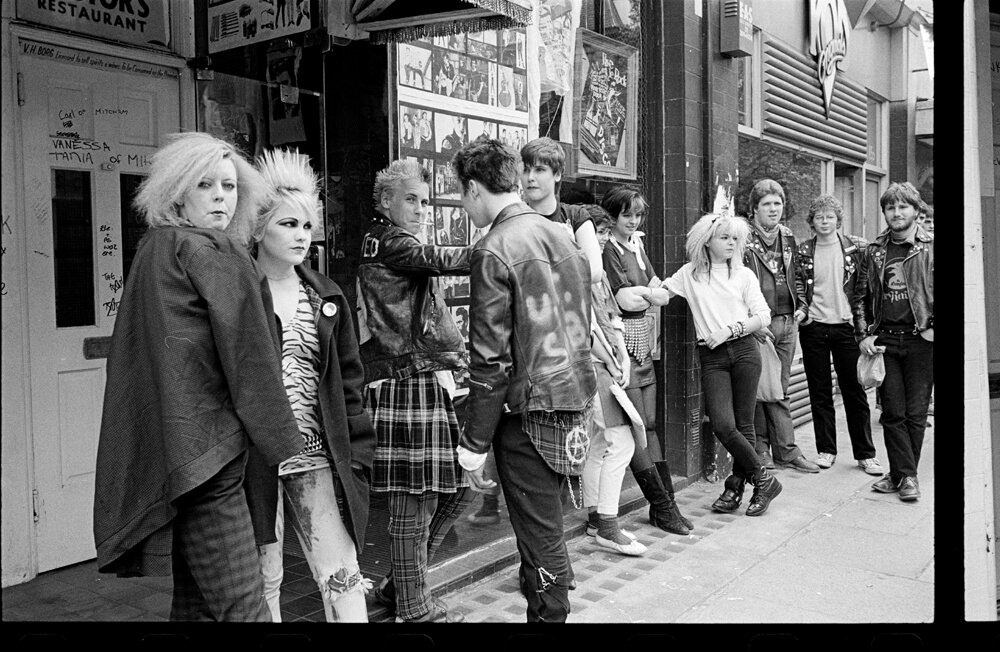
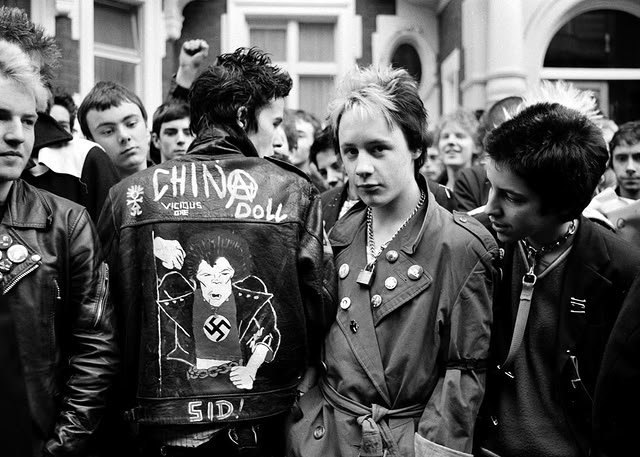
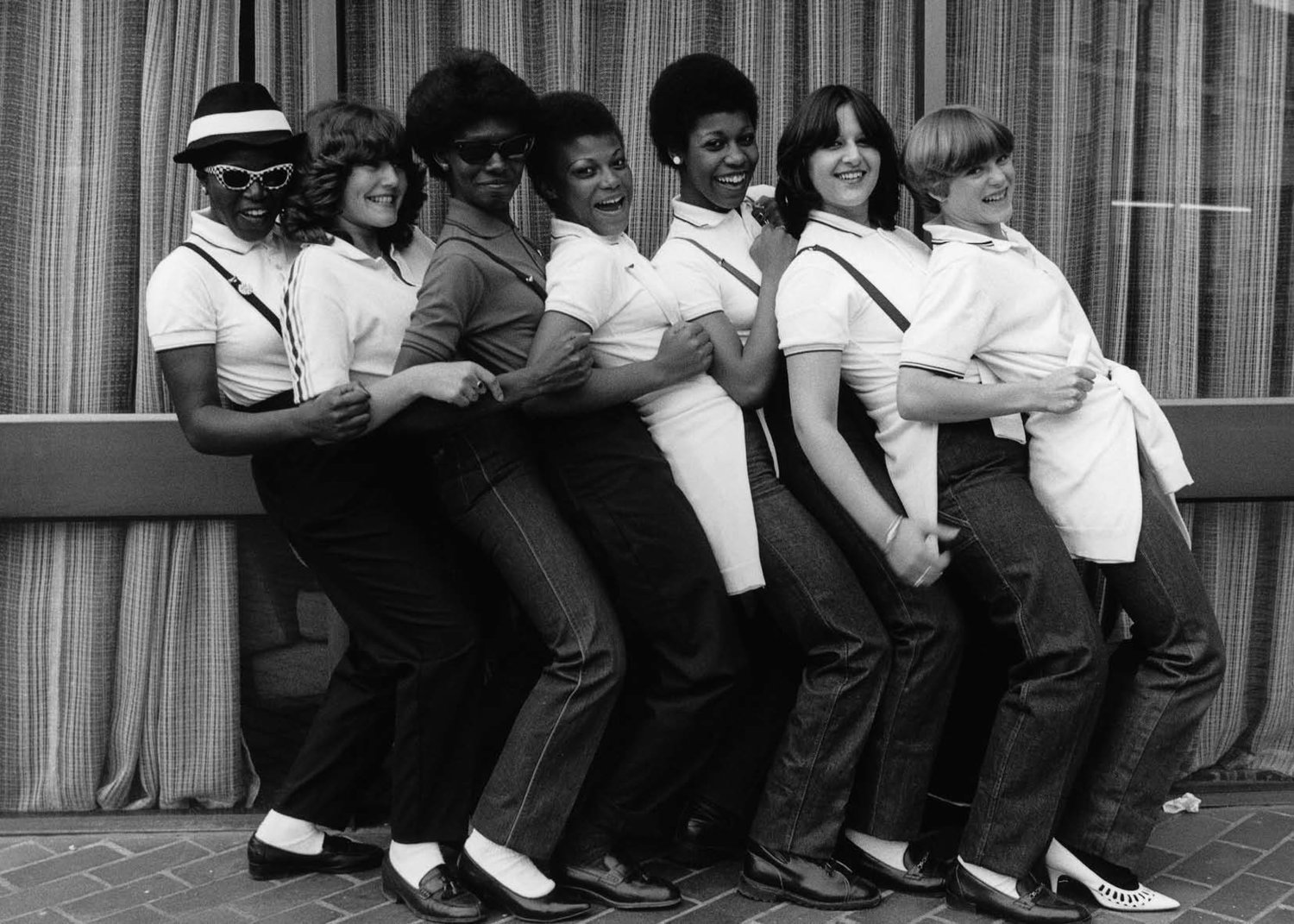
Images courtesy of Janette Beckman’s photography
She avoided glamour. She rejected polish. Instead, she photographed reality. Her images carried natural light, grain, street energy, and human imperfection. Shot largely with a Hasselblad square format, her work felt less like journalism and more like visual anthropology.
What makes these photographs extraordinary is that Beckman understood something many photographers missed:
The crowd mattered as much as the performers. While others chased stars, she walked through places like King’s Road, photographing punks, mods, rude boys, ska girls, and skinheads. The movement existed outside the stage. The street was the stage.
The Photographer Who Documented Punk and Hip-Hop Before the World Paid Attention | Janette Beckman Share on XThen She Crossed The Atlantic And Found Another Revolution
Punk may have introduced Beckman to youth subcultures, but hip-hop gave her another historical assignment. New York in the early 1980s was experiencing something transformational. Hip-hop had not yet become mainstream. It was local. Neighborhood-driven.
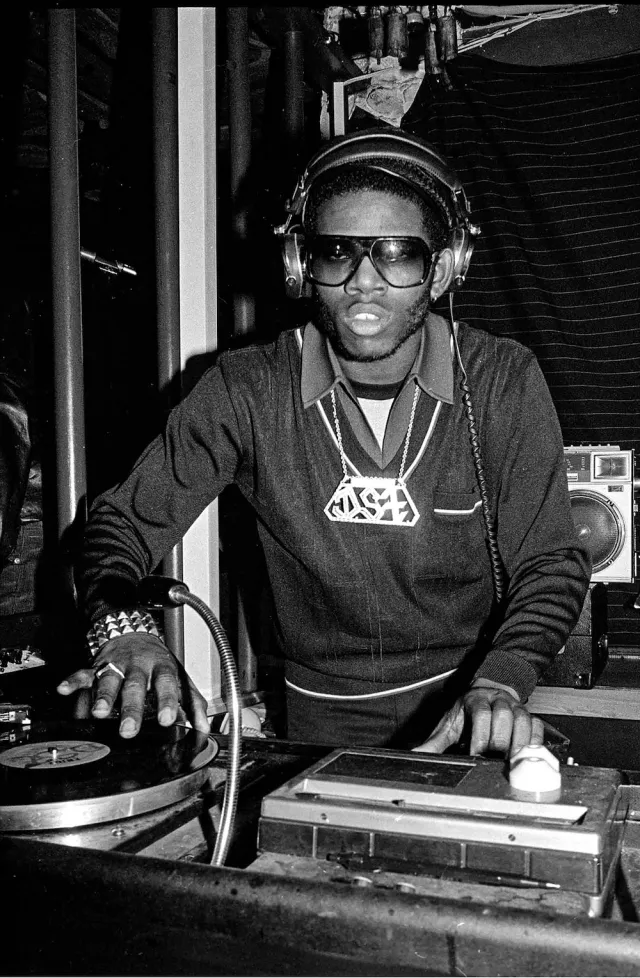
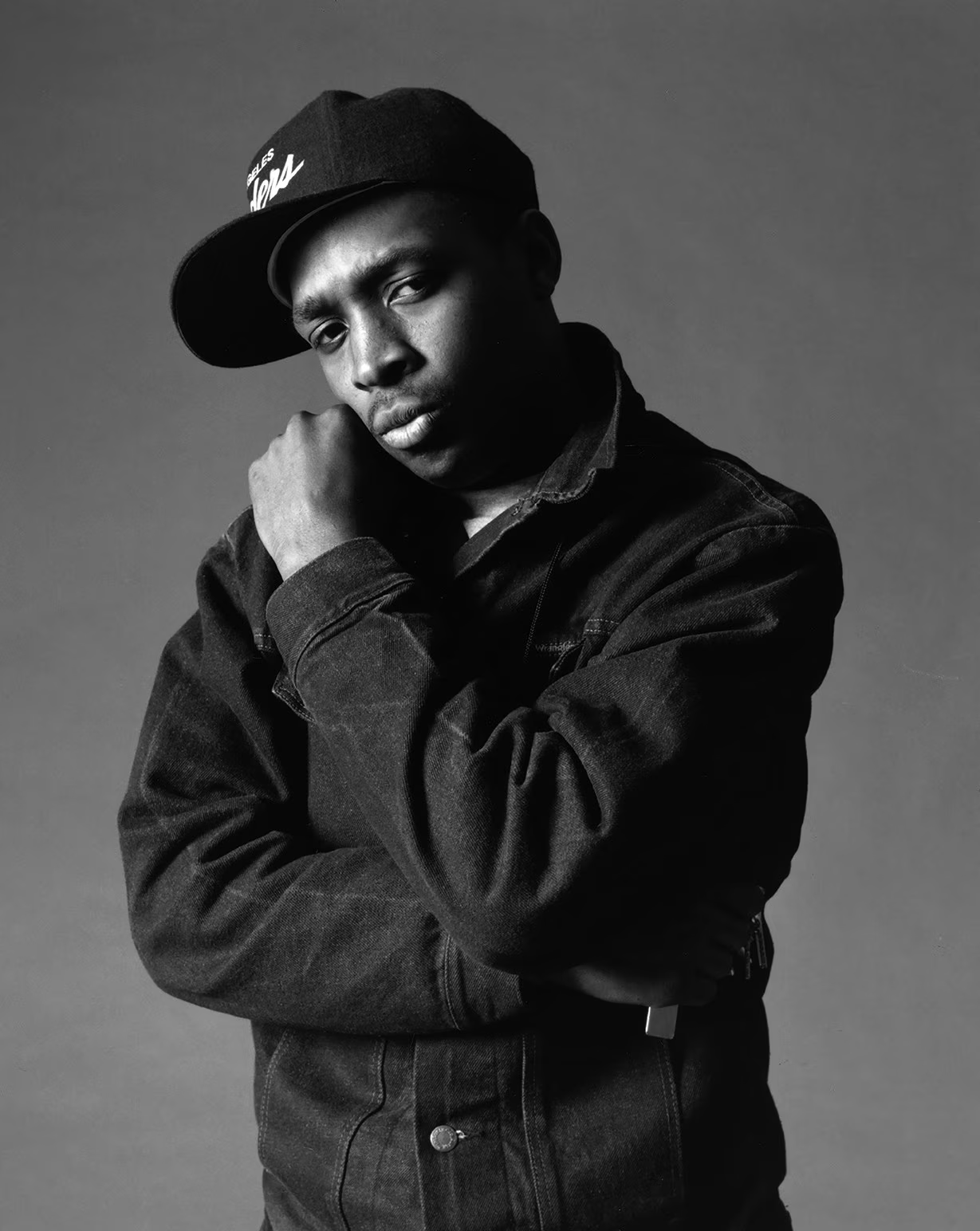
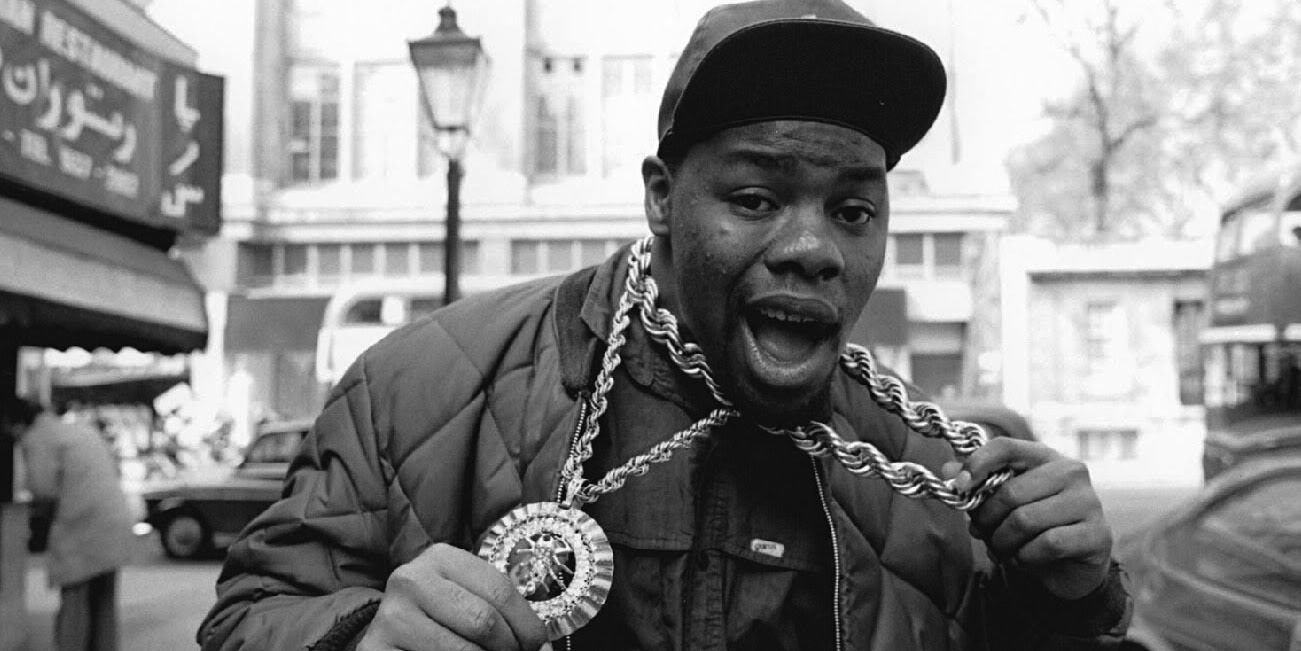
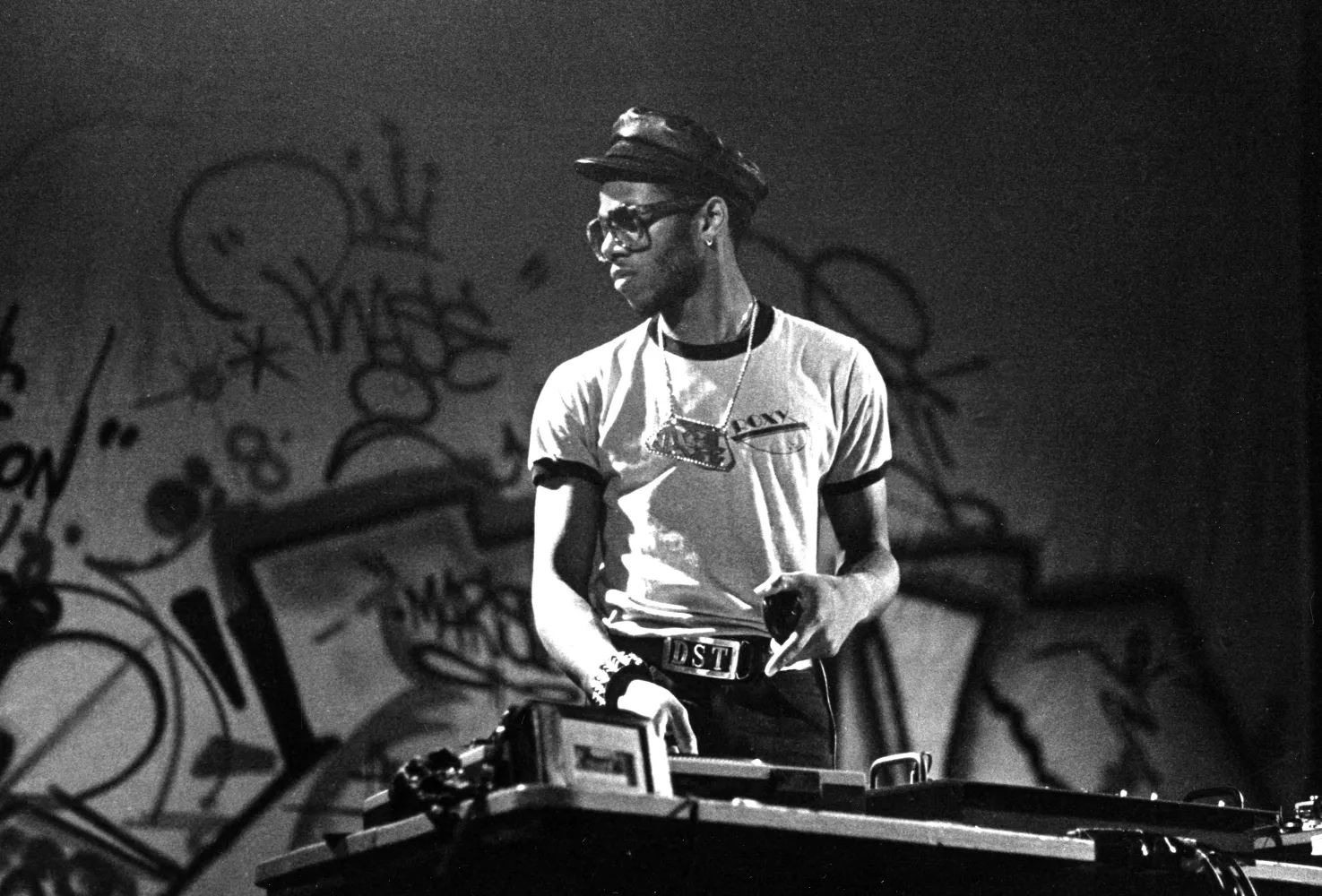
Images courtesy of Janette Beckman’s photography
Still being invented. And Beckman arrived exactly at the right moment. Her famous photograph of Run-D.M.C. and their crew in Hollis, Queens, remains one of the most important visual records in hip-hop history. The image feels ordinary at first glance. A suburban street. Friends around a car. No dramatic styling. No manufactured mythology.
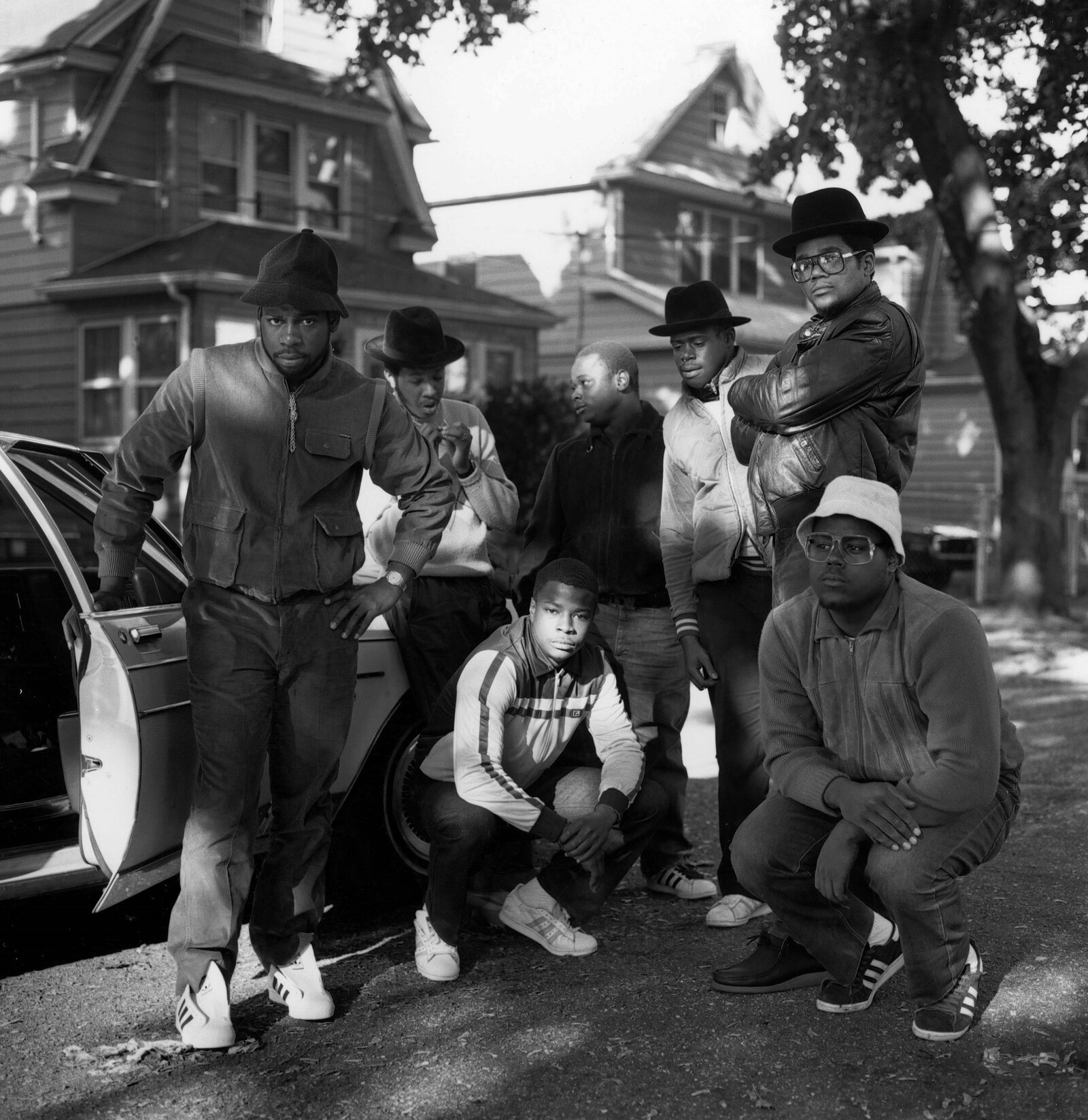
Yet that simplicity is precisely why it works. Because it documented hip-hop before global branding touched it. It showed where the culture actually lived. Today, the image sits among important museum collections because it preserved something larger than musicians. It preserved the environment. It preserved identity. It preserved the origin.
Janette Beckman Understood That Style Is Cultural Memory
One reason Beckman’s archive remains so powerful is because she never separated music from image. She understood what many contemporary creatives now recognize: Style is not decoration. It is storytelling. Look at her portraits. The Kangol hats. Leather jackets. Track suits. Unlaced sneakers. Oversized silhouettes. These were not wardrobe choices. They were cultural languages.
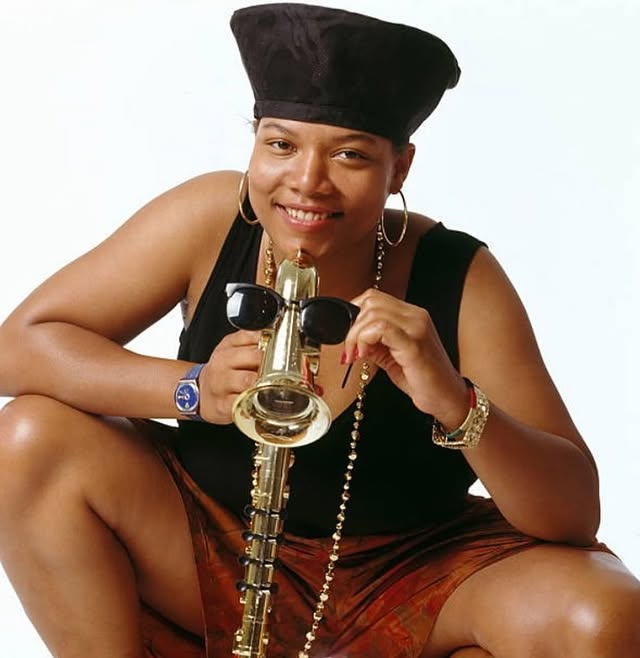
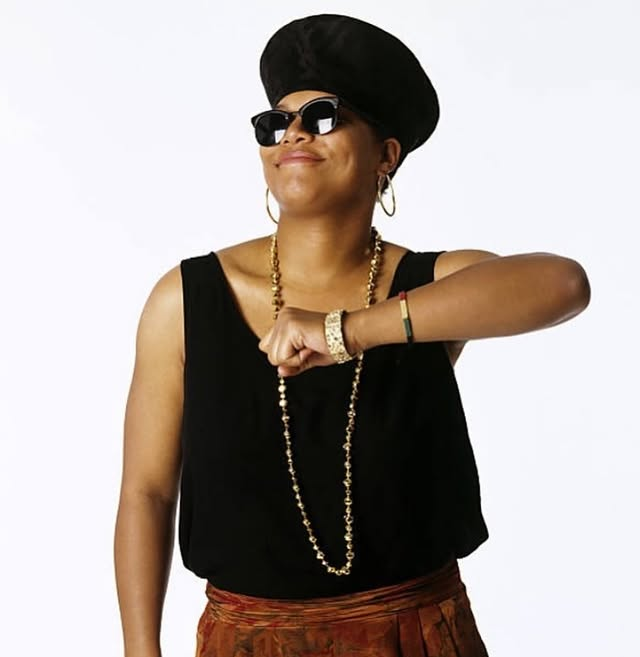
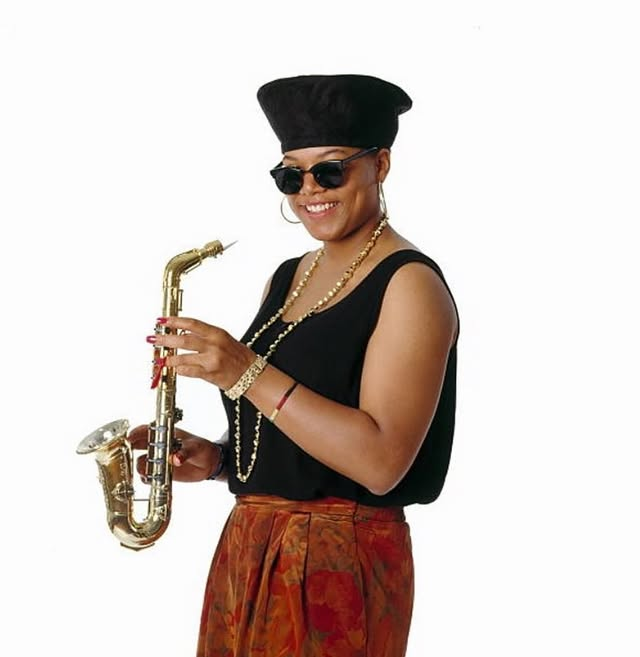
Her photographs of Queen Latifah in New York captured royalty before Hollywood transformed her image. Her portraits of Big Daddy Kane documented charisma at the height of hip-hop’s golden era. Even Kane later described one Beckman portrait as his most iconic image. That matters. Because artists often recognise themselves inside great photography.
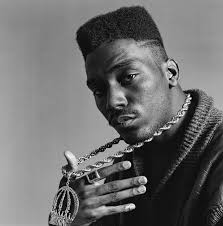
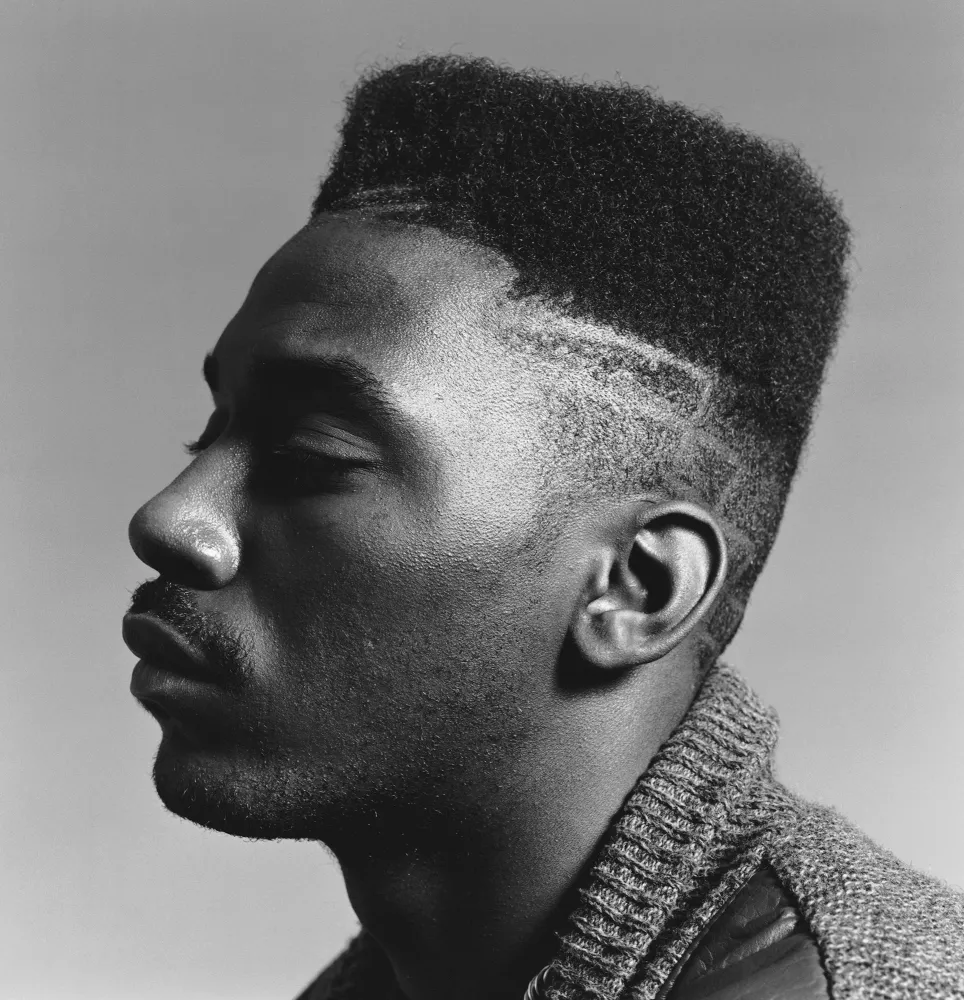
Images courtesy of Janette Beckman’s photography
The André 3000 Portrait That Captured An Era In Motion
Perhaps one of Beckman’s most fascinating images is her portrait of André 3000. Shot during a Spin magazine session in New York around the early 2000s, the image feels almost prophetic. Shirtless. Patterned trousers. Fur headwear. Tattoos visible. Minimal styling intervention. Maximum individuality. The timing makes the image even more remarkable. During the shoot, Outkast reportedly played an unfinished song repeatedly. That song became “Hey Ya!” The same record that would later redefine pop culture globally. Beckman captured André not after the explosion. Before it. Again. History in real time.
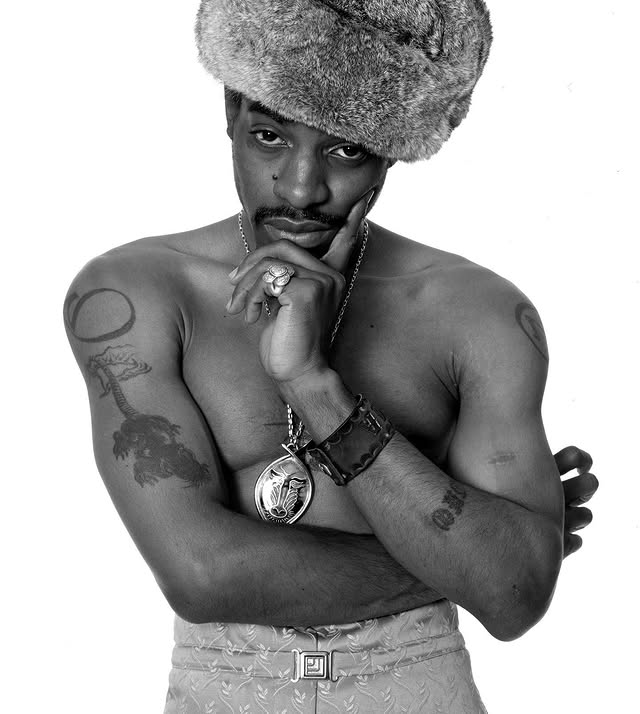
What does Janette Beckman Mean to African Creative Culture Today
At SFI.COZA, this story feels deeply relevant because Africa is living through its own cultural documentation moment. Across South Africa, creators are reshaping identity through sound, fashion, photography, and visual storytelling. Artists like Black Coffee, Kabza De Small, and DJ Maphorisa have helped take local sounds global.
Yet the question becomes: Who is documenting this era properly? Who is photographing the underground spaces? The alternative scenes? The township fashion movements? The creators before they become institutions? Because tomorrow’s history depends on today’s witnesses. Beckman’s career reminds us that cultural preservation is not passive work. It is active participation.
South African platforms like Wikipedia South Africa Music Archive and publications such as Music In Africa, continue documenting African music ecosystems, but independent cultural storytellers remain equally essential.
That is where magazines like SFI.COZA step in, to archive culture while it is still breathing.
The Photographer Who Documented Punk and Hip-Hop Before the World Paid Attention Share on X

We at SFI.COZA think that stories have the ability to educate, uplift, and unite people. As a sociable and committed editor, we work hard to provide rich media coverage that connects with our audience. Our ambition to positively touch our audience's lives, one article at a time, is equal to our enthusiasm for storytelling. Come along on this adventure with us as we explore the planet.





Leave a Reply