


From Sunday soundtracks in a Durban family home to a growing vision for South African R&B, Lola Soul is learning that finding your voice is less about having all the answers and more about being brave enough to keep creating. There is something interesting about music that stays with you long before you understand why.
She is trying to make music that sounds like where she comes from without being limited by it. Her story is still at the beginning, which may be precisely what makes it worth paying attention to.
Where It All Began
For Lola Soul, it began at home in Durban, KwaZulu-Natal, where Sundays came with family, spring cleaning, and the familiar sound of her mother’s Old School R&B playing somewhere in the background. At the time, those songs were simply part of childhood. Years later, they would become part of the vocabulary through which she began understanding her own artistry.
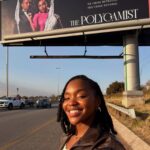
Lola Soul
> “I remember Sundays especially, when we would be doing spring cleaning around the house, she would have her music playing in the background. I didn’t necessarily realise it at the time, but those songs became part of the soundtrack of my childhood.”
Today, Lola Soul is building a sound rooted in R&B and neo-soul, drawing from old-school R&B, soul, and alternative music while exploring the emotional territory of love, relationships, vulnerability, and self-discovery. But there is something more personal happening beneath the genre labels.
It is a familiar kind of origin story, because many musicians can trace their earliest relationship with music to something seemingly ordinary: a parent’s record collection, a song played repeatedly in the kitchen, a family gathering, a radio station in the background.
What makes Lola’s story interesting is how that childhood soundtrack eventually became part of her creative language. She still listens to much of the music her mother played, and the influence can be heard in the genres she naturally gravitates towards, music that feels warm, emotional and honest.

01 — Let’s start with Lola. Where are you from, what was your upbringing like, and what parts of that world still live in you today as a person and as an artist?
> I’m from Durban, South Africa, born and bred in KwaZulu-Natal. I grew up in a typical Zulu household, and a lot of who I am today is rooted in that upbringing. My home was very much centred around family, culture and the little everyday moments that brought us together. One of the things that really stayed with me was my mother’s love for Old School R&B. I remember Sundays especially, when we would be doing spring cleaning around the house, she would have her music playing in the background. I didn’t necessarily realise it at the time, but those songs became part of the soundtrack of my childhood. I think that’s one of the biggest ways my upbringing still lives in me today. I still listen to a lot of the music my mother used to play, and you can hear that influence in the music I make now. I naturally gravitate towards R&B, Neo-Soul and music that feels warm, honest and emotional. So in a way, some of the sounds that shaped me as a little girl are now finding their way back into the music I create as an artist.
There is something beautiful about that circularity. The music that once existed simply as part of home life has returned years later as part of Lola’s creative vocabulary. What was once background music during Sunday cleaning has become part of the emotional foundation from which she creates.
It is also a reminder that ”influence does not always announce itself when it arrives”. Sometimes it takes years before we recognise what has been quietly shaping us.
Loving music is one thing. Deciding that music could become your life is another.
Lola’s transition from listener to creator began in 2023, when experimentation became a more serious creative practice.
02 — When did music stop being something you loved and become something you knew you had to pursue? Was there a particular moment that made you take your calling seriously?
> Music has always been something I loved, but I think the shift happened when I actually started creating my own music. I started making music in 2023, initially just experimenting and figuring things out for myself on BandLab and FL Studio. I didn’t have everything figured out, and I was learning as I went. Then I released my first song, “All Alone,” in March 2024. That was a really important moment for me because putting something I had created out into the world made it feel real. It stopped being something that only existed privately and became something other people could experience and connect with. That’s when I realised that this wasn’t just something I wanted to do for fun. I wanted to take myself seriously as an artist and see how far I could actually take this. There’s still so much I’m learning, but I know now that music is something I genuinely want to build my life around.
There is an important lesson in Lola’s beginnings, you do not necessarily need to have the entire career figured out before you begin building it. Her early process was experimentation. BandLab, FL Studio, and learning as she went.
Then came the decision to release. “All Alone” became more than a song because it crossed a line that every creator eventually has to cross: the line between making something privately and allowing the world to experience it.
That first release did not mean she suddenly had everything figured out. It meant she had decided to take herself seriously. And sometimes that is where the real journey begins.
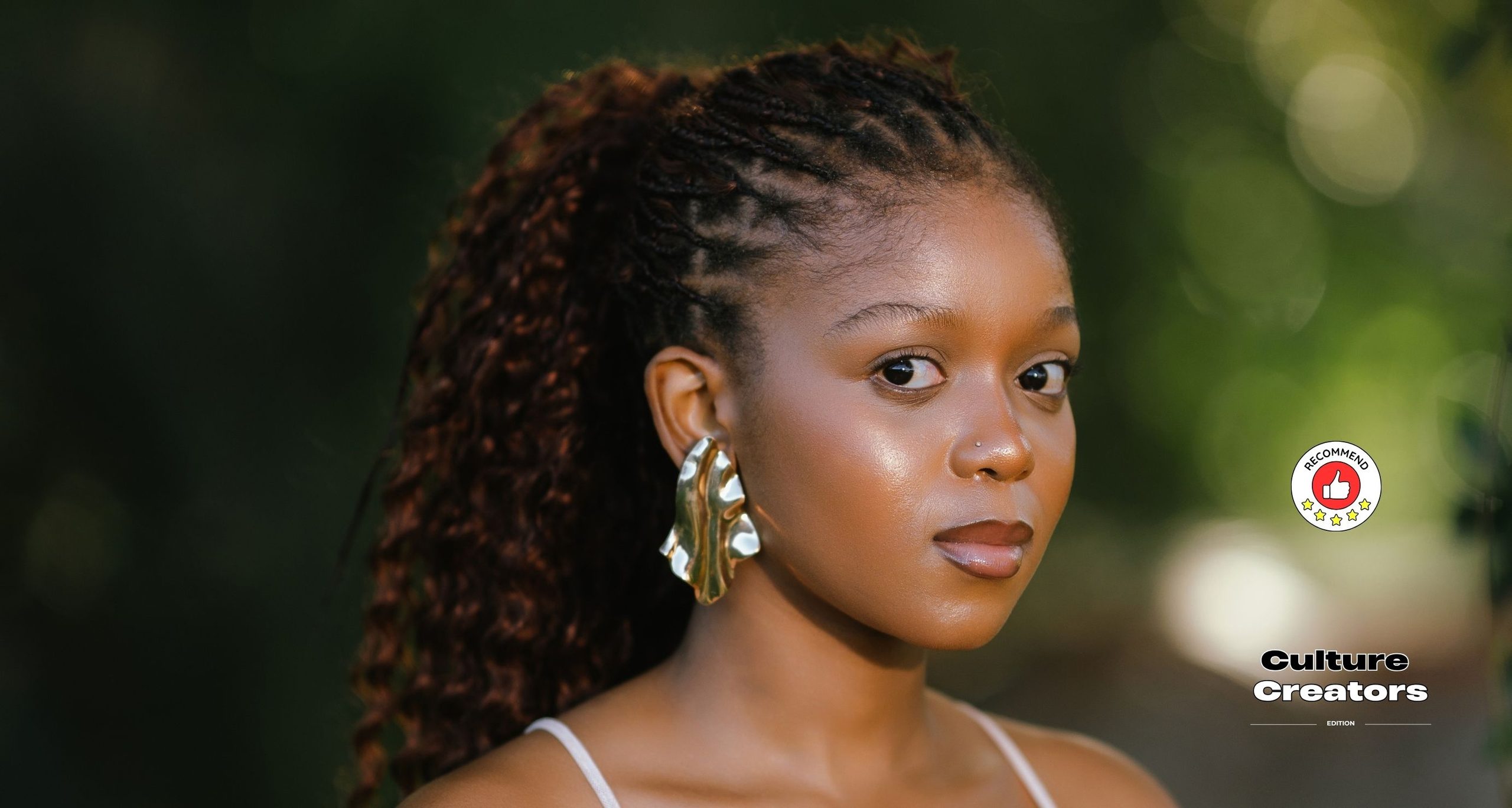
Lola describes her sound through R&B and Neo-Soul, with influences ranging from Old School R&B and soul to alternative music, but underneath those references is a clear interest in emotional storytelling.
03 — There is a growing audience discovering your work. How would you describe the sound and feeling of Lola Soul, and what do you believe you bring to the entertainment space that is distinctly your own?
> I would describe Lola Soul as R&B and Neo-Soul with influences from Old School R&B, Soul and Alternative music. I’m very drawn to music that allows you to sit with your emotions and actually feel something. I think what makes my music distinctly mine is the way I approach storytelling. I want to talk about love, relationships, vulnerability and the different experiences that come with them, but I don’t want to tell those stories from only one perspective. I’m also interested in bringing a South African perspective into a genre that has historically been heavily influenced by international music. I want to show that you can be inspired by the sounds you grew up loving while still creating something that comes from your own environment, experiences and identity.
That last idea sits at the heart of Lola Soul’s artistic direction. How do you take something you love from elsewhere and make it unmistakably yours? For Lola, the answer is not to reject the sounds that influenced her.
It is to reinterpret them. R&B and Neo-Soul can carry international influences while still speaking from Durban, from South Africa, from a particular generation and from a particular lived experience.
That is where cultural identity becomes interesting, not as a boundary, but as a creative ingredient. Lola’s writing process does not appear to begin with a rigid formula.
04 — Take us into your writing process. When you sit down to create, where do your ideas usually come from, life, relationships, observation, emotion, imagination, a melody, a beat, and how do you turn that first spark into a song?
> A lot of my ideas come from emotions and experiences, especially when it comes to relationships and love. Sometimes I’ll have a specific feeling that I want to express, and other times a melody or a beat will immediately create a certain emotion in me. I don’t always sit down knowing exactly what I want to write about. Sometimes the music itself tells me where the song needs to go. I’ll start with a thought, a feeling or even just a line, and then build around it. I think the most important part of my writing process is being honest. I don’t want to force a story just because I think it sounds good. I want the emotion behind the song to feel real, because I think people can tell when something comes from an authentic place.
In an industry where attention can sometimes reward speed, Lola’s approach is deliberately human. She is interested in the feeling before the formula.
And that matters because emotional honesty is difficult to manufacture. A polished production can create atmosphere, but it cannot automatically create truth. For Lola, the story has to feel real before it sounds good. Perhaps the clearest explanation of Lola Soul’s purpose comes down to two words:
”Feel seen”.
05 — Your music is ultimately a conversation with people. What do you want listeners to feel, think about, or carry with them after hearing one of your songs?
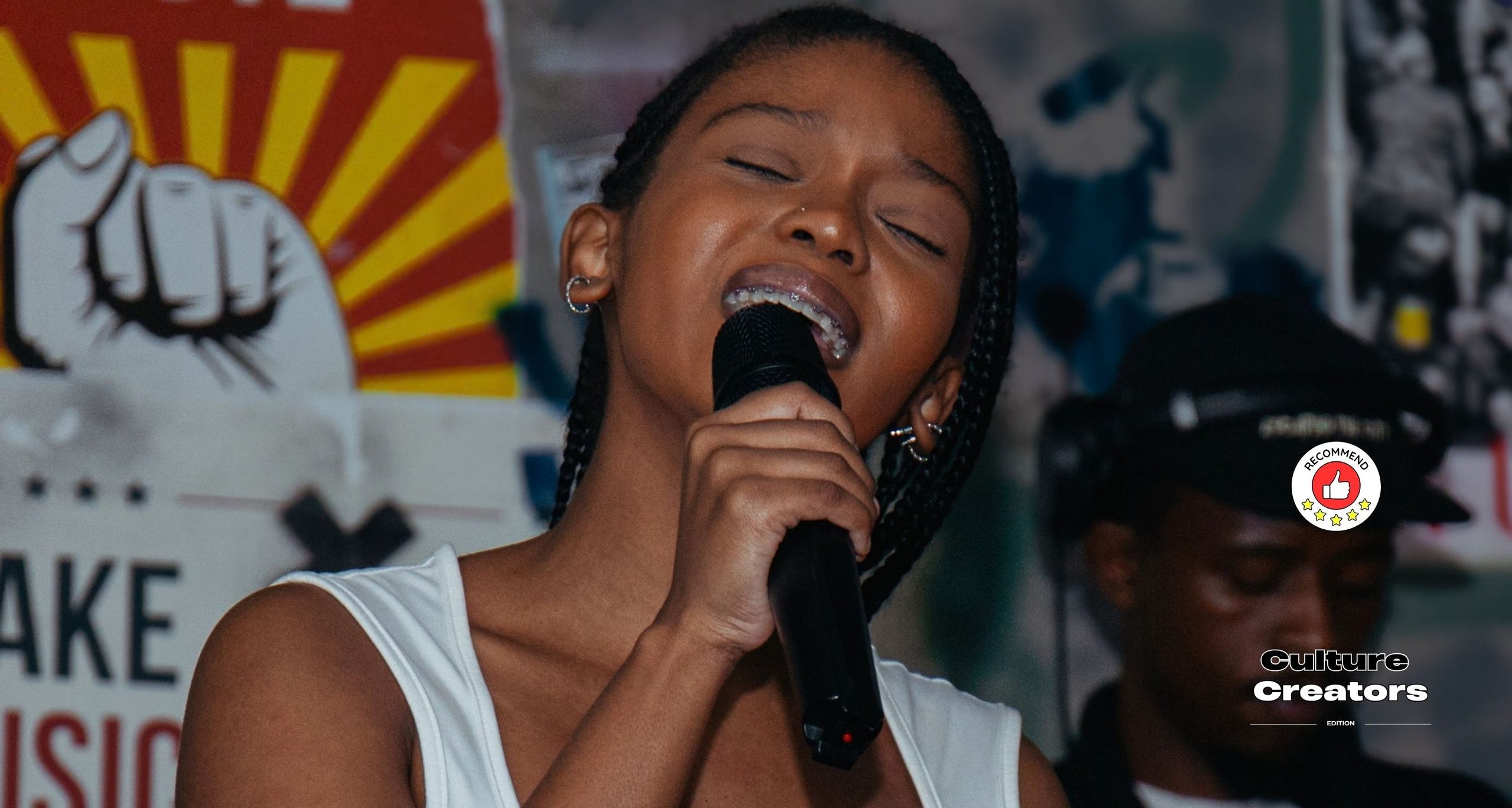
> I want people to feel seen. I think music can be a really powerful way of reminding someone that they’re not the only person who has experienced something. Whether it’s heartbreak, falling in love, confusion, longing or simply trying to understand yourself, I want my music to give people a space where they can sit with those emotions without feeling ashamed of them. I also want people to leave my music with something they can relate to. If someone hears one of my songs and thinks, “I’ve felt this before,” or it reminds them of a person, a moment or a chapter of their life, then I feel like I’ve done what I wanted to do.
This is where music becomes more than entertainment. A song can become a memory. It can become a timestamp. It can remind you of someone you loved, someone you lost, somewhere you used to be, or a version of yourself you have not thought about in years.
Lola wants to create that kind of connection, music that gives people permission to sit with what they feel rather than immediately trying to escape it.
In a culture increasingly dominated by speed, distraction, and constant digital noise, there is something quietly powerful about making music that asks people to ”feel something properly”. Every emerging creative eventually encounters the same uncomfortable question: ‘Am I moving fast enough’?
Lola has had to confront it too.
06 — Every artist has moments that shape the way they work. What has been one of the biggest challenges or lessons in your journey so far, and how has it changed the artist you are becoming?
> One of the biggest lessons I’ve had to learn is that there is no single timeline for becoming an artist. It can be easy to look at other people and feel like you’re behind, especially when you’re watching people achieve things that you’re still working towards. I’ve had to learn patience and also learn to trust myself more. There have been moments where I’ve questioned whether I’m doing enough or whether people will actually connect with what I’m creating, but those moments have pushed me to become more intentional. I’m learning that building something meaningful takes time. I’d rather grow into an artist with a strong identity and a body of work I’m proud of than rush the process just to say I’ve made it somewhere.
For young creatives, founders and anyone building something from the ground up, there is an important idea here: ”Progress is not always visible.”
Sometimes the most important development is happening before the numbers arrive.
Before the audience grows. Before the recognition. Before the moment that makes everyone suddenly notice.
Lola is choosing to build identity before chasing arrival. That may mean the journey takes longer. But it also means she is thinking about what remains after the moment passes.
The next chapter is becoming larger than individual releases. Lola is thinking in projects, perspectives, and stories.

07 — Tell us about the work you are currently building. What projects, songs or ideas are exciting you right now, and what do you want this next chapter of Lola Soul to say about you?
> Right now, I’m focused on building Lola Soul beyond just individual songs. I’m working towards projects that tell bigger stories and allow me to explore different perspectives. One of the concepts I’m especially excited about is a two-part EP project. The first volume focuses on women and their experiences with love. The second volume flips the perspective and focuses on men and their experiences with love. The idea is to show that love can look completely different depending on who is experiencing it. I want this next chapter to show growth, collaboration and a willingness to push the boundaries of what people expect from me as a South African R&B artist.
The two-part concept fits naturally into an artist who has already shown an interest in perspective. Love is rarely one story.
It changes depending on the person experiencing it, the relationship they are in, their history, their expectations, and the things they are still trying to understand about themselves.
For Lola, that complexity becomes creative territory. The next stage of her career is therefore not simply about producing more music. It is about building a body of work with something to say.
08 — Beyond streams, followers and recognition, what does a successful music career look like to you? What are you ultimately trying to build with your music and your name?
> Success to me is bigger than numbers. Of course, I want the streams, the audience and the recognition, but ultimately I want to build a career that has longevity. I want Lola Soul to become a name that people associate with quality, honesty and emotion. I want to be able to create music that travels outside of South Africa while still being proud of the place it came from. I also want to create opportunities for collaboration and connection. I want my music to open doors, not only for me but eventually for other artists who are trying to find their way too. If I can look back one day and know that I stayed true to myself, built something meaningful and created music that genuinely affected people, I would consider that success.
There is ambition in that answer, but it is not ambition for visibility alone. It is ambition for longevity. Lola wants the music to travel, but she does not want the journey to require her to disconnect from where she came from.
That is an increasingly relevant ambition for African creatives working in global spaces, to be international without becoming culturally anonymous.
And perhaps more importantly, she wants whatever she builds to eventually create room for somebody else. The artist she is becoming can perhaps be understood by imagining the girl she once was.
The girl who had not yet released a song. The girl who had not yet experienced the uncertainty that comes with putting your work into the world. The girl who was simply beginning to dream.

09 — If you could sit across the table from the younger version of yourself, the girl who was only beginning to dream about music — what would you tell her today?
> I would tell her not to be afraid of starting before she feels ready. You’re going to doubt yourself. You’re going to compare yourself to other people. There will be moments where you wonder if you’re good enough or if anyone is listening. But that doesn’t mean you should stop. I would tell her to trust her own voice and to understand that she doesn’t have to become someone else to be worthy of being heard. Keep learning, keep creating and keep showing up. The version of you that you’re waiting to become is built through every small step you take now.
The version of you that you’re waiting to become is built through every small step you take now. It is advice that belongs far beyond music. Every creative career begins before there is certainty.
Every meaningful body of work begins before there is an audience. And almost every person building something ambitious eventually has to decide whether they are willing to begin before they feel completely ready.
Lola’s answer is simple: Start anyway.
Culture Curators is about people who do more than observe culture. It is about people actively contributing to what culture becomes next. Lola’s ambitions fit naturally into that conversation.
10 — Culture Creators is about people who help shape culture rather than simply follow it. When you look at the future of African music and entertainment, what do you want your contribution to be, and what is the dream you are still brave enough to chase?
> I want my contribution to be showing that African artists can take the genres they love, reinterpret them through their own experiences and create something that can exist both locally and globally. For me, R&B and Neo-Soul are deeply connected to my identity because of the music I grew up listening to and the music that got me through different stages of my development as an individual but I also want to bring my own South African perspective into those sounds. I want people to hear my music and know that it came from somewhere specific, while still being able to see themselves in it. The dream I’m still brave enough to chase is taking Lola Soul beyond borders. I want to perform internationally, collaborate with artists from different parts of the world and build a body of work that lasts beyond a moment or a trend. More than anything, I want to prove to myself that I can build the career I’ve imagined. I’m still at the beginning, but I’m brave enough to believe that there is a much bigger version of Lola Soul waiting to be created.
That final idea feels like the natural place to leave Lola Soul, not at the end of the story, but at the beginning of something much larger. She is not presenting herself as an artist who has already figured everything out.
She is presenting herself as an artist willing to learn, experiment, create, and continue. And perhaps that is what makes the story compelling. The ambition is global. The foundation is South African. The influences are international. The voice is becoming her own.
The Culture Creator’s Takeaway
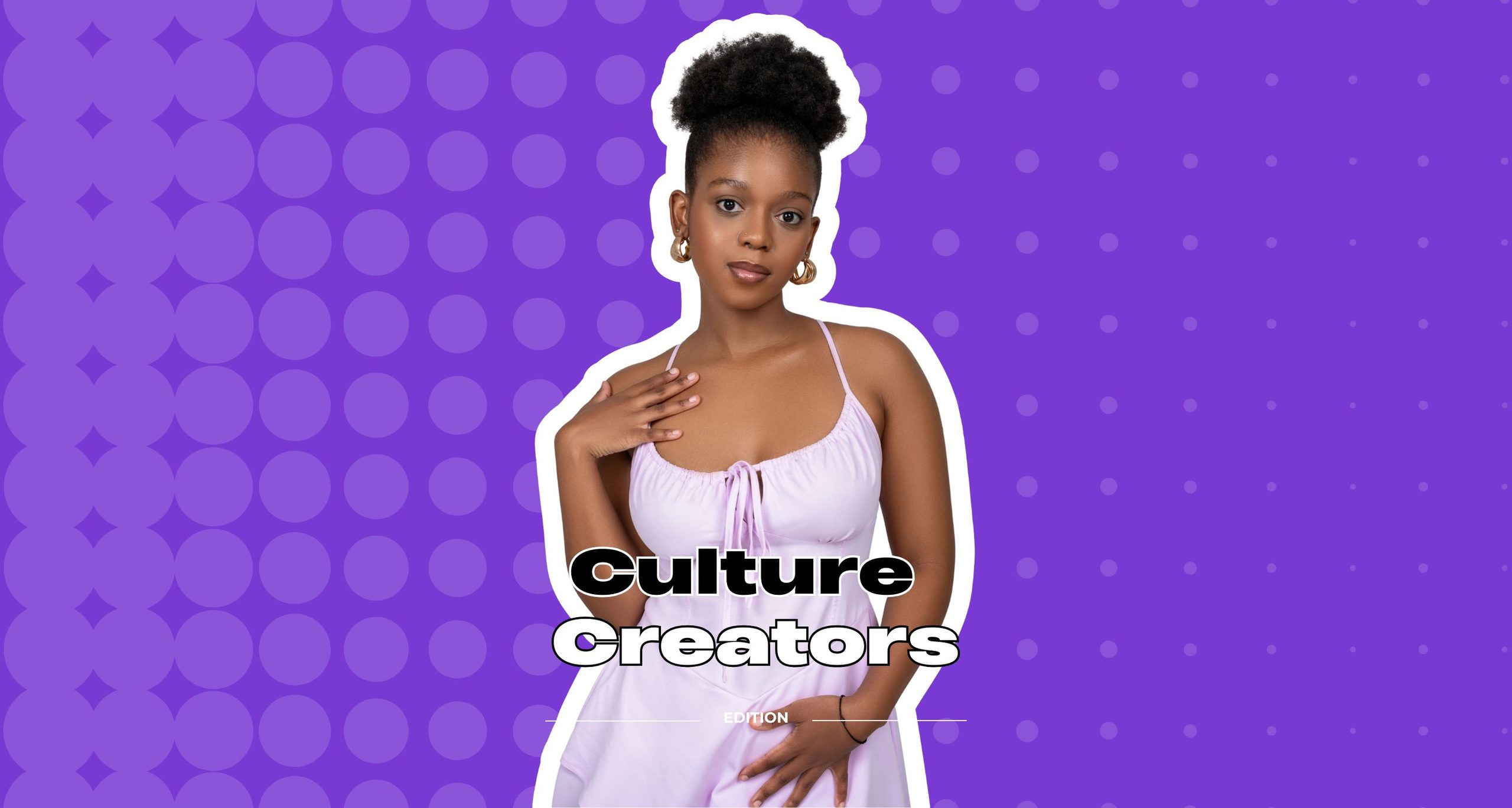
Lola Soul’s journey offers a few lessons that extend beyond music. Start before you feel completely ready. Her journey began with experimentation, not certainty. Let your influences inform you without defining you. The music that shaped Lola is still present, but she is reinterpreting it through her own environment and identity.
Build something deeper than a moment. Her focus on longevity reflects an ambition to create work that can remain meaningful beyond a trend or release cycle.
Do not confuse somebody else’s timeline with your own. Lola’s experience of comparison has reinforced the importance of patience and intentional growth. Make people feel something. Whether you are an artist, founder, business owner, or creative, meaningful work ultimately creates a connection between what you make and the people experiencing it.
The best interviews do not simply give us information about a person. They give us a way of understanding them. In Lola Soul’s case, that understanding begins with music playing through a Durban home on Sundays and extends towards a future she hopes will take her far beyond South Africa. There is a thread running through the entire story: ”identity”.
Who you are. Where you come from. What shaped you? What you choose to carry forward. And what you decide to make your own. Lola Soul is one of the voices we are watching as she continues to find her sound, develop her stories, and build the next chapter of her journey.
—


We at SFI.COZA think that stories have the ability to educate, uplift, and unite people. As a sociable and committed editor, we work hard to provide rich media coverage that connects with our audience. Our ambition to positively touch our audience's lives, one article at a time, is equal to our enthusiasm for storytelling. Come along on this adventure with us as we explore the planet.



Leave a Reply