


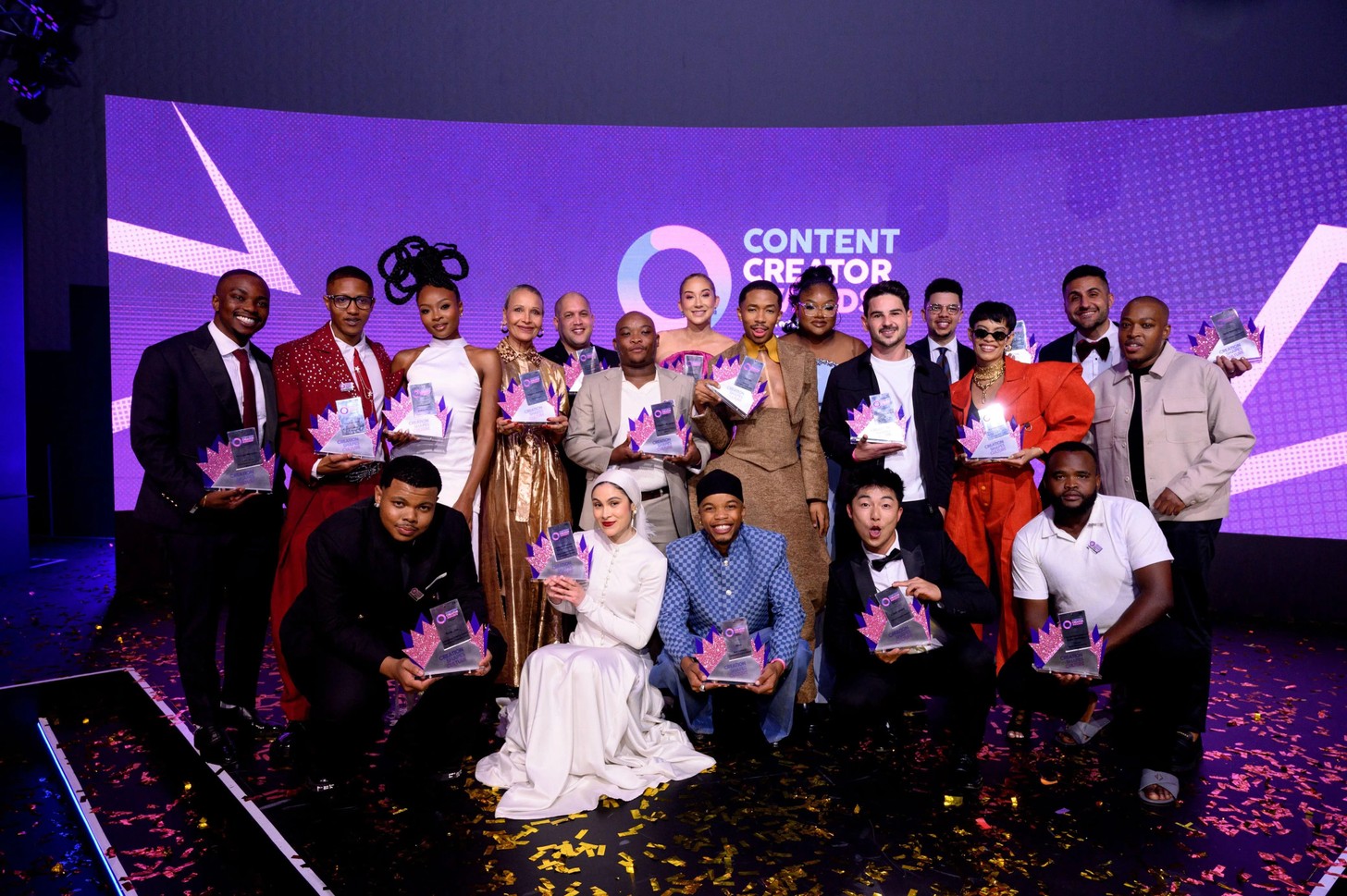
The internet has given an entire generation a new way to build a career, express ideas and create opportunities that once required a traditional employer’s approval. Today, a person with a smartphone, a compelling story, and a willingness to learn can begin building a digital presence from almost anywhere in South Africa.
But becoming a successful content creator involves more than posting a video, accumulating followers and hoping a brand eventually slides into your direct messages.
It requires a combination of creativity, strategy, consistency, business awareness and something we believe is becoming increasingly valuable in the digital age: trust.
Think about it. We have more content available to us than we could realistically consume in a lifetime. There are videos explaining how to build a business, creators documenting their fitness journeys, photographers capturing African street culture, podcasters discussing relationships, and writers exploring everything from money to music. Yet only a fraction of that content genuinely stays with us.
Why?
Because the creators we remember give us something beyond the content itself. They offer a perspective, a useful lesson, a feeling of recognition or a reason to return.
At SFI.COZA, we see content creation as part of a broader cultural and economic shift. Young Africans are not simply consuming digital culture; they are documenting it, shaping conversations, building businesses, and creating new ways for their talents to reach the world.
The opportunity is real, but so is the work behind it. If you are interested in becoming a content creator in South Africa, whether as a side hustle, a creative outlet or a full-time career, these seven steps will help you approach the journey with greater clarity.
How to Become a Successful Content Creator in South Africa: 7 Steps to Build Your Brand and Earn Share on XWhat does a content creator do?
A content creator develops and publishes material designed to inform, educate, entertain, inspire or influence a particular audience. This material can include short-form videos, long-form YouTube content, articles, photography, podcasts, graphics, newsletters and social media posts.
A professional content creator may also research subjects, write scripts, edit footage, manage social media accounts, optimise content for search engines, study analytics and negotiate commercial partnerships.
In practice, the role often combines several professions: storyteller, researcher, creative producer, marketer and, eventually, business owner.
The difference between someone who occasionally posts online and someone building a content business is not necessarily the quality of their equipment or the size of their audience. It is the intention behind their work and the system they build around it.
How to Become a Successful Content Creator in South Africa: 7 Steps to Build Your Brand and Earn Share on XThe 7 steps to becoming a successful content creator
Step 1: Find your niche, but do not make your personality smaller
One of the first decisions you will make as a content creator is what you want to be known for.
This sounds straightforward until you begin thinking about everything that interests you. Perhaps you love fashion, entrepreneurship, music, fitness, personal development, travel and technology. You might even have opinions about all of them.
The temptation is to post everything, everywhere, all at once.
The problem is that an audience needs a reason to understand your page. If someone discovers you through a thoughtful video about starting a business in Johannesburg, what would make them return tomorrow? What should they expect from you?
Your niche provides that initial clarity.
How to choose a content creation niche
Start by identifying the intersection of three things:
- Interest: What could you discuss, explore or create around consistently?
- Knowledge: What do you understand, have experience with or genuinely want to learn?
- Audience value: What questions, problems or interests could your content address?
For example, a person interested in fashion might build a page around affordable South African style, rather than trying to compete with every fashion account on the internet.
A musician could document the creative process behind producing music independently. A university student could share practical lessons about entering the job market. Someone interested in food could explore independent restaurants, local chefs and South African culinary culture.
Notice that these ideas have something in common: they are specific enough to attract an audience, but broad enough to develop over time.
Your niche is your starting point, not a life sentence.
As your interests and audience evolve, your content can evolve too. The objective is to give people a recognisable reason to pay attention while leaving yourself enough room to grow.
A useful exercise
Complete this sentence:
I create content for people who want to understand, experience or achieve ______, through my perspective on ______.
If your answer feels meaningful to you and useful to someone else, you have the beginning of a content strategy.
How to Become a Successful Content Creator in South Africa: 7 Steps to Build Your Brand and Earn Share on XStep 2: Choose the right platforms and understand what each one does best

courtesy of ugclatam
Not every platform serves the same purpose. Choosing where to publish should depend on the content you want to create and the people you want to reach.
You do not need to establish a presence on every platform in your first month. In fact, trying to manage five social media accounts before understanding one is an excellent way to become exhausted with very little to show for it.
Start with one primary platform and, if practical, one supporting channel.
| Platform | Best suited to | Opportunity |
|---|---|---|
| TikTok | Short videos, entertainment, commentary and discovery | Reach new audiences through compelling video |
| Reels, photography, fashion, lifestyle and community | Build a recognisable visual identity and brand relationships | |
| YouTube | Tutorials, documentaries, reviews, video essays and entertainment | Develop searchable content and potential advertising revenue |
| Careers, business, professional insights and entrepreneurship | Build credibility and attract professional opportunities | |
| Website or blog | Articles, guides, reviews and original research | Build a searchable content library and create opportunities beyond social media |
| Podcast platforms | Interviews, storytelling and in-depth conversations | Build a loyal audience around your voice and ideas |
These platforms overlap, but their strengths differ. Your decision should reflect your format, audience and commercial goals.
For example, a photographer might use Instagram to showcase their work, LinkedIn to connect with corporate clients, and a personal website to display a professional portfolio.
A creator who enjoys explaining complex subjects might publish long-form YouTube videos, then turn useful sections into short clips for discovery.
The key is to create one strong piece of content and distribute it intelligently, rather than constantly inventing unrelated material for different platforms.
Do not confuse reach with ownership
Social platforms can introduce your work to thousands of people. However, your relationship with those people remains partly dependent on a company’s algorithms, policies and business decisions.
A website, email newsletter or subscriber list gives you another way to maintain a connection with your audience.
You do not need to build all of these immediately. Just understand that building a following and building a sustainable creative business are related, but different, objectives.
How to Become a Successful Content Creator in South Africa: 7 Steps to Build Your Brand and Earn Share on XStep 3: Develop the skills that make people want to watch, read or listen

courtesy of kudoflix
You do not need a degree in media studies to become a content creator. You do, however, need to develop skills that help you turn ideas into content people find worthwhile.
The good news is that most of these skills can be learned through practice, accessible online resources and deliberate experimentation.
What skills do you need to become a content creator?
1. Storytelling
Storytelling is the ability to organise information into something people can follow and care about.
Even an educational video benefits from a clear beginning, a developing idea and a satisfying conclusion. A strong opening establishes a reason to keep watching. The middle delivers the promised value. The ending leaves the audience with a useful takeaway.
You do not need dramatic music or an unnecessarily emotional backstory. You need a clear idea presented in a compelling way.
2. Writing and communication
Whether you are speaking to a camera, writing an Instagram caption or recording a podcast, communication matters.
Learn to explain things simply without making them simplistic. Replace vague statements with specific examples. If you are discussing personal finance, for instance, explain what a budgeting decision might look like for someone earning an entry-level salary in South Africa.
Specificity makes information easier to understand and remember.
3. Photography, filming and editing
Learn basic lighting, framing, composition, sound recording and editing.
Tools such as Canva, CapCut, DaVinci Resolve and smartphone editing applications can help beginners produce useful work without immediately investing in expensive equipment. Features, pricing and availability vary, so choose tools that fit your budget and workflow.
Start with what you have. Poor audio can undermine a well-written video, while a simple, well-lit shot can look professional without an elaborate studio.
4. Research and fact-checking
A creator’s credibility depends partly on their willingness to verify information.
Before making claims about business, health, money, careers or public figures, consult reliable sources. Distinguish between personal opinion, documented facts and speculation. Correct errors when they occur.
Being confident on camera is not the same as being correct.
5. Search engine optimisation and platform literacy
Learn how people discover content. This includes researching search terms, writing descriptive headlines, understanding audience questions, creating useful captions and making content easy to navigate.
For website publishers, Google’s guidance on helpful, reliable, people-first content is a valuable starting point. It emphasises original value, clear authorship, expertise and creating content for people rather than simply chasing rankings.
6. Analytics and business communication
A creator should understand basic performance indicators, including views, watch time, audience retention, saves, shares, click-through rates and conversions.
The relevant metrics depend on your goal. A video designed to generate sales should not be evaluated in precisely the same way as a documentary intended to build awareness.
You should also learn to write professional emails, prepare proposals, communicate deadlines and negotiate fees.
7. Consistency and adaptability
Creativity is valuable, but reliability makes it easier for people to work with you.
Build a routine you can maintain around your studies, job, family commitments or other responsibilities. Review what works, improve what does not and allow your style to develop.
You do not need to master every skill before publishing your first piece. You need enough skill to begin responsibly, and the willingness to improve.
How to Become a Successful Content Creator in South Africa: 7 Steps to Build Your Brand and Earn Share on XStep 4: Create content that solves a problem, answers a question or makes someone feel understood

Here is an uncomfortable truth about the internet: your audience does not owe you its attention.
You may have spent six hours editing a video. You may have written the most insightful caption of your career. You may genuinely believe your idea deserves to be seen. But the person scrolling through their phone does not know any of that.
They encounter the finished piece and make a decision within moments about whether it is worth their time. This is why successful content begins with the audience, not simply the creator’s desire to publish.
Before producing anything, ask yourself:
- What question am I answering?
- What will someone learn, feel or understand after engaging with this?
- Why would they choose this content over the alternatives?
- Is there a clear reason to watch until the end or read the entire article?
Four content pillars worth exploring
Educational content: Teach a skill, explain an unfamiliar concept or simplify a complicated process.
Entertaining content: Use humour, commentary, relatable situations or compelling storytelling to make people want to engage.
Inspirational content: Share meaningful progress, lessons from failure, creative journeys or realistic accounts of personal development.
Community-focused content: Highlight local businesses, emerging artists, neighbourhood culture, important conversations and people whose stories deserve attention.
For South African creators, the opportunities to tell locally relevant stories are substantial. You could explain how independent musicians distribute their work, document the realities of starting a small business, explore emerging fashion designers or interview young professionals about their career journeys.
Your location is not a limitation you must overcome before you can begin creating. It can be a source of perspective that audiences elsewhere may not encounter through mainstream media.
Make your content specific enough to be memorable
Compare these two video ideas:
- “5 tips for success.”
- “5 things I would do differently if I were starting my first business in Cape Town at 23.”
The second idea establishes a context, an audience and a clear promise. It gives the creator room to share actual observations rather than repeating generic advice.
The same principle applies to humour. Often, the most relatable content comes from noticing something very specific about ordinary life.
A creator discussing job applications could joke about spending two hours perfecting a CV for a vacancy that requires three years of experience for an entry-level salary. Someone making lifestyle content could explore the difference between a carefully curated morning routine and the reality of trying to find matching socks before work.
The humour works because the details feel familiar. Do not manufacture a personality for the algorithm. Develop a perspective people can recognise as yours.
Build trust through the small things
Trust is not established by declaring yourself authentic. It develops when your actions repeatedly support that claim.
If you promise a tutorial, make it useful. If you recommend a product, explain your experience and disclose relevant commercial relationships. If you discuss a subject you are still learning, be honest about the limits of your knowledge.
When you make a mistake, correct it rather than quietly hoping nobody notices.
This approach reflects Google’s emphasis on clear authorship, transparency and people-first content. The long-term value of a creator is not simply how many people they can reach once. It is whether people have a reason to trust them again.
How to Become a Successful Content Creator in South Africa: 7 Steps to Build Your Brand and Earn Share on XStep 5: Build a recognisable personal brand and a genuine community

courtesy of alexisreneaphotography
Your personal brand is the impression people develop through your work, communication, values and consistency.
It is not just a logo, a carefully chosen colour palette or an Instagram biography that describes you as a visionary.
Those details can help, but the substance comes from what you repeatedly demonstrate.
Think about the creators you admire. You probably recognise their style, the subjects they discuss, the way they explain things or the kinds of people they introduce you to. Their identity has become familiar through repeated exposure.
That familiarity is built deliberately.
How to build your personal brand
Define your positioning. Decide what you want to be known for and who your work serves. Develop a recognisable style. This might involve your visual aesthetic, editing approach, writing voice, sense of humour or interview format.
Make your profile useful. Explain what you create, who it is for and where people can find your best work.
Show your process. Share research, preparation, behind-the-scenes moments and lessons learned where appropriate. People often appreciate understanding how the finished product came together.
Engage meaningfully. Respond to genuine questions, acknowledge useful feedback and participate in relevant conversations.
Protect your reputation. Avoid promoting products you do not believe in simply because a payment is available. Your audience’s trust is an asset that takes time to establish and can be damaged quickly.
Why community matters more than vanity metrics
Imagine two creators. The first has 30,000 followers, but very few people interact meaningfully with their work.
The second has 3,000 followers who regularly watch their videos, recommend their services, attend their events and purchase products they genuinely find useful. Neither follower count tells the entire story, but the second creator may have a stronger commercial relationship with their audience.
This is why engagement, audience relevance, repeat attention and trust matter alongside reach.
For African creators, community can also become a route to collaboration. Photographers can work with stylists. Musicians can collaborate with filmmakers. Writers can interview founders. Designers can connect with independent retailers.
You do not need to build everything alone. A thoughtful collaboration can introduce your work to a relevant audience while creating something neither creator could have produced as effectively in isolation.
How to Become a Successful Content Creator in South Africa: 7 Steps to Build Your Brand and Earn Share on XStep 6: Learn how content creators get paid and treat your work like a business

courtesy of tryspansa
Let’s discuss the question many aspiring creators eventually ask: when does the content start making money?
The answer depends on what you create, who your audience is, the value you provide and the business model you choose.
Some creators earn money relatively early through freelance services. Others spend months developing an audience before securing their first paid partnership. Some generate revenue through several channels, while others never turn their content into a significant source of income.
There is no guaranteed timeline. The important distinction is that building an audience is one business activity; monetising your skills and attention is another.
How do content creators get paid?
There are several established ways to earn income from content creation.
| Income stream | How it works | Example |
|---|---|---|
| Brand partnerships | A business pays you to feature or discuss its product or service | A fashion brand commissions a styled video |
| Sponsored content | A company pays for a clearly disclosed promotional article, video or post | A technology company sponsors a product explainer |
| Advertising revenue | An eligible platform shares advertising revenue with a creator | Monetised YouTube videos |
| Affiliate marketing | You earn a commission when someone makes a qualifying purchase through your link or code | Recommending equipment you genuinely use |
| Freelance content services | Clients pay you to create content for their own channels | Filming Reels for a restaurant |
| Digital products | You sell resources you have created | Templates, guides, presets or online courses |
| Memberships and subscriptions | Supporters pay for eligible exclusive content or community access | A paid newsletter or creator membership |
| Events, workshops and speaking | You earn fees from teaching, presenting or hosting | A photography workshop |
Platform monetisation is subject to eligibility rules, supported countries, payment arrangements and changing programme policies. Do not assume that every platform pays creators simply for uploading content or accumulating followers.
For example, review the official YouTube Partner Programme eligibility requirements before building a business plan around advertising revenue.
You do not need millions of followers to earn money
Consider a freelance videographer who creates short promotional videos for local restaurants. Their client pays for the production work, regardless of whether the videographer has a large personal following.
Or consider a writer who publishes useful articles and develops a portfolio. They may secure commissioned writing projects, sponsored editorial work or contracts with businesses that need content for their own websites.
These are content-related careers even if the creators are not internet celebrities.
For some beginners, selling a clearly defined creative service can be a more direct first income opportunity than waiting to qualify for platform advertising.
Start with a simple commercial offer
If you are ready to approach potential clients, define what you can deliver.
For example:
- Three short-form videos for a local business.
- A set of professionally edited product photographs.
- A sponsored educational video with a clearly identified audience.
- A monthly content package with agreed deliverables.
- An original article, interview or newsletter sponsorship.
Explain what is included, the delivery date, the number of revisions, where the content will be published and whether the client can reuse it in paid advertising.
Do not charge only for the minutes it takes to make a post. Consider the research, preparation, equipment, editing, expertise, audience access, usage rights and business value involved.
Your price should reflect the actual scope of work. You should also understand the difference between creating content for a brand’s channels and publishing sponsored content to your own audience. The two services can have different pricing structures.
How to Become a Successful Content Creator in South Africa: 7 Steps to Build Your Brand and Earn Share on XStep 7: Understand South African content creator earnings and build a sustainable income

South Africa’s creator economy offers opportunities, but it is important to approach earnings with realistic expectations.
Online discussions can make content creation appear more lucrative and predictable than it is. A creator may post about receiving a brand deal worth thousands of rand without explaining the months of work behind it, the costs involved or whether the payment will be repeated.
A more useful question is not simply how much a creator can earn from one campaign. It is how they can build a business that generates income consistently.
How to Become a Successful Content Creator in South Africa: 7 Steps to Build Your Brand and Earn Share on XHow much do South African content creators earn?
There is no single standard salary for a content creator in South Africa. Earnings vary depending on whether someone works as a salaried employee, freelancer, influencer, videographer, writer or independent publisher.
One useful local reference is Humanz’s Paid to Create: The South African Creator Economy 2026 report, published on 2 September 2026. It draws on a survey of nearly 1,200 South African creators, including 243 verified paid creators, alongside a sample of more than R100 million in payments processed through its platform over twelve months. The figures therefore describe a particular research sample and platform, not every creator in the country.
Its findings offer a useful reality check:
- Many creators earn relatively little: Among paid creators surveyed, 55% reported earning under R5,000 a month from content across all sources.
- Repeat work matters: The report found that median annual earnings from Humanz campaigns alone rose from approximately R10,000 among creators at the lower end of campaign activity to R167,000 among those paid on eight or more campaigns in a year.
- Income can be unpredictable: More than half of the surveyed creators who received one paid campaign did not receive a second during that year.
- Higher earnings are possible, but not typical: Some creators in the sample earned more than R360,000 over a year through Humanz campaigns alone.
These are reported findings, not guaranteed outcomes or a national average salary. The figures also refer to campaign earnings through one platform, rather than necessarily representing total take-home income after expenses and tax.
The practical lesson is clear: one paid collaboration is a milestone; a repeatable source of income is a business.
How to Become a Successful Content Creator in South Africa: 7 Steps to Build Your Brand and Earn Share on XWhat determines how much a creator can charge?
Several factors influence commercial rates:
- Audience relevance: A smaller audience that closely matches a brand’s target customer may be more valuable than a larger, less relevant one.
- Engagement and trust: Genuine audience interest can make a creator’s recommendation more meaningful.
- Production quality: Research, scripting, filming, editing and professional delivery all require skill and time.
- Content format: A complex video campaign may require considerably more work than a single image post.
- Usage rights: A brand using your video in paid advertising may require additional licensing beyond the original publication.
- Exclusivity: An agreement preventing you from working with competing brands can limit other commercial opportunities.
- Track record: Reliable delivery, clear reporting and repeat bookings can strengthen your negotiating position.
Do not choose your rates by copying a creator with a different audience, workload or commercial arrangement.
Instead, calculate your costs, estimate the time required, understand the value of the deliverables and set a fee that makes the work commercially worthwhile.
A simple example of a creator’s income
Imagine a creator who secures the following work in one month:
| Activity | Illustrative revenue |
|---|---|
| Two commissioned short-form videos at R2,000 each | R4,000 |
| One photography project | R2,500 |
| One sponsored content collaboration | R3,000 |
| Total gross revenue | R9,500 |
These are hypothetical figures for illustration, not an industry rate card or a promise of what beginners should expect to earn.
The R9,500 is gross revenue. It does not account for transport, equipment, data, software, subcontractors, taxes or other business expenses.
The exercise demonstrates an important principle: income can come from combining several services rather than relying on one viral post.
How to Become a Successful Content Creator in South Africa: 7 Steps to Build Your Brand and Earn Share on XMake your income more predictable
Once you begin earning, consider these practical steps:
- Create a portfolio. Show your strongest work, explain what you delivered and include genuine results where available.
- Pitch relevant businesses. Approach brands whose audiences, products and values align with your work.
- Offer repeatable packages. A monthly content agreement can provide more predictable income than isolated projects.
- Agree on payment terms. Confirm fees, deposits where appropriate, deadlines, revisions, cancellation terms and payment dates in writing.
- Track business finances. Record income and expenses, maintain appropriate tax records and set aside money for tax obligations.
- Diversify sensibly. Explore more than one income stream without spreading yourself so thinly that your core work suffers.
- Review your results. Identify which clients, formats and services generate the strongest combination of income, audience value and sustainable workload.
For South African creators, the South African Revenue Service (SARS) is the appropriate starting point for current tax guidance. Your obligations depend on your circumstances, and it is worth getting professional advice as your business grows.
The objective is not to monetise every aspect of your life. It is to build a creative practice that pays fairly for your work and can survive beyond a single successful campaign.
How to Become a Successful Content Creator in South Africa: 7 Steps to Build Your Brand and Earn Share on XWhat should a beginner content creator do in their first 30 days?
Knowing the seven steps is useful. Turning them into a routine is what moves you forward.
Here is a practical four-week plan you can adapt around your existing commitments.
Week 1: Define your direction
Choose a niche, identify your intended audience, review relevant creators and select one primary platform. Write down three content pillars and brainstorm ten ideas.
Week 2: Publish your first work
Produce and publish two or three pieces of content. Focus on clear communication, useful ideas and decent sound and lighting. Learn the basic editing tools you need.
Week 3: Listen and improve
Review audience responses, identify which topics resonate and ask relevant questions. Experiment with different hooks, formats or storytelling approaches without changing everything at once.
Week 4: Build the foundation for growth
Select your best work for a simple portfolio. Identify five relevant businesses, clients or potential collaborators. If you are ready, send a thoughtful pitch for a clearly defined service.
At the end of the month, assess what you have learned rather than judging your future by your follower count.
Did you publish consistently? Did your communication improve? Did you discover a topic people genuinely care about? Can you explain what you offer and who might pay for it? Those are meaningful early indicators of progress.
How to Become a Successful Content Creator in South Africa: 7 Steps to Build Your Brand and Earn Share on XCommon mistakes new content creators should avoid
The early stages of content creation can be exciting, but a few habits can make the journey unnecessarily difficult.
Waiting for perfect equipment. You can learn a great deal with a smartphone and free or affordable editing tools. Upgrade when your work and budget justify it. Copying trends without adding a perspective. Trends can introduce people to your work, but imitation alone makes it harder to build a recognisable identity.
Chasing every platform. A sustainable publishing routine on one platform is often more useful than an inconsistent presence on six. Buying followers or engagement. Inflated metrics do not create genuine audience relationships and can undermine your credibility with potential clients.
Expecting immediate income. Build your skills, portfolio and commercial offer while developing your audience. Do not assume that views will automatically translate into payments.
Accepting every brand deal. Poorly matched promotions can damage the relationship you have worked to establish with your audience.
Ignoring contracts and usage rights. Clarify what you are producing, where it will appear, how long the client can use it and whether paid advertising or exclusivity is included.
Treating burnout as proof of ambition. You do not have to publish every day to be serious about your craft. A realistic schedule that you can maintain is more useful than an intense routine you abandon after two weeks.
How to Become a Successful Content Creator in South Africa: 7 Steps to Build Your Brand and Earn Share on XAfrica does not just need more content. It needs more original voices.
There is an important difference between being visible and being valuable.
Visibility helps people discover your work. Value gives them a reason to stay.
For young South Africans and other aspiring African creatives, content creation can provide a route into entrepreneurship, employment, cultural production and professional collaboration. It can help an emerging artist reach listeners, a small business find customers, a writer develop an independent publication or a young professional demonstrate skills to potential employers.
But the opportunity is not simply to produce more material for an already crowded internet.
It is to produce work that reflects the world around us with greater depth, creativity and honesty.
That might mean documenting the people building businesses in townships, interviewing musicians who are developing new sounds, explaining complicated career decisions, exploring African design or creating educational resources that make knowledge more accessible.
These are not merely content ideas. They are ways of making our experiences, expertise and creativity more visible.
For SFI.COZA, we believe digital media has a role to play in bringing people, culture, ideas and stories closer together. The most interesting creators are often those who understand that their work can entertain people while also helping them see something differently.
You do not need to wait until you have a perfect camera, a large following or a brand partnership to begin.
Start with what you know. Research what you do not. Publish work that has a purpose. Listen to the people who engage with it. Learn how to communicate your value, and give yourself enough time to improve.
The first version of your work may not resemble the person you hope to become. That is perfectly reasonable. Every capable creator has to begin somewhere.
The challenge is to keep developing without losing sight of why you started. Your first goal is not to become famous. It is to become good enough, useful enough and consistent enough that people have a reason to come back.
And if you can turn that trust into a sustainable creative practice, you are building something far more valuable than a collection of posts. You are building a body of work.
Editorial sources and further reading
These sources support the article’s guidance on people-first publishing, platform monetisation and South African creator earnings.
- Google Search Central — Creating Helpful, Reliable, People-First Content. Guidance on original value, trust, authorship and useful content. Google for Developers+1
- Humanz — Paid to Create: The South African Creator Economy 2026. Research into creator earnings and paid brand collaborations in South Africa. Paid to Create
- YouTube Help — YouTube Partner Programme overview and eligibility. Official information on advertising monetisation requirements.
- South African Revenue Service — SARS official website. Tax information and guidance for individuals and businesses.
Editorial note: Earnings examples in this article are illustrative unless attributed to the cited research. Platform requirements, tax rules and monetisation policies may change; check the relevant official sources before making financial decisions.


We at SFI.COZA think that stories have the ability to educate, uplift, and unite people. As a sociable and committed editor, we work hard to provide rich media coverage that connects with our audience. Our ambition to positively touch our audience's lives, one article at a time, is equal to our enthusiasm for storytelling. Come along on this adventure with us as we explore the planet.






Leave a Reply