


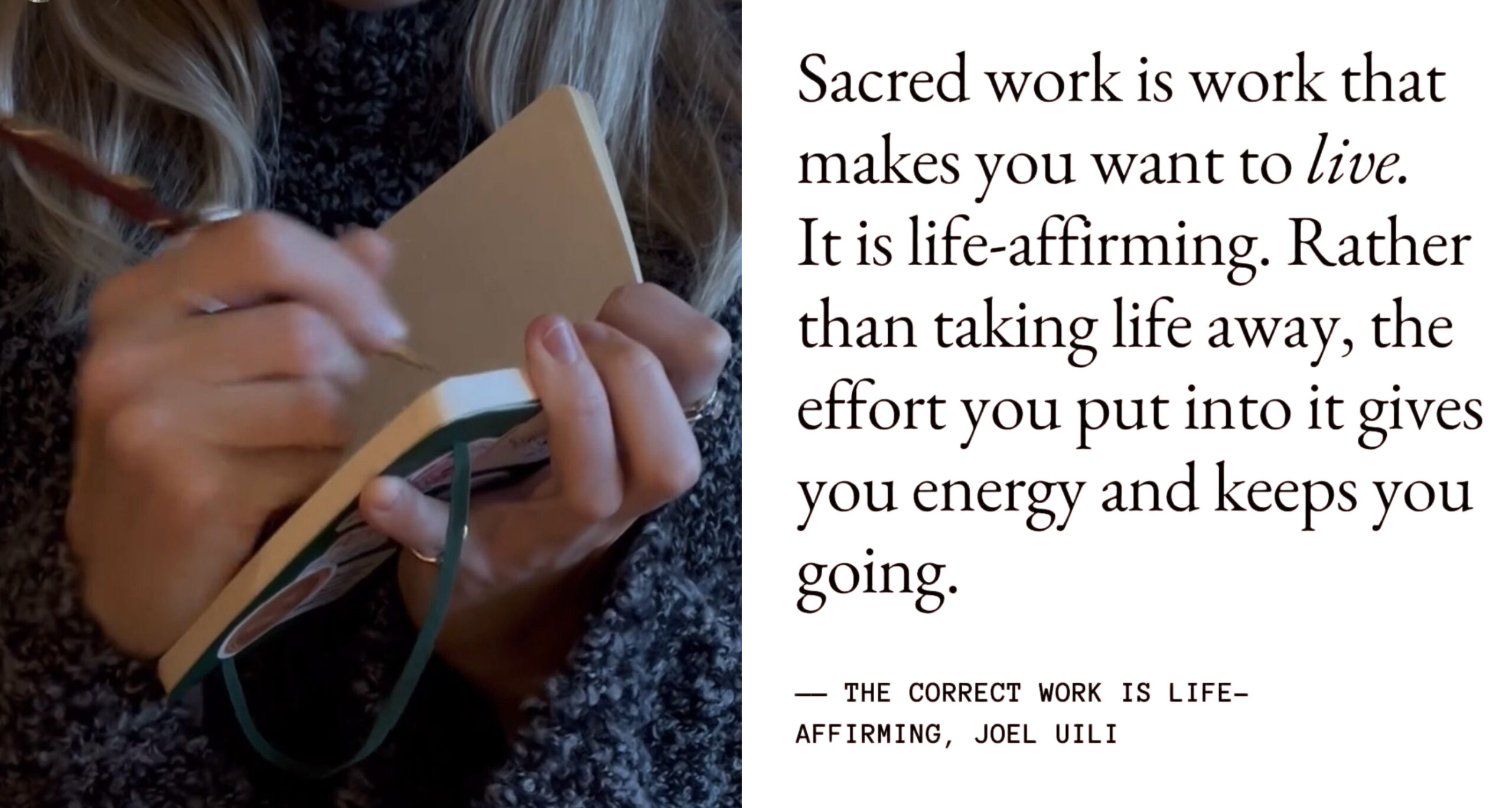
There is a particular kind of exhaustion that comes from having too many thoughts and absolutely no idea what to do with them.
You are thinking about work, replaying a conversation from three days ago, wondering whether your friend’s “I’m fine” actually means they are fine, and somehow planning your entire future while brushing your teeth. You have not even had breakfast, but your mind has already held three meetings and approved a crisis.
Welcome to being human.
This is where journaling can become surprisingly useful. Not because a notebook possesses supernatural wisdom, but because writing gives your thoughts somewhere to go besides around and around in your head.
At SFI.COZA, we believe that personal growth should feel practical, thoughtful and connected to real life. Understanding yourself is not simply about knowing your favourite colour, personality type or what your Spotify Wrapped says about your emotional stability. It means becoming more aware of what you feel, why you react in certain ways, what matters to you and which habits are helping or hindering the life you want to build.
Journaling offers a simple place to begin.
You do not need to be a writer. You do not need an expensive leather-bound notebook that looks as though it belongs to a philosopher in a European film. You do not need to wake up at 5 a.m., drink lemon water, and suddenly become the most disciplined person in your family.
You need a little time, some curiosity and a willingness to tell yourself the truth.
In this guide, we explore how to start journaling, what to write about, how to make the habit stick and how ordinary moments can reveal something meaningful about the person you are becoming.
How to Start Journaling: A Beginner’s Guide to Understanding Yourself Better Share on XWhat Is Journaling?

Journaling is the practice of recording your thoughts, feelings, experiences, questions, observations or goals in writing.
Unlike a traditional diary, which often records what happened during your day, journaling can explore what an experience meant to you, how you responded to it and what you might learn from it.
For example, a diary entry might say:
“I had a difficult meeting at work today.”
A journal entry might ask:
“Why did that meeting make me feel so defensive? Was I upset by the feedback itself, or did it touch an insecurity I have not addressed?”
The first records an event. The second investigates your response to it.
Both have value. But when your goal is self-understanding, that extra layer of reflection can help you recognize patterns you might otherwise overlook.
Journaling can take several forms:
- Reflective journaling: Exploring your experiences, choices and reactions.
- Gratitude journaling: Recording things you appreciate, from meaningful relationships to a genuinely excellent cup of coffee.
- Goal journaling: Clarifying priorities and tracking progress.
- Emotional journaling: Putting difficult or confusing feelings into words.
- Creative journaling: Collecting ideas, observations, memories, sketches and unfinished thoughts.
There is no universal formula. Your journal can change as your life changes. The important question is not whether you are journaling correctly. It is whether the practice is helping you pay closer attention to your own life.
How to Start Journaling: A Beginner’s Guide to Understanding Yourself Better Share on XWhy Journaling Can Help You Understand Yourself Better
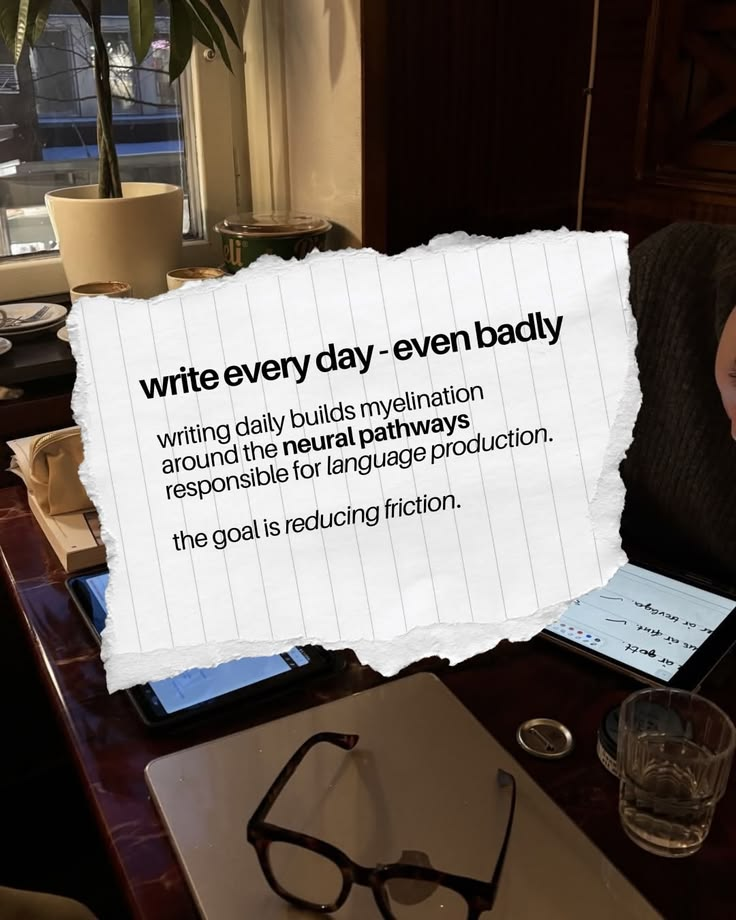
Self-awareness is easy to admire and considerably harder to practice.
Most of us can explain what we want to improve. We want to be more patient, communicate better, manage our money, protect our peace, stop procrastinating or become more confident. The challenge is identifying the everyday thoughts and behaviours that influence those ambitions.
Journaling creates an opportunity to examine those details.
1. It helps you understand what you are actually feeling
Sometimes, “I am stressed” is an incomplete explanation.
You might be disappointed because a project did not work out. You might be embarrassed because someone corrected you in front of others. You might be anxious because you have been avoiding a decision. Or you might simply be exhausted and interpreting every minor inconvenience as a personal attack.
These experiences can feel similar when they are all competing for space in your mind. Writing can help you distinguish between them.
Imagine that a friend cancels plans at the last minute. Your immediate reaction might be irritation. You might decide they do not value your time, leave their message unanswered and spend the evening feeling offended.
When you journal about the situation, you might discover something more complicated: you were looking forward to the plans because the week had been lonely. The cancellation disappointed you more than you expected, and the disappointment turned into anger.
That does not mean your friend was necessarily right to cancel. It means you now understand more about your own reaction.
Try asking yourself:
- What am I feeling right now?
- What happened immediately before I felt this way?
- What part of this situation is bothering me most?
- What do I need: rest, reassurance, clarity, space or a conversation?
Naming an emotion does not automatically resolve it, but it can give you a clearer starting point.
2. It helps you recognize patterns in your behaviour
One difficult afternoon may not reveal much about your habits. A dozen similar afternoons might.
Perhaps you repeatedly agree to things you do not have time for. Perhaps you become withdrawn whenever you feel criticised. Maybe you spend money when you are bored, delay important tasks when you feel overwhelmed or avoid conversations because you fear disappointing people.
These behaviours can become so familiar that you stop noticing them. Journaling helps you look for repetition.
Consider keeping a short record of moments when you felt frustrated, anxious, proud or energised. After a few weeks, read back through your entries and look for recurring circumstances.
You might notice that:
- You feel most overwhelmed when you have not planned your week.
- You become resentful when you agree to requests you genuinely do not want to accept.
- You feel more confident when you prepare before difficult conversations.
- You procrastinate more when a task feels vague or intimidating.
The point is not to label yourself as lazy, difficult or incapable. It is to identify what happens before a behaviour so you can decide what to change.
Instead of saying, “I never follow through,” you might discover, “I struggle to finish projects when I try to do everything at once.” That is a much more useful problem to solve.
3. It gives your thoughts room to breathe
Have you ever spent an entire evening thinking about something that would take five minutes to explain?
Perhaps you are considering a career change. You want to leave your current job, but you are worried about money, disappointing your family and making the wrong decision. Every possible outcome produces another question.
Eventually, thinking becomes less like problem-solving and more like opening additional browser tabs until your laptop sounds distressed.
Writing can help you separate the different parts of the problem. Start by creating 3 short lists:
What I know: The facts you can reasonably verify.
What I fear: The outcomes you are worried might happen.
What I can do: Actions available to you now.
For example, you might know that your current role offers limited opportunities for growth. You might fear that changing jobs will leave you financially unstable. You might be able to update your CV, research salaries, review your savings and speak to people in your industry.
The situation has not magically disappeared. However, you have moved from an undifferentiated cloud of worry to a set of questions you can investigate.
This is one of the practical benefits of reflective writing: it can help organise your thinking and make the next step easier to identify.
4. It encourages more honest conversations with yourself
We are often skilled at explaining our decisions in ways that make us look reasonable.
We say we are too busy to pursue an ambition, when part of us is afraid of failing. We say we do not care about somebody’s opinion, then think about their comment for the next four business days. We say we are waiting for the right opportunity, when we may actually be waiting to feel completely ready.
A journal gives you a private place to question those explanations.
Ask yourself:
- What am I avoiding, and why?
- What do I want that I am reluctant to admit?
- Where am I making excuses?
- What am I pretending not to know?
- If nobody could judge my decision, what would I choose?
These questions are not invitations to criticise yourself. They are invitations to become more honest.
There is a difference between saying, “I am a failure because I did not apply for that opportunity,” and saying, “I did not apply because I was afraid of rejection. Next time, I want to submit the application before I convince myself I am not qualified.”
The first turns a decision into an identity. The second identifies a behaviour that can change.
Self-awareness works best when honesty is accompanied by compassion.
5. It helps you understand your values
Personal values are the principles that influence what you consider important. They might include faith, family, creativity, independence, security, service, honesty, learning or community.
Many people can name values they admire. Fewer have examined whether their everyday decisions reflect them.
Suppose you say that family is important to you, but your schedule leaves no time for meaningful connection. You say that health matters, but you routinely sacrifice sleep to meet deadlines. You value creativity, but you spend every spare moment consuming other people’s work without making space for your own ideas.
This is not a reason to feel guilty. Life is complicated, and circumstances can limit what is possible. It is an opportunity to notice the distance between your intentions and your routines.
Try these prompts:
- When do I feel most like myself?
- What qualities do I respect in other people?
- What would I protect if my schedule became busier?
- Which commitments feel meaningful, and which feel driven mainly by expectation?
- What does a good life look like to me, beyond what other people celebrate?
Your answers may change over time. That is normal.
Journaling is not about discovering one permanent, perfect version of yourself. It is about paying attention as your priorities develop.
6. It can help you approach relationships with greater clarity
Relationships are full of interpretations.
A partner responds briefly to a message. A colleague does not acknowledge your contribution. A family member makes a comment that sounds innocent to everyone else but feels pointed to you.
The mind is quick to construct a story. Unfortunately, the story is not always the same as the facts.
Journaling can help you separate what happened from what you assumed it meant.
Try this 4-part reflection:
- The event: What actually happened?
- My interpretation: What did I assume it meant?
- My feeling: How did that interpretation affect me?
- My response: What would be a constructive next step?
Imagine a colleague does not respond when you greet them. You interpret it as disrespect, feel irritated and decide to be equally cold the next time you see them.
Writing the situation down might remind you that you do not know why they did not respond. They may have been distracted, worried about something or simply not heard you.
You do not have to dismiss your feelings. You can acknowledge them while remaining open to other explanations.
This approach can help you prepare for calmer conversations, recognise recurring relationship concerns and communicate your needs more clearly.
It also reminds you of an important distinction: understanding your reaction does not mean accepting behaviour that repeatedly hurts you.
7. It helps you recognise progress you might otherwise forget
Personal growth rarely arrives with a certificate.
Sometimes it looks like responding calmly instead of reacting immediately. Sometimes it means finally asking for help, setting a boundary, finishing a project or admitting that a plan is not working.
Because these changes are often gradual, they can be easy to overlook. A journal creates a record of where you started and what changed.
At the end of each week, write down:
- One thing you handled well.
- One challenge you faced.
- One lesson you learned.
- One decision you are proud of.
- One thing you want to approach differently next week.
Over time, these entries may reveal progress that is difficult to see when you judge yourself only by your biggest ambitions.
You may also discover that certain goals no longer fit your life. That is not automatically failure. Sometimes growth means becoming more discerning about what deserves your energy.
8. It gives your creativity somewhere to develop
Not every journal entry needs to be a deep emotional investigation.
You can use your journal to record business ideas, creative concepts, observations about people, questions you want to research, places you want to visit or thoughts that occur while you are walking home.
An idea does not have to be fully formed to be worth writing down.
Perhaps you notice an interesting conversation at a café. You think of a concept for a project while commuting. You have a question about your industry that nobody seems to be discussing. You imagine a different way to organise your work.
Record it before your mind replaces it with the urgent question of what you should eat for dinner.
Over time, your journal can become a personal archive of ideas and interests. Reviewing it may help you identify subjects you repeatedly return to, which can be useful when developing creative projects, making career decisions or exploring new opportunities.
The aim is not to turn every thought into a business plan. Some ideas can simply be interesting.
9. It can help you approach the future with intention
Reflection is valuable, but journaling becomes more practical when you connect what you learn to what you do next.
Suppose you realise that your weeks feel chaotic because you make too many commitments without checking your capacity. Your next entry could focus on a simple experiment: before agreeing to a request, pause and review your schedule.
Or perhaps you notice that you feel energised after spending time creating something, but drained after long periods of comparing your progress with other people online. You might decide to schedule more creative time and place limits on unhelpful scrolling.
These are small adjustments, not dramatic reinventions.
At the beginning of each month, consider asking:
- What do I want to give more attention to?
- What is taking up energy without giving much value in return?
- What is one habit I want to practise?
- What support or resources would help?
- How will I know whether the change is working?
A useful journal does not merely preserve your past. It can help you make more deliberate decisions about your future.
How to Start Journaling: A Beginner’s Guide to Understanding Yourself Better Share on XHow to Start Journaling for Beginners

The best way to start journaling is to make it simple enough to repeat.vYou do not need a particular notebook, writing style or morning routine. You need a method that fits your circumstances.
Step 1: Choose a format that feels comfortable
Your journal can be a physical notebook, a notes app, a private digital document or a dedicated journaling app.
Each option has advantages.
- A paper notebook can reduce screen distractions and offer a tactile writing experience.
- A phone or computer makes it easy to write wherever you are.
- A digital journaling app may offer reminders, search functions or prompts.
- Voice notes can help when speaking feels easier than writing, although they are not written journaling in the strict sense.
Choose based on what you will actually use. Do not spend three weeks researching the perfect notebook while postponing the first sentence.
A simple exercise in an ordinary notebook is more useful than an elaborate system you never open.
How to Start Journaling: A Beginner’s Guide to Understanding Yourself Better Share on XStep 2: Start with five minutes
One of the easiest ways to abandon a new habit is to make it unnecessarily demanding.
If you decide to write three pages every morning before sunrise, meditate, stretch and prepare a balanced breakfast, you may have designed an impressive routine that does not survive your first busy Monday.
Begin with five minutes.
Write a few sentences about what happened, how you feel or what is occupying your mind. If you have more to say, continue. If you have nothing else to add, stop.
Consistency is more useful than perfection when you are establishing a new habit.
You can always increase the time later.
How to Start Journaling: A Beginner’s Guide to Understanding Yourself Better Share on XStep 3: Use a prompt when your mind goes blank
Staring at a blank page can make you feel as though your thoughts have suddenly resigned.
A prompt gives you somewhere to begin.
Try one of these:
- What has been taking up most of my mental energy lately?
- What made me feel good today, and why?
- What conversation am I still thinking about?
- What am I avoiding?
- What do I need more of in my life?
- What did I learn about myself this week?
- What is one thing I can do tomorrow to make my day easier?
You do not need to answer every question. Choose the one that feels relevant.
If your answer leads to another question, follow it. The purpose is to explore, not to complete a questionnaire.
How to Start Journaling: A Beginner’s Guide to Understanding Yourself Better Share on XStep 4: Write without trying to impress anyone
Your journal is not a university assignment, a LinkedIn post or an audition for a literary prize.
You can write in fragments. You can use slang. You can repeat yourself. You can admit that you are confused.
Instead of writing:
“I am experiencing a period of considerable emotional uncertainty regarding my professional trajectory.”
You can write:
“I honestly don’t know if I like my job anymore, and I am scared to start over.”
The second version is clear, direct and useful.
You are not writing to sound intelligent. You are writing to understand what you think.
How to Start Journaling: A Beginner’s Guide to Understanding Yourself Better Share on XStep 5: Ask one follow-up question
After writing about an experience, ask yourself one question that takes you beyond the obvious.
If you write, “I was frustrated today,” ask, “What made the situation frustrating?”
If you write, “I feel behind in life,” ask, “Compared with whom, and according to what standard?”
If you write, “I need to become more disciplined,” ask, “What makes it difficult to follow through on the commitments I already make?”
That extra question can turn a general statement into a more useful observation.
How to Start Journaling: A Beginner’s Guide to Understanding Yourself Better Share on XStep 6: End with one small next step
Reflection can become unproductive when it turns into endless analysis.
If your entry reveals something you want to change, identify one action you can take.
For example:
- If you feel overwhelmed by your workload, list your three most important tasks for tomorrow.
- If you have been avoiding a conversation, write down what you need to communicate.
- If you have been neglecting rest, identify one realistic way to protect your downtime.
- If you are uncertain about a career move, research one practical question rather than trying to predict your entire future.
Not every entry requires a solution. Sometimes the goal is simply to understand what you feel. But when action is possible, a small next step can help connect reflection with real life.
How to Start Journaling: A Beginner’s Guide to Understanding Yourself Better Share on XSeven Journaling Prompts to Understand Yourself Better
Use these questions when you want to explore a particular area of your life.
For emotional awareness
- What emotion have I felt most often this week?
- What situations tend to bring it out?
For self-confidence
- What am I giving myself too little credit for?
- What would I attempt if I did not need to be perfect at it?
For relationships
- Where do I feel understood?
- What do I need to communicate more clearly?
For personal growth
- What habit is helping me become the person I want to be?
- What behaviour keeps getting in my way?
For decision-making
- What matters most in this decision?
- Which parts are facts, and which parts are fears or assumptions?
For gratitude
- What ordinary moment made today better?
- Who has contributed positively to my life recently?
For the future
- What would make the next month feel meaningful?
- What is one manageable action I can take this week?
You can return to the same prompts every few weeks. Comparing your answers may help you notice how your thinking changes.
How to Start Journaling: A Beginner’s Guide to Understanding Yourself Better Share on XWhich Journaling Method Should You Try?
Different methods serve different purposes. Start with the one that fits your current needs.
1. Freewriting
Set a timer for five minutes and write continuously about whatever comes to mind.
Do not worry about grammar, structure or whether your thoughts are profound. If you run out of things to say, write that you have run out of things to say until another thought appears.
Best for: Clearing mental clutter and getting started when you do not know what to write.
2. Gratitude journaling
Write down one to three things you appreciate. They can be significant or ordinary.
You might be grateful for a supportive friend, a successful presentation, a peaceful walk, a good meal or the fact that your taxi arrived before you had time to question your life choices.
Be specific about why the moment mattered.
Best for: Paying more deliberate attention to positive experiences without pretending that difficult experiences do not exist.
3. Reflective journaling
Choose one event and examine what happened, how you responded and what you might learn.
Best for: Understanding behaviour, working through decisions and recognising recurring patterns.
4. Goal journaling
Record a goal, why it matters, the next step and what progress looks like.
Break large ambitions into actions that can fit into your actual life.
Best for: Turning intentions into manageable plans and tracking progress over time.
5. Question-led journaling
Use one question as the focus of an entry. Follow your answer with another question if necessary.
For example: “Why do I keep postponing this project?” might lead to “Because I am unsure where to start,” followed by “What is the smallest useful first step?”
Best for: Exploring a specific concern without writing pages about everything happening in your life.
How to Start Journaling: A Beginner’s Guide to Understanding Yourself Better Share on XWhat Does Research Say About the Benefits of Journaling?
Journaling is often discussed as a wellbeing practice, but it is worth distinguishing personal usefulness from what research can establish.
A 2022 systematic review and meta-analysis published in Family Medicine and Community Health examined 20 randomised controlled trials involving journaling interventions for mental health outcomes. The researchers reported potential benefits but also highlighted substantial differences between studies and limitations that make firm conclusions difficult. Read the review.
A separate 2023 meta-analysis of expressive writing studies with longer-term follow-ups found a small overall effect on symptoms of depression, anxiety and stress. The findings suggest that benefits can occur, but they are not necessarily large or immediate. Read the research summary.
These findings matter because they help us approach journaling realistically.
Writing may help some people organise thoughts, reflect on experiences or manage difficult feelings. Its effects depend on the person, the writing method and the circumstances. Journaling is not a guaranteed treatment for mental health conditions, and it should not be presented as a replacement for appropriate professional care.
You do not need to prove that journaling works for everyone before trying it. You can treat it as a low-cost personal practice and pay attention to whether it is useful for you.
How to Start Journaling: A Beginner’s Guide to Understanding Yourself Better Share on XYou Do Not Have to Have Yourself Figured Out

There is a great deal of pressure to become the most polished version of yourself.
We are encouraged to have clear goals, excellent habits, emotional intelligence, financial discipline, a meaningful career and a morning routine that looks suspiciously good on social media. Somewhere in all of this, we can forget that understanding ourselves is a process, not a final examination.
Journaling gives you a place to slow down and pay attention.
You may discover that you are more affected by certain situations than you realised. You may recognise strengths you have been overlooking. You may uncover a habit that needs to change, a relationship that needs an honest conversation or an ambition that deserves more of your attention.
Some entries will be insightful. Others will consist of complaints about work, confusion about your future and a surprisingly detailed account of why somebody’s tone irritated you.
That is fine. You are a person, not a motivational quote. The value lies in returning to your experiences with curiosity. What happened? How did you respond? What matters to you? What can you learn? What will you do differently, if anything?
You do not need to solve your entire life in one sitting. Start with one page. Tell yourself the truth. Ask a better question.
And remember: the goal of journaling is not to create a perfect record of your life. It is to become more conscious of the life you are living.
At SFI.COZA, we believe that meaningful growth begins with the willingness to look inward, think critically and make intentional choices. Your journal does not need to be impressive. It needs to be honest enough to help you understand yourself a little better.
Editorial and research notes
This guide draws on published research about journaling and expressive writing, alongside practical examples and prompts developed for everyday use. It is intended as general educational content, not personalised psychological or medical advice.


We at SFI.COZA think that stories have the ability to educate, uplift, and unite people. As a sociable and committed editor, we work hard to provide rich media coverage that connects with our audience. Our ambition to positively touch our audience's lives, one article at a time, is equal to our enthusiasm for storytelling. Come along on this adventure with us as we explore the planet.






Leave a Reply