


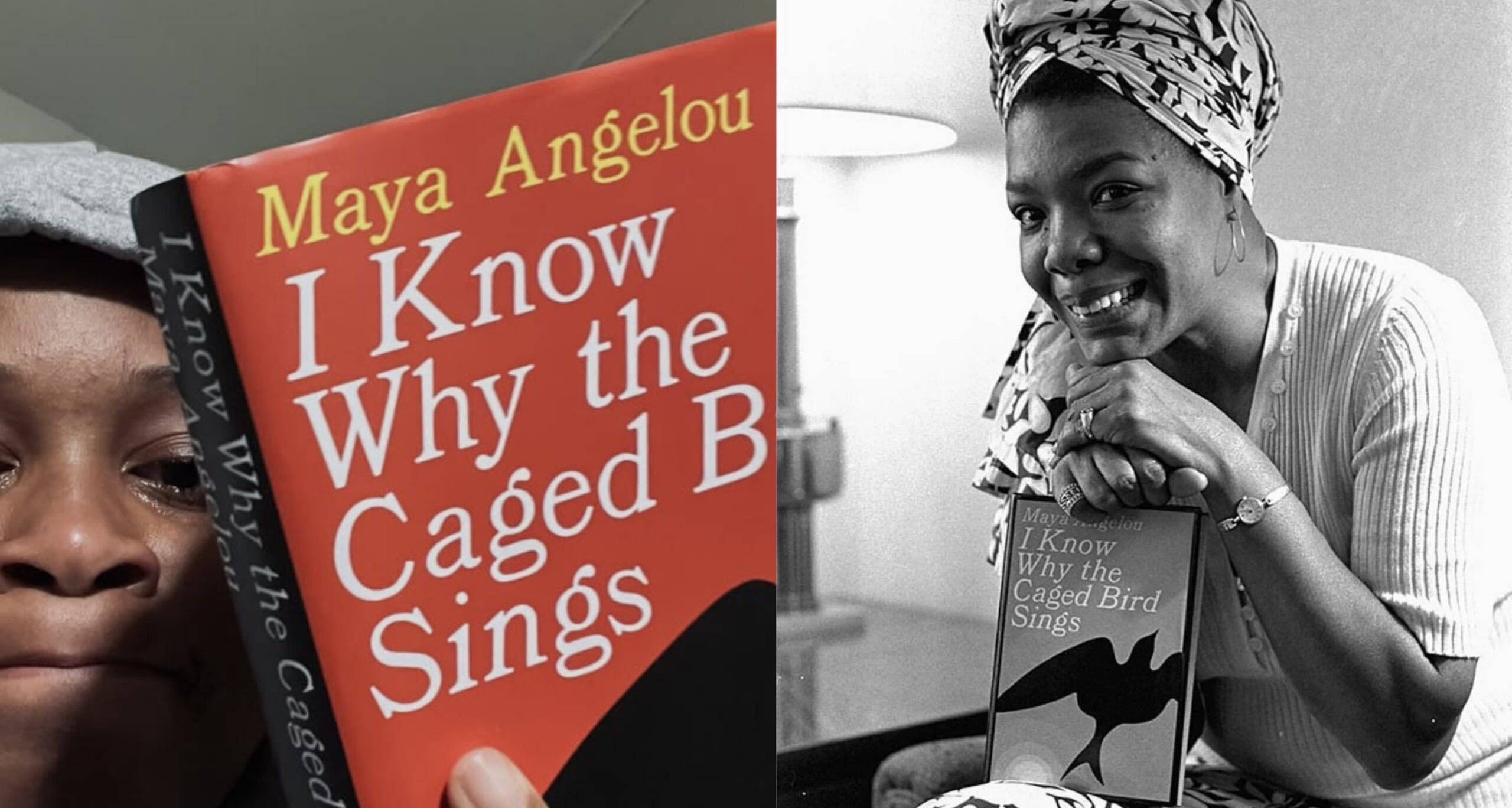
In 1969, American writer, poet and civil rights activist Maya Angelou published I Know Why the Caged Bird Sings, a memoir about her childhood and adolescence that would become one of the most influential works in modern autobiographical literature. Through her experiences of racism, abandonment, sexual abuse, insecurity and the discovery of literature, Angelou tells a deeply personal story about what it means to grow up in a world that does not always make room for you. More than five decades later, the book remains worth reading because it asks a question that still feels uncomfortably familiar: How do you discover who you are when the world keeps telling you who you should be?
At SFI.COZA, we believe the best books do more than entertain us. They give us language for experiences we might not yet know how to explain. Angelou’s memoir does precisely that. It is painful, funny, tender and honest, sometimes within the same stretch of storytelling. It reminds us that growing up is rarely a neat journey from confusion to confidence. Sometimes it is simply learning how to live with the things that have happened to you without allowing them to become the whole story.
I Know Why the Caged Bird Sings by Maya Angelou: What This Classic Book Teaches Us About Growing Up Share on XWhat Is ”I Know Why the Caged Bird Sings” About?

The memoir follows Angelou’s early life, beginning with her childhood and her relationship with her older brother, Bailey. They are sent to live with their paternal grandmother in Stamps, Arkansas, where young Maya encounters the racial inequalities of the segregated American South.
As she grows older, she experiences abandonment, prejudice, sexual violence and the complicated realities of family life. These experiences affect her sense of self and her ability to trust others. Yet the story is not defined by suffering alone. Family, community, books and the kindness of particular people also shape her development.
Angelou writes about these events with the perspective of someone revisiting childhood through adult understanding. The result is a memoir that explores both what happened to her and how those experiences shaped her understanding of the world.
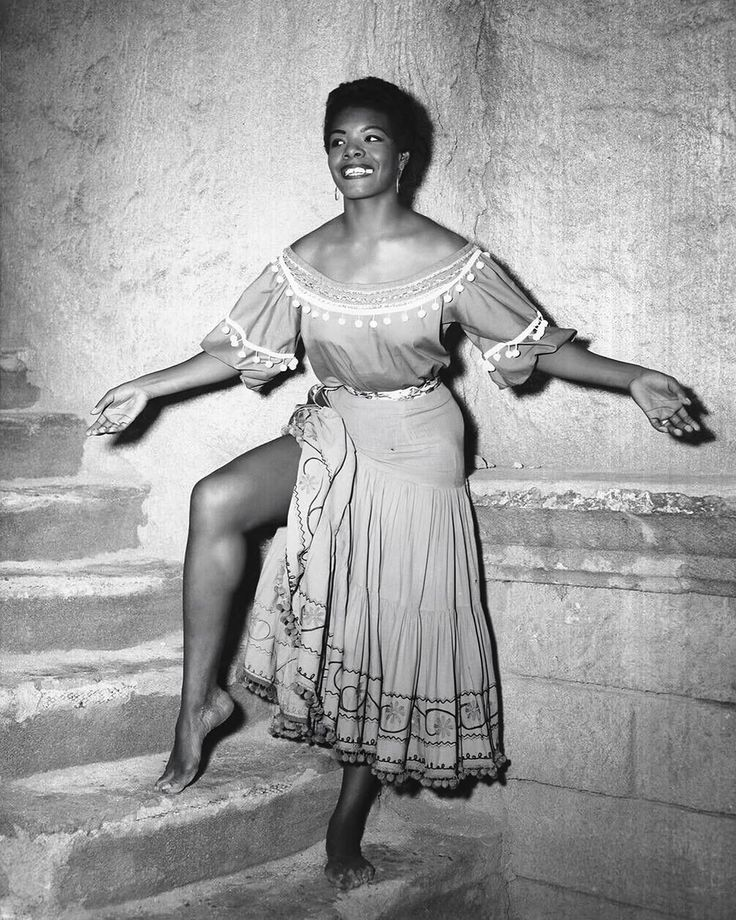
The publisher, Penguin Random House, describes the book as a work that brings together childhood loneliness, racism and the transformative possibilities of language. Its enduring strength lies in the way these larger themes are made personal through one young girl’s life.
I Know Why the Caged Bird Sings by Maya Angelou: What This Classic Book Teaches Us About Growing Up Share on X1. The Cage Is Not Always Visible

The title gives us the book’s central image: a bird confined to a cage, still singing despite its restricted freedom.
The cage represents more than physical imprisonment. It can suggest racism, gender expectations, social exclusion, trauma and the beliefs that make a person feel smaller than they are.
Angelou’s experiences show how these forces can shape a child’s understanding of herself. When society repeatedly communicates that you are less worthy because of your race, appearance or background, the damage does not end when you leave the room. Sometimes, the message follows you home.
This is one of the memoir’s most important insights: oppression can limit a person’s opportunities while also attempting to influence how they see themselves.
We can recognise a smaller, everyday version of this in modern life. Think of the young person who has a brilliant idea but never speaks in a meeting because they have been made to feel inexperienced. Or the university graduate who stops applying for opportunities after being rejected several times. Their situations are not equivalent to the systemic racism Angelou documents, but they remind us how repeated discouragement can begin to sound like truth.
The lesson is not that every difficulty can be overcome by thinking positively. That would be an insult to the seriousness of Angelou’s experiences. Rather, the book encourages us to question the conditions that restrict people, as well as the assumptions those conditions leave behind.
2. Finding Your Voice Is Not a Straight Line
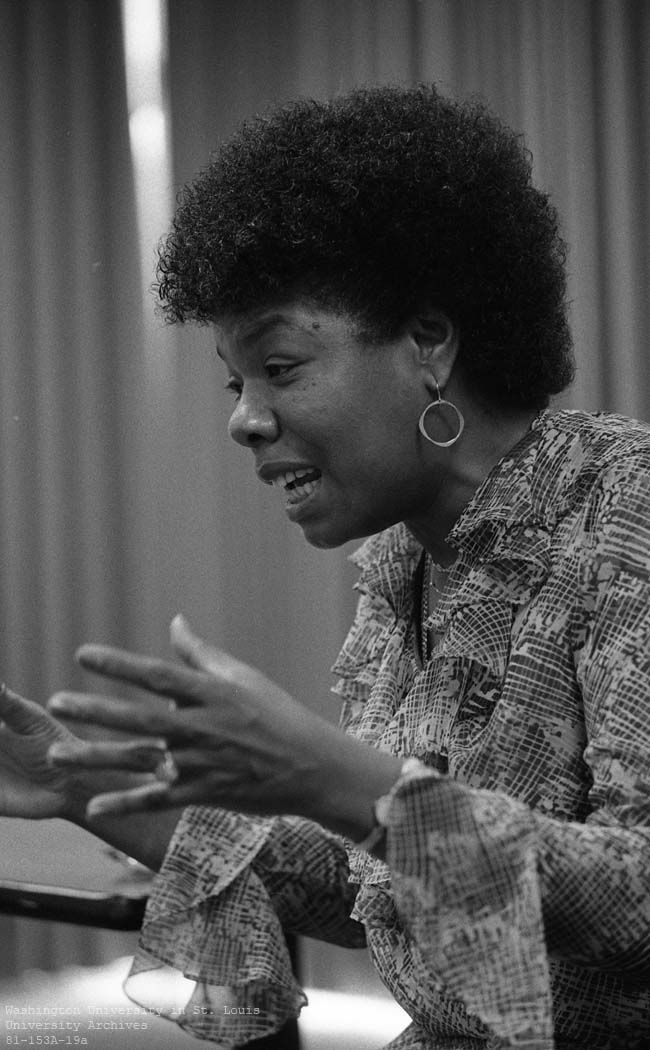
One of the memoir’s most moving threads is Angelou’s relationship with speech and silence. Following childhood sexual abuse, she experiences a prolonged period in which she barely speaks. Books, poetry and the support of others become important parts of her journey towards reconnecting with language.
This is where the memoir becomes especially powerful. We often celebrate confident people as though confidence were a personality trait handed out at birth. We admire the person who can speak effortlessly in public, defend an idea or walk into a room without appearing intimidated.
But we do not always ask what it took for that person to find their voice.
Angelou’s story reminds us that silence can have complicated origins. Sometimes it reflects fear, grief or a lack of safety. Sometimes a person is not ready to explain what they have experienced. And sometimes, they have spent so long being misunderstood that speaking begins to feel pointless.
Imagine being the person in a family who is always told that you are too sensitive. Eventually, you might stop explaining why something hurt you. Everyone may interpret your silence as agreement, when in reality you have simply grown tired of defending your feelings.
Angelou’s memoir invites us to look more carefully at that silence.
Finding your voice is not always about becoming louder. Sometimes it begins with discovering that your thoughts, feelings and experiences deserve to be heard.
3. Books Can Become a Form of Freedom
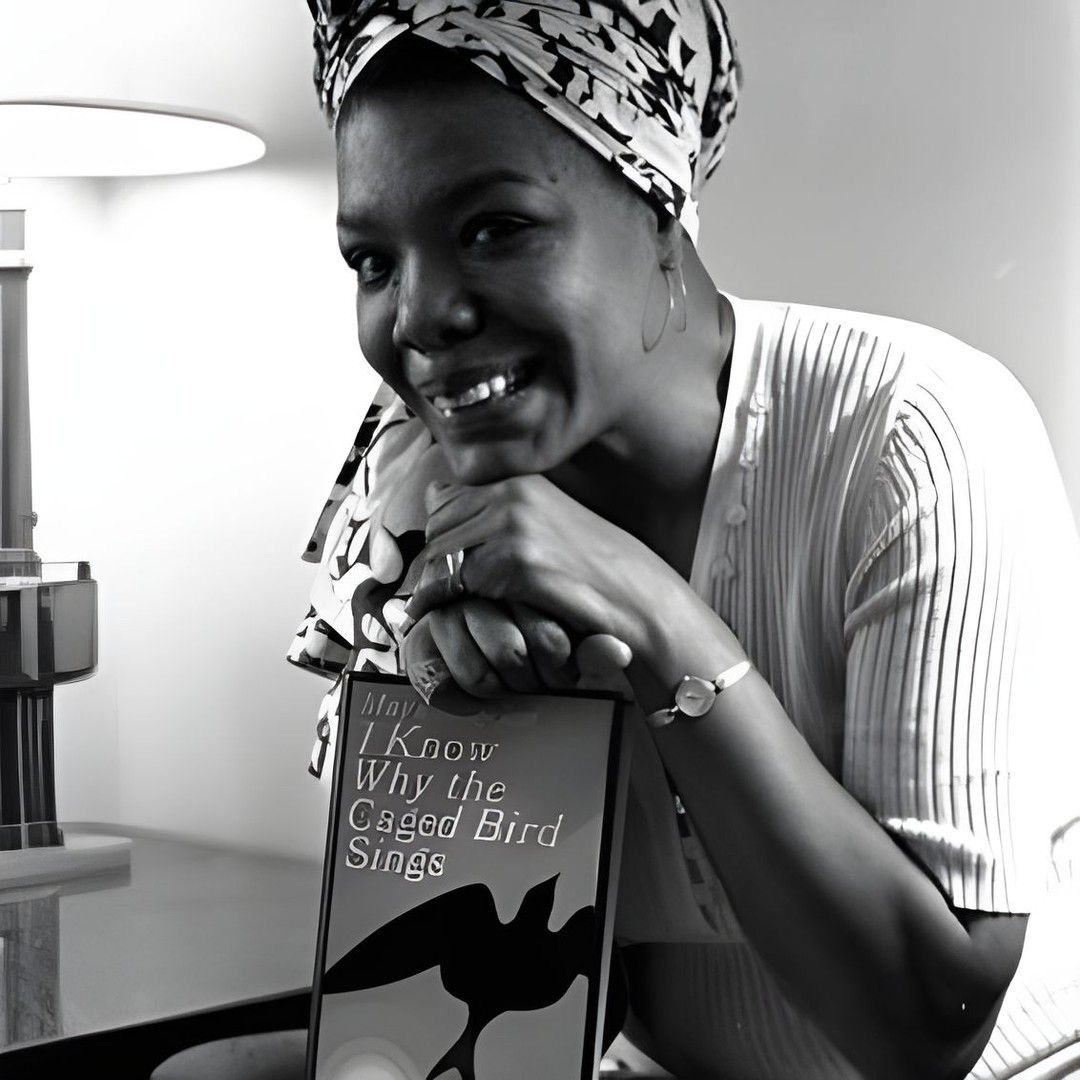
Literature plays a significant role in Angelou’s development. Books offer her access to language, imagination and ideas beyond the limits of her immediate surroundings. Her relationship with literature becomes part of how she understands herself and the world.
This is one reason the memoir continues to matter to readers, students and aspiring writers. Reading is not merely a way to pass time on a quiet Sunday afternoon. It can introduce us to experiences we have never lived and perspectives we may never have considered.
A good book can make you reconsider an opinion you have held for years. It can help you recognise a feeling you could not previously name. It can even make you question whether the life you have accepted is the only life available to you.
And no, this does not mean reading one classic novel will automatically transform you into a philosopher who says “in my considered opinion” before ordering a kota.
It means language expands the way we think.
For young South Africans navigating education, work, family expectations and an increasingly digital world, that matters. The ability to read critically, express an argument and understand another person’s experience is useful far beyond the English classroom.
Angelou’s memoir demonstrates that literacy is not only about learning to read words; it is also about gaining tools to interpret the world.
4. Racism Is Personal, but It Is Also Structural

Angelou’s childhood takes place within the realities of racial segregation in the United States. Her memoir exposes how racism operates through social relationships, economic conditions and everyday encounters. It is not presented as an abstract political debate. It affects where people belong, how they are treated and what they are allowed to imagine for themselves.
For South African readers, the book may evoke comparisons with apartheid and the continuing effects of racial inequality. The historical contexts are different, and they should not be treated as interchangeable. However, both histories demonstrate how racial systems can become embedded in institutions, opportunities and ordinary social interactions.
The book also offers a useful reminder about the way prejudice is sustained. Discrimination does not always arrive as an openly hostile declaration. It can appear through lowered expectations, exclusion from important conversations, assumptions about competence or the quiet belief that certain people simply do not belong in particular spaces.
Consider a talented young professional who repeatedly has to prove their competence while others are granted credibility almost immediately. One experience may be ambiguous. A pattern deserves closer examination.
Angelou’s writing encourages us to pay attention to those patterns without reducing an entire life to a single label.
Her story does not ask readers to pity her. It asks us to recognise her humanity and confront the conditions that attempted to diminish it.
5. Resilience Does Not Mean Pretending You Are Fine

We live in an age of motivational captions. Every setback apparently requires a sunrise photograph, a gym session and a declaration that we are entering a new chapter.
Sometimes, the new chapter is simply getting out of bed, answering an email and remembering to buy bread.
Angelou’s memoir offers a more complicated understanding of resilience. Her life is marked by suffering, but her story does not suggest that suffering is automatically beneficial or that people should be grateful for what harmed them.
That distinction matters.
There is a difference between recognising your strength and romanticising your pain. People can grow after difficult experiences, but that does not make the experiences themselves necessary or acceptable.
Angelou’s story makes space for vulnerability, fear, humour and the influence of other people. It shows that becoming stronger is not always a solo project.
For young people especially, this is an important message. You do not have to turn every disappointment into a public lesson before you have had time to understand it. You do not have to perform healing for an audience. And you certainly do not need to turn your entire life into a personal brand.
Sometimes resilience looks like asking for help, returning to your studies, finding a trusted person to talk to or allowing yourself to begin again.
I Know Why the Caged Bird Sings by Maya Angelou: What This Classic Book Teaches Us About Growing Up Share on XMaya Angelou’s Memoir Still Matters Today
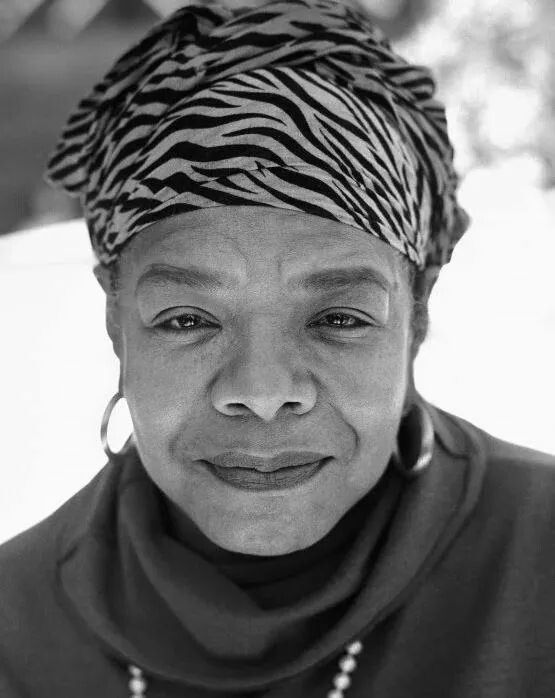
Published in 1969, I Know Why the Caged Bird Sings continues to speak to readers because its central questions extend beyond its historical setting.
It asks us to consider how identity is formed, how racism affects human lives, how trauma can shape communication and how literature can help people understand themselves. It also reminds us that a person’s childhood deserves to be taken seriously, even when adults would prefer not to discuss its painful realities.
The memoir has also faced challenges and bans in educational settings because of its candid treatment of sexual abuse, racism and sexuality. Its difficult subject matter is precisely why thoughtful teaching and discussion matter. Avoiding painful topics does not make the experiences they describe disappear.
For readers, a little preparation is worthwhile. The book contains descriptions of childhood sexual abuse and other distressing experiences. Readers who may find these subjects difficult should approach it at a pace that feels appropriate for them.
Its importance does not mean every reader will respond to it in the same way. Some may connect most strongly with Angelou’s account of childhood. Others may focus on the role of literature, race, family or personal dignity. That variety is part of what makes the memoir valuable for discussion.
I Know Why the Caged Bird Sings by Maya Angelou: What This Classic Book Teaches Us About Growing Up Share on XThe Courage to Sing
What makes I Know Why the Caged Bird Sings enduring is not simply the fact that Maya Angelou survived difficult experiences. It is the care with which she turns those experiences into a story that other people can enter, question and learn from.
Her memoir reminds us that people are more than the worst things that have happened to them. They are also their curiosity, relationships, humour, imagination, choices and capacity to change.
For readers in South Africa and across the African continent, the book offers an opportunity to think about the relationship between individual stories and the societies in which those stories unfold. It encourages us to listen more carefully, question the systems that restrict people and recognise the importance of giving others room to speak for themselves.
Perhaps the most useful takeaway is this: you do not have to deny the cage to believe that freedom matters. And you do not have to wait until your life is perfect before your voice has value.
Some of the most important stories begin when someone decides that silence will no longer tell the whole story.
I Know Why the Caged Bird Sings by Maya Angelou: What This Classic Book Teaches Us About Growing Up Share on XSources and further reading
- Penguin Random House — I Know Why the Caged Bird Sings: Publisher synopsis, book details and contextual information.
- Maya Angelou Official Website — Biography: Background on Angelou’s life and writing career.
- Penguin Random House — Teacher’s Guide: Educational context, themes, literacy and the memoir’s treatment of challenging subject matter.
- Smithsonian American Women’s History Museum — Dr. Maya Angelou Spoke Her Truth through Art and Activism: Further context on Angelou’s life, writing and activism.
Editorial note: This SFI.COZA article is a critical introduction to the memoir, drawing on publisher and biographical sources alongside editorial interpretation. It is not a substitute for reading Angelou’s original work.
Explore more books, people and ideas with SFI.COZA — Fresh Content for Young Minds


We at SFI.COZA think that stories have the ability to educate, uplift, and unite people. As a sociable and committed editor, we work hard to provide rich media coverage that connects with our audience. Our ambition to positively touch our audience's lives, one article at a time, is equal to our enthusiasm for storytelling. Come along on this adventure with us as we explore the planet.






Leave a Reply