SFI.COZA

The Films and Series That Have Given Us Something to Think About

The Films and Series That Have Given Us Something to Think About

There was a time when watching a film meant little more than deciding whether you wanted popcorn before the opening credits, but somewhere along the way our screens became much more ambitious than that, quietly turning bedrooms, cinemas, buses, flights and late-night living rooms into places where we encounter questions about who we are, what we value, what we fear and what kind of society we are willing to tolerate.

I have always believed that the most interesting films are the ones that refuse to leave you entirely when the credits disappear, because the best stories do not simply entertain us for two hours and then politely return us to our lives; they interrupt our assumptions, expose uncomfortable contradictions, and sometimes make an ordinary conversation feel slightly more complicated the following morning.

The Films and Series That Have Given Us Something to Think About Share on X

That is particularly interesting now, because we are living through a period in which entertainment has become almost impossibly accessible, with Netflix, Apple TV+, Showmax, Disney+ and other platforms giving audiences access to stories from Seoul, Johannesburg, London, Lagos, Los Angeles and Mumbai without requiring us to leave the sofa, and yet the abundance of choice has created its own problem because having thousands of titles available does not necessarily mean that we are watching stories that deserve our attention.

At SFI.COZA, I am less interested in producing another list of things you should watch because an algorithm decided they are popular and more interested in the films and series that have stayed with me because they gave me something to consider after the entertainment ended, whether that meant thinking differently about wealth, masculinity, work, family, technology, social class, ambition or the strange ways in which human beings learn to live with systems they privately dislike.

The Films and Series That Have Given Us Something to Think About Share on X
image 11

Bong Joon Ho’s Parasite remains one of the clearest examples of what happens when cinema takes a social issue and refuses to turn it into a lecture, instead allowing the architecture of a house, the movement of people through different rooms and the small humiliations of everyday life to reveal the distance between social classes.

The genius of the film lies partly in its ability to make inequality feel physical, because characters do not simply occupy different economic positions; they occupy different spaces, breathe different air, experience different expectations and understand the same city from completely different levels.

image 14

The film follows a poor family in Seoul whose lives become entangled with a wealthy household, and although the story moves through comedy, suspense and violence, its deeper concern remains the relationship between money and human dignity.

That idea feels particularly relevant in South Africa, where the physical geography of cities often tells a social story before anyone says a word, because Cape Town, Johannesburg and Durban contain extraordinary wealth alongside communities confronting unemployment, housing pressure and unequal access to opportunity.

Parasite does not tell us that rich people are automatically evil or poor people are automatically noble, which is precisely why it works, because it asks us to look at the system rather than search for a convenient villain.

The film won the Academy Award for Best Picture and became the first non-English-language film to receive that award, while the Criterion Collection describes it as a major cinematic examination of class inequality.

The Films and Series That Have Given Us Something to Think About Share on X
image 15

I have become increasingly fascinated by stories about work because modern professional culture has developed an almost absurd ability to convince people that exhaustion represents ambition.

Severance, created by Dan Erickson, takes that anxiety and turns it into science fiction.

The premise is wonderfully disturbing: employees at Lumon Industries undergo a procedure that separates their workplace memories from their personal memories, meaning the person who arrives at work has no knowledge of life outside the office while the person who leaves has no memory of what happened during the working day.

image 16

It sounds ridiculous until you remember how many people already behave as though their professional identity and personal identity belong to completely different human beings.

The series asks something far more serious beneath its strange premise, because if work occupies a significant portion of your consciousness, what exactly happens when an organisation gains control over that part of your life?

For young professionals, founders and creatives, that question deserves attention. Ambition matters, discipline matters and meaningful work can transform a life, but there is a dangerous point at which professional achievement stops becoming something you do and starts becoming the person you believe you are.

The Films and Series That Have Given Us Something to Think About Share on X
image 17

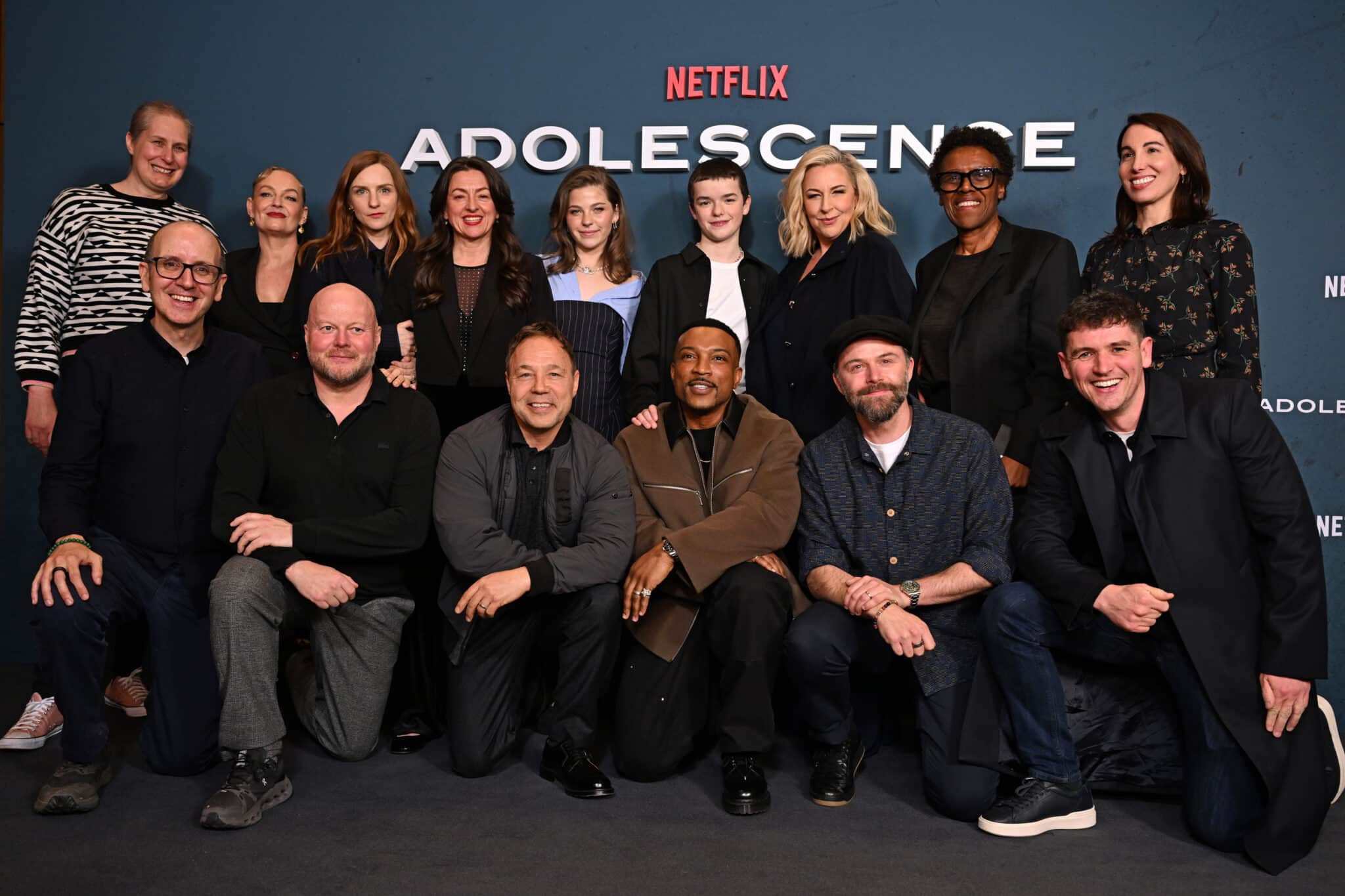
Few recent series have created as much conversation around masculinity, parenting, teenage culture and online influence as Netflix’s Adolescence, the 4-part drama created by Jack Thorne and Stephen Graham.

The story begins with the arrest of thirteen-year-old Jamie Miller after he is accused of murdering a female classmate, but the real subject of the series gradually becomes much larger than the crime itself because the story examines the family, school, community and psychological environment surrounding the boy.

What makes the series particularly powerful is that it refuses to provide an easy explanation. There is no single conversation that explains everything. There is no convenient villain who arrives at the end to carry the responsibility.

Instead, the series leaves adults confronting the possibility that young people can inhabit digital environments that their parents barely understand, while parents can love their children deeply without necessarily knowing what their children are learning, believing or becoming.

image 18
Graham and Thorne at the Golden Globes in January, where the show won four awards. (Getty Images: Jesse Grant)

Netflix reported in 2026 that its research found more than half of familiar parents said the series had prompted conversations they had never previously had with their children, while nearly two-thirds of familiar teenagers said they felt more understood because of it.

That matters because entertainment becomes culturally important when it creates conversations that society has been avoiding.

The Films and Series That Have Given Us Something to Think About Share on X
image 19

Neill Blomkamp’s District 9 remains fascinating because it takes science fiction, a genre often associated with futuristic cities and distant planets, and places its central conflict inside the social memory of Johannesburg. The aliens are not simply extraterrestrial creatures designed to make a spectacular film.

They become a vehicle through which the film explores segregation, xenophobia, displacement, bureaucracy, power and the uneasy relationship between those who possess authority and those who exist under it.

The Johannesburg setting gives the story a particular cultural weight because South African audiences understand that spatial separation is not merely an abstract cinematic idea. Our cities carry history. Our neighbourhoods carry history.

Even the roads we use to move between places can carry traces of decisions made decades before many of us were born. That is what makes District 9 worth returning to. It reminds us that genre can carry serious social commentary without becoming academic or inaccessible.

The Films and Series That Have Given Us Something to Think About Share on X
Netflix Unveils Africa Slate Including 'Blood & Water' Season 4
“Blood & Water” (Courtesy of Netflix)

South African television deserves its own conversation because international audiences have increasingly discovered that local stories do not need to become less South African to become globally relevant.

Blood & Water demonstrates this beautifully through its Cape Town setting, its private-school environment and its story of a teenager investigating whether a swimming star at her school could be the sister who was abducted at birth.

The premise is dramatic, certainly, but what makes the series interesting culturally is its understanding of status, family, race, friendship, and the social performance that takes place inside privileged spaces.

Cape Town becomes more than a backdrop. The city becomes part of the story.

image 21
“Blood & Water” (Courtesy of Netflix)

That matters because African audiences have spent decades watching cities from other countries represent aspiration, wealth and modernity, while African cities were often reduced to poverty or political crisis.

Local productions can challenge that visual imbalance by presenting African cities as complicated places where people fall in love, compete, build careers, attend expensive schools, create businesses, make mistakes and worry about ordinary things.

That is cultural representation with texture.

The Films and Series That Have Given Us Something to Think About Share on X
image 22
Jeremy Allen White in ‘The Bear’ Courtesy of FX

The Bear is ostensibly about a chef returning to Chicago to run his family’s struggling restaurant, but I suspect many ambitious young people watch it for reasons that have very little to do with food.

The series understands what happens when talent, grief, family expectations and professional ambition occupy the same room.

Carmy wants excellence.

His colleagues want respect.

His family history wants to be acknowledged.

The restaurant wants to survive.

Those desires do not always cooperate.

For anyone building a company, magazine, creative practice or personal brand, that tension feels familiar because ambition can become strangely isolating when nobody around you understands why you care so much about the work. The series also makes an important distinction between excellence and obsession. Being good at something requires discipline. Being consumed by it requires something else. Those are not always the same thing.

The Films and Series That Have Given Us Something to Think About Share on X
image 23
Dark, insistent pessimism … Justin Timberlake and Jesse Eisenberg in The Social Network. Photograph: Merrick Morton

David Fincher’s The Social Network remains relevant because it understands something uncomfortable about entrepreneurship: sometimes the person who wants to change the world also wants recognition, belonging and revenge.

The film dramatises the creation of Facebook and the disputes surrounding its early development, but beneath the technology sits a much older human story about friendship, status, ambition and exclusion.

That is why I still find it useful for young founders, because business culture often packages entrepreneurship as a clean sequence of vision, execution and success, when real ambition tends to involve insecurity, disagreement, ego and difficult decisions.

The film does not present entrepreneurship as morally pure. It presents it as human. That distinction matters.

The Films and Series That Have Given Us Something to Think About Share on X
image 24
Still from Lemohang Jeremiah Mosese’s This Is Not a Burial, It’s a Resurrection (2019)

South African cinema has produced quieter films that deserve serious attention, and Lemohang Jeremiah Mosese’s This Is Not a Burial, It’s a Resurrection belongs firmly within that conversation.

Set in Lesotho, the film follows an elderly widow who confronts the threat of displacement when her village faces relocation because of a proposed reservoir.

Its power comes from its refusal to treat development as automatically virtuous. Infrastructure can create opportunity.

It can also erase memory.

Economic growth can improve lives.

It can also displace communities.

Modernisation can provide new possibilities.

image 25

It can also force people to surrender places that contain generations of meaning. For African societies navigating rapid urbanisation and economic development, those questions remain deeply relevant. Progress should not only be measured by what gets built.

We should also ask what gets lost.

image 26
The Films and Series That Have Given Us Something to Think About Share on X
image 27
Demi Moore in The Substance: ‘a macabre Faustian pact – part Dorian Gray, part Gremlins’. Photograph: © Mubi

Coralie Fargeat’s The Substance is one of those films that becomes increasingly uncomfortable the longer you think about it because beneath its body-horror style sits a brutal examination of ageing, beauty standards, celebrity culture and the pressure placed upon women to remain visually desirable.

The premise is intentionally extreme, but the emotional territory is recognisable. We live in a culture where people can edit photographs before breakfast, measure engagement before lunch and discover whether strangers approve of their appearance before dinner.

image 28
“You have to walk away feeling that you put it all on the table,” says Demi Moore, center, photographed in London in August with writer-director Coralie Fargeat, left, and co-star Margaret Qualley. Their new movie, “The Substance,” turns Hollywood into a horror show. 
(Jennifer McCord / For The Times)

The internet has turned the human face into a public project. The film pushes that idea to an unsettling extreme, but its question remains familiar: what happens when a person begins to value the image of themselves more than the life they are actually living?

That question extends beyond beauty. It reaches into personal branding, entrepreneurship and social media. At some point, every creator has to decide whether they are building a life or simply building an image of one.

The Films and Series That Have Given Us Something to Think About Share on X

What I have come to appreciate most about meaningful cinema is that it does not always make me feel good. Sometimes it makes me uncomfortable. Sometimes it irritates me. Sometimes I finish an episode and sit quietly because a character has exposed something I would rather not recognise in myself.

That is useful. Entertainment does not need to become a lecture, but neither should we underestimate its ability to shape the questions we carry into ordinary life. A great film can change the way you understand money. A series can change the way you understand your parents. A character can make you reconsider ambition.

A story from another country can reveal something about your own. And a South African film can remind you that our own cultural experiences contain enough complexity, humour, tragedy and beauty to sustain stories that deserve to travel. At SFI.COZA, that is ultimately why I believe culture deserves serious attention. Culture is not an accessory to life.

The Films and Series That Have Given Us Something to Think About Share on X


Leave a Reply

Your email address will not be published. Required fields are marked *

This site uses Akismet to reduce spam. Learn how your comment data is processed.

Best Cafés in Cape Town | 8 Must-Visit Coffee Shops (2026 Guide)

Best Cafés in Cape Town | 8 Must-Visit Coffee Shops (2026 Guide)

Some folks look for the city’s strongest flat white. Before determining whether the coffee merits a second opportunity, others discreetly evaluate each restaurant based on the quality of its croissant. Then there are those incredibly upbeat remote workers who boldly show up with a laptop, one charger, aspirational professional goals, and the genuine conviction that buying one cappuccino gives them the right to take up an entire table till dusk.

The best cafés in Cape Town combine exceptional specialty coffee, thoughtful hospitality, beautiful interiors, and memorable food. Local favorites include Truth Coffee Roasting, Origin Coffee Roasting, Rosetta Roastery, Jason Bakery, The Strangers Club, Loading Bay, Our Local, Arthur's Mini Super, Espresso Lab Microroasters, and Clarke's Bar & Dining Room.

Editorial meetings begin in cafés. Interviews take place inside cafes. Instead of costly boardrooms, new business alliances frequently begin over wooden tables ornamented with porcelain coffee cups. Some of our best ideas have emerged as we waited for an espresso, which was just long enough to remind us that quality craftsmanship cannot be rushed.

Cape Town has quietly established one of Africa’s most fascinating specialty coffee scenes over the last decade. International recognition from organizations such as the Specialty Coffee Association, combined with the growing influence of independent roasters, chefs, designers, and hospitality entrepreneurs, has transformed the city into a place where coffee culture feels authentic rather than trendy.

If you appreciate beautiful spaces, meaningful conversations, and coffee prepared with genuine care, these cafés deserve a place on your list.

Best Cafés in Cape Town | 10 Must-Visit Coffee Shops (2026 Guide) Share on X

1. Rosetta Roastery

Minimalist design often creates calming spaces. Rosetta Roastery proves that simplicity, executed well, never becomes boring. Every element inside the café feels intentional, from carefully selected furniture to understated colour palettes that allow the coffee itself to become the central attraction.

Rosetta has built a remarkable reputation by treating coffee with almost scientific precision while maintaining warm, approachable service. The result feels sophisticated without becoming pretentious. Their pour-over selection deserves particular attention for visitors interested in exploring how different brewing methods reveal subtle flavour differences.

Best Cafés in Cape Town | 10 Must-Visit Coffee Shops (2026 Guide) Share on X

2. Jason Bakery

There are mornings when sophisticated nutritional planning quietly disappears the moment somebody places one of Jason Bakery’s famous pastries in front of you. Self-control deserves admiration. It rarely survives here.

@resteasy_prop

Personalised recommendations are at the heart of what we love to do here at Rest Easy – our CEO recommends the Bacon & Egg Croissant at the locally loved Jasons Bakery! #jasonbakery #greenpoint #capetownfoodie #breakfast #cafe #localfinds #capetown #atlanticseaboard #brunch #thingstodocapetown

♬ original sound – Rest easy

Jason Bakery has earned legendary status through exceptional baking, generous breakfasts, and consistently excellent coffee. Their croissants, doughnuts, and artisan breads attract loyal customers who happily queue before opening hours. Fortunately, excellent coffee accompanies the remarkable pastries. The combination explains why Jason Bakery continues appearing on almost every serious Cape Town food guide.

Best Cafés in Cape Town | 10 Must-Visit Coffee Shops (2026 Guide) Share on X

3. The Strangers Club

Some cafés immediately encourage people to slow down. The Strangers Club achieves exactly that. Nestled inside a beautifully restored heritage building, this café combines lush gardens, elegant interiors and seasonal menus that celebrate fresh local ingredients.

@michaelablisss

The Strangers Club | Such a cool spot in Cape Town! The Strangers Club is a really dofferent cafe where you can dine with strangers at a communal table, but they also have smaller tbales as well if thats not your style. Theres also a bunch of beauuutiful local brands that sell their producs within the cafe which is super cool! We loved it here, cant wait to go back 🦋 📍1 Braemer Road. Green Point, CPT #capetowncafe #capetownfood #aestheticcafes #capetownrestaurants #cafes #coffeelovers #aestheticplaces #lifestyleblogger #capetownlife

♬ Intimidated (feat. H.E.R.) – KAYTRANADA

It feels intimate without becoming crowded. Creative professionals frequently choose this location for quiet meetings because conversations naturally become more relaxed within its peaceful surroundings. The menu changes regularly according to seasonal availability, reflecting Cape Town’s growing appreciation for sustainable dining and locally sourced produce.

For visitors seeking an authentic neighbourhood experience rather than a tourist attraction, The Strangers Club offers one of the city’s most rewarding café experiences.

Best Cafés in Cape Town | 10 Must-Visit Coffee Shops (2026 Guide) Share on X

Situated in the heart of Cape Town, Loading Bay effortlessly blends specialty coffee, fashion, architecture and contemporary design into a single experience that feels unmistakably modern. The café shares space with carefully curated retail, allowing visitors to move naturally between beautifully brewed coffee and thoughtfully selected lifestyle products without ever feeling like one experience overshadows the other.

@lotmour.x

I wish I took more clips but I was hungry🤷🏽‍♀️ #capetown #capetownresturants #capetowncafe

♬ Likee – ohthatsmizzz

What immediately stands out is the restraint. Nothing feels excessive. Every material, every piece of furniture and every menu item appears intentionally chosen, reflecting the Scandinavian-inspired minimalism that has become increasingly influential within Cape Town’s design community.

If there is one café that perfectly represents Cape Town’s modern creative identity, Loading Bay deserves serious consideration.

Perfect for:

  • Creative meetings
  • Designers and architects
  • Remote workers
  • Lifestyle enthusiasts
  • Specialty coffee lovers
Best Cafés in Cape Town | 10 Must-Visit Coffee Shops (2026 Guide) Share on X

Arthur’s Mini Super proves that personality often matters just as much as perfect coffee. Walking inside feels less like entering a commercial café and more like visiting a close friend’s beautifully designed neighborhood kitchen, where everyone seems to know one another, conversations happen naturally, and nobody appears in a hurry.

@bianca.barry.23

Arthur’s Mini Super | Sea Point 🥤 – cutecafe capetown seapointcapetown fyp arthursminisuper cafehopping spotsincapetown brunch musttry food hiddengems

♬ If You Don’t Want My Love – Jalen Ngonda

Its relaxed atmosphere has made it one of Sea Point’s most beloved gathering places. Excellent coffee anchors the experience, but the genuinely warm hospitality keeps people returning. Breakfast classics receive careful attention without becoming unnecessarily complicated, while the café’s easy-going energy makes it equally suitable for early morning work sessions or leisurely weekend catch-ups.

Best Cafés in Cape Town | 10 Must-Visit Coffee Shops (2026 Guide) Share on X

If coffee were taught as a university degree, Espresso Lab Microroasters would probably be one of the lecturers. Few cafés in Cape Town approach coffee with such remarkable precision while remaining approachable enough for newcomers to enjoy the experience without feeling intimidated.

@itschloeambre

my fave cafe in cape town for aesthetic outfit pics!! Espressolab, De Waterkant ☕️ cute workspace for remote days or digital nomads too #outfitpics #capetown #pinterestaesthetic #hiddengem #cafe @gabriella @Tayla May

♬ burner wave which one x promiscuous – burner.wave

The team treats every cup as an opportunity to showcase how origin, processing methods, roasting profiles and brewing techniques influence flavour. That dedication attracts serious coffee enthusiasts from across South Africa. Yet despite the technical expertise, the café never becomes overly academic.

For visitors interested in understanding why specialty coffee has become one of the world’s fastest-growing culinary movements, Espresso Lab remains one of Cape Town’s finest classrooms.

Best Cafés in Cape Town | 10 Must-Visit Coffee Shops (2026 Guide) Share on X

Every city needs neighbourhood cafés that quietly become part of people’s daily routines. Our Local has mastered exactly that balance. Comfortable without becoming ordinary, stylish without appearing performative, and consistently welcoming regardless of whether someone orders an espresso or spends three hours working on a presentation, the café represents everything people hope to find in a local coffee shop.

The menu celebrates fresh ingredients and simple combinations executed exceptionally well. Healthy breakfast bowls sit comfortably alongside indulgent pastries, while excellent coffee ties everything together. Perhaps the greatest compliment anyone can give a café is this: You forget how much time has passed.

Our Local has that rare quality.

Best Cafés in Cape Town | 10 Must-Visit Coffee Shops (2026 Guide) Share on X

Not every café should feel quiet. Sometimes coffee deserves a little energy. Clarke’s Bar & Dining Room successfully combines café culture with an all-day dining experience that reflects the lively rhythm of Cape Town’s city centre.

Its menu moves effortlessly between outstanding breakfasts, excellent coffee and sophisticated lunch options, making it one of the city’s most versatile destinations. The interiors balance classic American diner influences with contemporary South African design, creating a timeless atmosphere that continues feeling relevant years after opening.

Whether meeting colleagues, interviewing creatives or enjoying brunch before exploring the city, Clarke’s consistently delivers an experience that feels polished without becoming overly formal.

Best Cafés in Cape Town | 10 Must-Visit Coffee Shops (2026 Guide) Share on X

Trusted References and Sources

This guide has been informed by editorial research, first-hand knowledge of Cape Town’s café culture and publicly available information from trusted sources, including:

  • Specialty Coffee Association (SCA)
  • Time Out Cape Town
  • Condé Nast Traveler
  • CapeTownMagazine.com
  • Eat Out South Africa
  • World Coffee Portal
  • Official websites of the featured cafés

These sources were used to verify business information, specialty coffee practices and the broader development of Cape Town’s internationally recognised café culture.

Leave a Reply

Your email address will not be published. Required fields are marked *

This site uses Akismet to reduce spam. Learn how your comment data is processed.

Honor 600 Pro: Everything You Need to Know Before Buying

Honor 600 Pro: Everything You Need to Know Before Buying

Every launch promises another revolutionary camera. Every keynote promises another artificial intelligence feature that will supposedly transform daily life. Every manufacturer insists that this year’s processor changes everything. Then the phone lands inside your pocket, and the most exciting thing it does involves reminding you that your screen time exceeded six hours yesterday.

There is comedy in that reality.

Thankfully, the Honor 600 Pro makes a marginally different try. With amazing hardware, useful artificial intelligence, exceptional battery life, and a camera system that seems to be made for people who actually enjoy photography rather than just gathering specs, it focuses on resolving common annoyances rather than grabbing attention with pointless gimmicks. That approach deserves attention.

Honor 600 Pro: Everything You Need to Know Before Buying Share on X
@limreviews

HONOR 600 Pro Unboxing! Coming soon. Stay tuned! #honor600 #honor600pro @HONOR Malaysia

♬ original sound – Lim Reviews – Lim Reviews

Yes. Honor continues expanding its South African presence through local retailers and mobile network partners, making flagship devices increasingly accessible for consumers who want premium Android alternatives without automatically choosing Samsung or Apple. For South African buyers, that matters.

Healthy competition creates better products, stronger software support, and more competitive pricing. The Honor 600 Pro enters the local market with flagship ambitions and a price that places it firmly inside premium territory, although still beneath several ultra-premium competitors. Consumers receive flagship hardware without automatically crossing the psychological barrier that accompanies many luxury smartphones.

image 72

For creators, entrepreneurs, photographers, students and business professionals who depend upon their devices throughout demanding working days, that balance becomes increasingly attractive. After all, nobody enjoys carrying a phone worth more than a month’s rent while simultaneously worrying about dropping it during a coffee meeting in Cape Town. Technology should reduce anxiety rather than create additional reasons for it.

Honor 600 Pro: Everything You Need to Know Before Buying Share on X
image 69

This question deserves more attention because specifications alone rarely explain why one model costs considerably more than another. The standard Honor 600 targets users seeking premium daily performance. The Honor 600 Pro moves further into flagship territory.

Among the biggest differences are:

  • A significantly more advanced camera system
  • Higher-end processor performance
  • Enhanced zoom capabilities
  • Faster charging technology
  • Premium build quality
  • Additional artificial intelligence photography tools
  • Better multitasking performance
  • Improved long-term gaming capability

Those improvements might appear incremental upon paper. Daily use tells another story. Opening demanding applications feels effortless. Editing photographs requires less waiting. Recording high-resolution video becomes smoother. Switching between productivity apps remains consistently responsive.

image 74

After all, nobody enjoys carrying a phone worth more than a month’s rent while simultaneously worrying about dropping it during a coffee meeting in Cape Town. Technology should reduce anxiety rather than create additional reasons for it.

Honor 600 Pro: Everything You Need to Know Before Buying Share on X

The Honor 600 Pro enters the premium smartphone category with pricing around R19,999, depending upon retailer promotions, network contracts and launch offers. Viewed through a South African lens, that price deserves careful consideration rather than immediate criticism.

image 71

Consumers purchasing premium smartphones increasingly expect devices that remain relevant for several years rather than only one product cycle. When evaluated across three or four years of ownership, flagship smartphones become investments rather than impulse purchases.

The value equation extends beyond hardware. Software optimisation, security updates, battery longevity and reliable performance contribute equally to ownership satisfaction. Nobody remembers saving two thousand rand if frustration arrives every afternoon through poor battery life or sluggish performance. People remember excellent experiences.

Honor 600 Pro: Everything You Need to Know Before Buying Share on X
image 73

After examining its specifications and overall philosophy, my answer remains comfortably positive. The display alone demonstrates serious ambition. Its 6.57-inch AMOLED panel delivers vibrant colour reproduction, smooth scrolling through its 120Hz refresh rate and remarkable peak brightness that makes outdoor visibility dramatically easier beneath African sunlight.

Then comes performance. Powered by Qualcomm’s Snapdragon flagship platform alongside generous memory and storage, the Honor 600 Pro appears ready for demanding multitasking, mobile photography, artificial intelligence processing and intensive gaming.

Photography remains another highlight. The combination of a 200-megapixel primary sensor, dedicated periscope telephoto lens and ultrawide camera creates flexibility rather than merely producing impressive specification sheets.

Equally important, Honor continues investing heavily in computational photography. Artificial intelligence no longer exists merely as fashionable terminology. When implemented intelligently, machine learning genuinely improves exposure, portrait separation, low-light photography and editing efficiency. That practical usefulness matters far more than promotional language.

Battery performance may become the genuine hero. A massive battery combined with rapid wired and wireless charging significantly reduces everyday charging anxiety. The psychological comfort of leaving home without wondering whether the phone survives until bedtime deserves greater appreciation. Convenience frequently represents luxury’s most overlooked characteristic.

Honor 600 Pro: Everything You Need to Know Before Buying Share on X

The Honor 600 Pro arrives during an increasingly competitive period for premium Android smartphones, yet it distinguishes itself through balance rather than spectacle, combining meaningful artificial intelligence, outstanding camera hardware, dependable battery performance and thoughtful industrial design into a device that feels genuinely prepared for modern creative professionals.

For South African consumers seeking an alternative to predictable flagship choices, the Honor 600 Pro deserves serious consideration.

Leave a Reply

Your email address will not be published. Required fields are marked *

This site uses Akismet to reduce spam. Learn how your comment data is processed.

Letters to Young Creatives: Episode 1 — How to Introduce Yourself Professionally

Letters to Young Creatives: Episode 1 — How to Introduce Yourself Professionally

Dear Creative,

There is something quietly fascinating about watching talented people introduce themselves badly. Not because they lack intelligence. Not because they lack ambition. Usually because nobody ever taught them that introductions are not biographies. They are invitations. After years of building SFI.COZA, attending launches, interviewing entrepreneurs, working alongside artists, and meeting musicians, designers, architects, founders, editors, and ambitious students across South Africa, I have realized something that continues to surprise me. Many remarkable people lose opportunities before they even begin speaking about their work.

That sounds dramatic until you witness it yourself. Someone extends a hand.

“So… tell me about yourself.”

The room becomes silent. Suddenly a photographer becomes nervous. A filmmaker forgets why they started creating. A designer begins listing software instead of ideas. A founder recites their company registration details as though somebody requested an annual report.

Nobody intended for the conversation to become uncomfortable. Yet somehow everyone wishes another person would interrupt. Professional introductions deserve more respect than they receive. They represent the smallest investment with one of the highest returns throughout an entire career.

Letters to Young Creatives: Episode 1 — How to Introduce Yourself Professionally Share on X

Most young creatives believe introductions begin with occupation.

“I am a photographer.” “I am a graphic designer.” “I make videos.” Useful. Forgettable. Your profession explains what you do. It rarely explains why anybody should remember you. When I meet someone interesting, I remember their curiosity long before I remember their job title. Writers who ask thoughtful questions remain memorable.

Architects who notice buildings other people ignore remain memorable. Founders who genuinely care about solving problems remain memorable. Character always travels faster than credentials. That lesson appears repeatedly throughout history.

Steve Jobs rarely introduced Apple through technical specifications. He spoke about changing how people experienced technology. Simon Sinek built an entire body of work around purpose before process. Virgil Abloh became influential because he communicated philosophy alongside design. Their introductions reflected identity before achievement.

Young creatives often reverse that order.

Letters to Young Creatives: Episode 1 — How to Introduce Yourself Professionally Share on X

There seems to be an invisible competition taking place. Everyone wants to sound accomplished. Nobody wants to sound inexperienced. Ironically, that pressure creates introductions that feel mechanical. People begin listing internships.

Software. Certificates. Awards. Random facts collected across several years. The listener quietly wonders when the conversation might become human. Professional confidence does not require performance. It requires clarity. Instead of presenting every achievement within three minutes, consider presenting your direction.

For example:

“My name is Sipho. I am building a documentary photography practice focused on preserving everyday African stories before they disappear.” That introduction communicates purpose. It creates curiosity. It gives another person somewhere meaningful to continue the conversation. Curiosity has opened more doors than perfection throughout creative industries.

Letters to Young Creatives: Episode 1 — How to Introduce Yourself Professionally Share on X

One lesson continues returning whenever I study remarkable founders. They understand identity. Patagonia founder Yvon Chouinard built an outdoor company by speaking consistently about environmental responsibility.

Brunello Cucinelli built a luxury house through conversations around dignity, craftsmanship, and human values. Tyler Brûlé transformed Monocle into more than a magazine because readers understood the worldview behind every edition.

Their work reflects their beliefs. People remember beliefs. Products simply become evidence. Young creatives should think similarly. Your introduction should quietly answer several questions. What matters to you? What problems interest you? What kind of work excites you? What future are you trying to help create? Those answers create substance.

Letters to Young Creatives: Episode 1 — How to Introduce Yourself Professionally Share on X

Social media occasionally creates unfortunate expectations. Confidence becomes confused with volume. Professionalism becomes confused with performance. Neither assumption survives inside real boardrooms.

Editors notice preparation. Creative directors notice observation. Business leaders notice reliability. Investors notice clarity. Nobody remembers unnecessary theatrics.

Some of the most respected professionals I have met speak slowly, listen carefully, and ask thoughtful questions before sharing opinions. That discipline demonstrates confidence. Noise usually demonstrates insecurity. A conversation should never become a competition. It should become an exchange.

Letters to Young Creatives: Episode 1 — How to Introduce Yourself Professionally Share on X

Here is a habit worth practicing immediately. Become interested before attempting to become interesting. Ask questions. Listen carefully. Notice details. Remember names. Follow people’s work after meeting them.

Send thoughtful messages weeks later. Relationships rarely begin through impressive introductions. They grow through consistent attention. Keith Ferrazzi wrote extensively about genuine relationship-building throughout modern business. Adam Grant consistently demonstrates how generosity strengthens professional networks. Neither philosophy depends upon popularity. Both depend upon curiosity. That remains available to everyone.

Letters to Young Creatives: Episode 1 — How to Introduce Yourself Professionally Share on X

Many people assume personal branding begins with photographs, logos and carefully chosen colours. Those elements certainly matter. They simply arrive later. Your personal brand begins with behaviour.

It lives inside punctuality. It lives inside kindness. It lives inside how you respond after criticism. It lives inside whether people trust your word. Eventually your digital presence catches up with your real reputation. Never attempt to reverse that order. Professional identity cannot survive without personal integrity supporting it.

Letters to Young Creatives: Episode 1 — How to Introduce Yourself Professionally Share on X

Perhaps the most valuable exercise involves writing an introduction describing the person you hope to become within five years. Not fantasy. Direction. Something honest. Something ambitious. Something worthy of daily effort. Read it regularly.

Allow your habits to catch up with your ambitions. Identity rarely appears suddenly. It grows quietly through repeated decisions. Eventually your introduction no longer feels rehearsed. It simply becomes true.

Letters to Young Creatives: Episode 1 — How to Introduce Yourself Professionally Share on X

Dear creative,

You will meet remarkable people throughout your career. Some will change your thinking. Some will change your opportunities. Some will quietly become lifelong collaborators. Prepare for those meetings before they happen.

Read widely. Stay curious. Learn people’s names. Respect everyone’s time. Speak with intention. Listen with generosity. Build credibility before seeking recognition. The portfolio will open some doors. Your character will keep them open.

Years from now, people may not remember every project you completed, every presentation you delivered, or every award you collected. They will remember how you made them feel when you first introduced yourself. Make that moment thoughtful.

The future has an unusual way of rewarding people who understand that professionalism begins long before success arrives. That lesson has served generations before ours. It will continue serving the next generation after ours. Perhaps it will serve you next.

Love you guys from umthimbane – Founder of SFI.COZA

Leave a Reply

Your email address will not be published. Required fields are marked *

This site uses Akismet to reduce spam. Learn how your comment data is processed.

5 YouTube Video Ideas for Your First Video – Save This Guide

5 YouTube Video Ideas for Your First Video – Save This Guide

“What should I record first?”

I have watched creators with smartphones outperform people carrying cinema cameras worth more than a small hatchback. Equipment matters. Experience matters even more. Every successful channel began with an imperfect upload, uncertain delivery, and editing decisions that probably look amusing several years later.

That remains part of the journey.

If your first video provides value, teaches something useful or simply helps another person solve a problem, you have already succeeded. Views will arrive later. Confidence arrives through repetition. These are 5 video ideas that continue working because they introduce both the creator and the value they intend to deliver.

5 YouTube Video Ideas for Your First Video – Save This Guide Share on X

Many beginners believe thousands of strangers will carefully analyse their first upload. Reality feels considerably less dramatic. The algorithm does not know you yet. Most viewers do not know you either. That gives you freedom to experiment without unnecessary pressure.

Research published by YouTube Creator Academy consistently encourages creators to focus upon audience value, consistency, and clarity rather than chasing viral success. Independent creator experts such as Ali Abdaal, Think Media, Roberto Blake and Paddy Galloway have shared remarkably similar advice through years of experience.

The objective is not perfection. The objective is momentum.

5 YouTube Video Ideas for Your First Video – Save This Guide Share on X

Your audience deserves context. Introduce yourself naturally. Explain why you created your channel and what viewers should expect during the coming months.

Avoid turning the video into a lengthy autobiography. Instead, focus upon three simple ideas:

  • Who you are.
  • Why you started.
  • What viewers will gain.

People subscribe because they understand the journey they are joining. If your channel focuses upon entrepreneurship, explain your business experience. If you discuss fashion, explain your personal style. If your content explores African travel, introduce the places that inspire you. Authenticity establishes credibility before expertise does.

5 YouTube Video Ideas for Your First Video – Save This Guide Share on X

Educational content continues performing exceptionally well because useful information remains valuable regardless of trends. Choose one problem your audience regularly experiences.

Examples include:

  • How to edit videos using free software.
  • How to start freelancing.
  • How to organise a productive workspace.
  • How to take better smartphone photographs.
  • How to budget during university.

One practical solution often creates more impact than twenty minutes of general conversation. Whenever I advise creators, I recommend becoming known for solving problems before attempting entertainment.

Trust develops through usefulness.

5 YouTube Video Ideas for Your First Video – Save This Guide Share on X

This format remains surprisingly effective because it combines personality with education. The lessons may involve:

  • Business.
  • Creativity.
  • Reading.
  • Productivity.
  • Artificial intelligence.
  • Photography.
  • Fitness.
  • Writing.

Each lesson becomes an opportunity to demonstrate your perspective rather than repeating information available elsewhere. Audiences appreciate creators who organise information clearly. Your experience creates originality.

Not every lesson requires dramatic life events. Sometimes reading one thoughtful book changes your perspective enough to help another person.

5 YouTube Video Ideas for Your First Video – Save This Guide Share on X

Many new creators believe they must become experts before publishing anything. Experience suggests otherwise. Some of the fastest-growing YouTube channels document progress rather than presenting perfection.

Imagine recording:

  • Your first month building a business.
  • Learning graphic design.
  • Becoming a better photographer.
  • Starting a fitness programme.
  • Reading one book every week.

Audiences enjoy watching genuine progress because improvement feels relatable. Creators often underestimate how encouraging honesty can become. Nobody expects mastery during episode one.

5 YouTube Video Ideas for Your First Video – Save This Guide Share on X

Evergreen content consistently performs well because it remains useful long after publication. Instead of following temporary trends, produce something viewers will revisit.

Examples include:

  • Beginner creator toolkit.
  • Best free editing software.
  • Affordable camera equipment.
  • Productivity applications.
  • Creator book recommendations.

Helpful videos continue attracting viewers through YouTube Search and Google long after trending topics disappear. That creates sustainable growth.

5 YouTube Video Ideas for Your First Video – Save This Guide Share on X

African creators possess one remarkable advantage. Thousands of stories remain underrepresented across YouTube despite global demand for authentic local experiences.

Viewers increasingly search for African entrepreneurship, food, fashion, design, travel, music, architecture, technology, and culture because those conversations continue expanding internationally. This represents opportunity.

At SFI.COZA, we believe African creators should confidently document local communities, businesses, and creative industries instead of attempting to imitate every international trend. Originality creates recognition. Recognition builds loyal audiences.

5 YouTube Video Ideas for Your First Video – Save This Guide Share on X

Before uploading your first video, complete this checklist:

  • Record clear audio.
  • Use natural lighting whenever possible.
  • Write a concise title.
  • Design a readable thumbnail.
  • Add chapters where appropriate.
  • Include relevant keywords within your description.
  • Write an honest introduction.
  • Finish with a clear reason for viewers to subscribe.

Small improvements compound over time.

5 YouTube Video Ideas for Your First Video – Save This Guide Share on X

Many creators later admit that their earliest uploads contained poor editing, uncertain presentation, uneven lighting and moments they would happily remove from the internet forever. Those imperfections became part of their education rather than evidence of failure.

Creating content remains one of the few professions where learning happens publicly. That reality discourages many beginners before they even publish. It should encourage them instead. Every upload develops confidence, improves communication and teaches lessons that no online course can fully replicate.

At SFI.COZA, we believe YouTube remains one of the most powerful platforms for African creators who want to educate, inspire and build sustainable personal brands. The creators who succeed rarely begin with extraordinary production budgets or massive audiences. They begin with curiosity, consistency and a willingness to improve after every upload.

Your first video will probably not become your greatest work.

It does not need to become your greatest work.

It only needs to become the beginning.

Leave a Reply

Your email address will not be published. Required fields are marked *

This site uses Akismet to reduce spam. Learn how your comment data is processed.

Hailey Bieber Gap Jeans Review: Everything You Need To Know About The Hailey Jean

Hailey Bieber Gap Jeans Review: Everything You Need To Know About The Hailey Jean

Fashion has never been about fabric alone. It has always reflected timing, identity, confidence, aspiration, and storytelling. The strongest collections rarely begin inside a design studio. They begin inside everyday wardrobes, where people unknowingly build emotional relationships with clothing long before any campaign reaches a billboard.

That explains why Hailey Bieber’s Gap jeans collaboration feels remarkably authentic rather than manufactured. Instead of convincing consumers to admire something unfamiliar, Gap simply recognised something millions had already noticed. Bieber had worn its Low-Rise Loose Jeans repeatedly throughout the past year, making the partnership appear natural instead of transactional.

Ironically, the internet managed to spend months debating handbags worth thousands of dollars while quietly overlooking the ninety-dollar jeans carrying every outfit.

Sometimes fashion possesses an excellent sense of humour.

Hailey Bieber Gap Jeans Review: Everything You Need To Know About The Hailey Jean Share on X

The Hailey Jean Collection Celebrates The Return Of Thoughtful Denim Rather Than Disposable Fashion

image 59
(Image credit: Courtesy of Gap)

The Hailey Jean collection reflects the effortless denim silhouettes associated with the Nineties, yet it avoids becoming nostalgic costume design. Wide legs remain present. Relaxed proportions dominate. Dark indigo washes return confidently. Even the subtle personal details, including Bieber’s signature printed inside each pocket alongside her birth year, acknowledge the decade shaping much of her aesthetic.

Fashion historians often reference figures including Kate Moss, Carolyn Bessette-Kennedy, Aaliyah, and Mary-Kate Olsen when discussing minimalist dressing during the late twentieth century. Their wardrobes demonstrated restraint without sacrificing personality. Modern audiences appreciate that philosophy once again.

Fast-moving trend cycles have created exhaustion. Many shoppers increasingly seek garments surviving longer than one viral season. Denim naturally satisfies that desire because quality jeans improve through wear instead of declining immediately after purchase.

Gap recognised that changing mood. Rather than introducing elaborate embellishments or excessive branding, the collection celebrates fit, proportion, fabric, and versatility. Sometimes restraint becomes the loudest creative decision available.

Hailey Bieber Gap Jeans Review: Everything You Need To Know About The Hailey Jean Share on X

Fashion Editors Should Pay Attention Because This Campaign Offers A Masterclass In Brand Positioning

image 65
(Image credit: Courtesy of Gap)

Working inside publishing teaches an unexpected lesson. Readers rarely remember every collection presented throughout fashion month. They remember the stories feeling believable.

Within editorial offices across Johannesburg, Cape Town, Lagos, Nairobi, London, Paris, Milan, and New York, conversations increasingly examine authenticity rather than novelty. Brands capable of creating emotional continuity consistently outperform those chasing every passing trend.

Gap appears to understand that lesson during 2026.

The company strengthened relationships with Victoria Beckham, expanded GapStudio under Zac Posen, invested across premium campaigns, embraced cultural events including the FIFA World Cup, and now introduced The Hailey Jean collection during a moment when relaxed denim dominates international fashion.

For African creatives building magazines, fashion labels, or lifestyle platforms, that lesson extends beyond denim. Authenticity scales. Performance follows. Style evolves. Trust remains.

Hailey Bieber Gap Jeans Review: Everything You Need To Know About The Hailey Jean Share on X

The Hailey Jean Is Really About Confidence, Not Just Denim

image 66
(Image credit: Courtesy of Gap)

One reason this collection feels remarkably successful is that it never attempts to convince anyone to become Hailey Bieber. Instead, it quietly encourages people to become a more confident version of themselves.

The greatest wardrobes have never depended upon expensive labels. They depend upon consistency. Think about the people whose personal style continues influencing generations after they have stepped away from the spotlight. Carolyn Bessette-Kennedy built an entire aesthetic around simplicity. Kate Moss transformed understated dressing into a global reference point. Aaliyah redefined relaxed denim through confidence rather than excess. More recently, editors continue celebrating Phoebe Philo’s philosophy of timeless dressing because it values longevity over constant consumption.

Her styling rarely feels forced. She repeats outfits. She rewears favourite pieces. She demonstrates something fashion desperately needed after years of overconsumption: clothing becomes more beautiful when it develops a relationship with the person wearing it.

Hailey Bieber Gap Jeans Review: Everything You Need To Know About The Hailey Jean Share on X

Working in editorial has taught me to approach celebrity fashion collaborations with healthy scepticism. Many arrive accompanied by dramatic headlines before quietly disappearing several weeks later because they lacked one essential ingredient.

The Hailey Jean collection feels different. It feels earned. Rather than introducing another unnecessary product into an already crowded market, Gap recognised behaviour that consumers had independently embraced and transformed it into a thoughtful collection celebrating personal style, Nineties nostalgia and everyday confidence.

Ironically, that approach feels surprisingly modern. Fashion frequently convinces us that reinvention should happen every season.

Leave a Reply

Your email address will not be published. Required fields are marked *

This site uses Akismet to reduce spam. Learn how your comment data is processed.

The Role of Humor in Relationships: Why Learning to Laugh Together Might Be the Most Romantic Thing You Ever Do

The Role of Humor in Relationships: Why Learning to Laugh Together Might Be the Most Romantic Thing You Ever Do

There are very few things in life capable of turning an ordinary Tuesday into a memory worth keeping, and strangely enough, pricey holidays, lavish date evenings, or well-planned surprises are not among the few things in life that may transform an ordinary Tuesday into a memory worth preserving. It’s laughing. The kind that shows up out of the blue when someone makes a stupid joke, pronounces a simple phrase incorrectly with total assurance, or unintentionally enters the wrong restaurant thinking they’ve found a hidden gem only to realize they’ve disturbed someone else’s birthday meal.

Relationships, in our opinion, show themselves in everyday situations rather than exceptional ones. Anybody may look nice at a dinner table with every element thoughtfully organized, dressed elegantly, and lit by candles. Real compatibility doesn’t show itself until much later, generally on a lazy Sunday morning, in lines at the grocery store, in traffic, when putting together tricky flat-pack furniture, or after learning that someone has misplaced the house keys for the third time this month.

The Role of Humor in Relationships: Why Learning to Laugh Together Might Be the Most Romantic Thing You Ever Do Share on X

Those moments reveal character. They disclose something equally vital. Whether two people can still laugh together. Working in media has taught me that culture is continuously changing. Fashion evolves. Technology transforms communication. Music reinvents itself every decade. Even the vocabulary used to describe partnerships is evolving. However, one quality is extremely persistent throughout generations, civilizations, and countries.

People who genuinely enjoy laughing together often build stronger emotional foundations than people who simply look good together. Perhaps that sounds surprisingly simple. Perhaps simplicity deserves more respect than we give it.

The Role of Humor in Relationships: Why Learning to Laugh Together Might Be the Most Romantic Thing You Ever Do Share on X
7220efcbf91686aa2e0ab7fe6276b359 1

Before relationships become serious, they usually become playful. Before people reveal their fears, ambitions or childhood stories, they exchange smiles. Humour quietly removes tension that seriousness often struggles to overcome.

Psychologists have spent decades studying laughter because it serves purposes far beyond entertainment. Research from institutions including the American Psychological Association has consistently explored how shared positive experiences strengthen emotional bonds, improve communication and reduce conflict. Laughter encourages people to relax, lowers emotional defences and creates moments where vulnerability feels less intimidating.

Think about your closest friendships. Very few became meaningful because every conversation was profound. Most became meaningful because somebody laughed until tears appeared. Those moments build trust more effectively than carefully rehearsed conversations ever could. Humour tells another person something remarkably comforting.

“You are safe here.”

That message carries enormous emotional weight. Especially in a world where many people spend entire days performing confidence while privately managing uncertainty.

The Role of Humor in Relationships: Why Learning to Laugh Together Might Be the Most Romantic Thing You Ever Do Share on X
620b7f95157f011b85a385c6c548af19

There is a misconception that mature relationships should always appear serious. Life quickly disproves that idea. Bills arrive. Careers become demanding. Families experience challenges. Plans occasionally fail. Children spill juice across freshly cleaned furniture with astonishing precision.

Flights become delayed. Dinner burns. Somebody inevitably forgets something important. Without humour, ordinary stress slowly accumulates into unnecessary frustration. With humour, many of those same situations become stories people happily tell years later. I once heard someone say that every long relationship eventually becomes a collection of inside jokes understood by only two people.

That observation has remained with me because it feels remarkably accurate. Couples build their own language. Nicknames nobody else understands. References that make absolutely no sense outside their relationship. Tiny moments that continue generating laughter long after everyone else has forgotten they ever happened.

Those private memories become emotional landmarks. Not because they were extraordinary. Because they were shared.

The Role of Humor in Relationships: Why Learning to Laugh Together Might Be the Most Romantic Thing You Ever Do Share on X
0537b53939a3fbeaf796a1c5fc383efd

Spend five minutes scrolling through social media and relationships begin looking strangely identical. Matching outfits. Perfect sunsets. Luxury holidays. Professional photographs. Carefully written captions explaining how deeply in love everybody appears. Reality feels considerably more interesting.

Real love occasionally looks like somebody laughing while their partner attempts to assemble kitchen furniture upside down. It looks like dancing badly inside the living room because the electricity disappeared halfway through dinner. It looks like sharing takeaway pizza while discussing ambitious dreams that may not happen for another five years.

Those moments rarely become viral content. They often become lifelong memories. Perhaps that explains why some relationships appear extraordinary online while quietly struggling offline. Presentation has never been the same thing as connection. Authenticity continues outperforming perfection where it matters most.

The Role of Humor in Relationships: Why Learning to Laugh Together Might Be the Most Romantic Thing You Ever Do Share on X
71a64e79c5bb828b899ecc5efedf8e9c

Healthy relationships require difficult conversations. There is no avoiding them.

Money.

Careers.

Family.

Disappointment.

Expectations.

Growth.

Those conversations matter.

Humour does not replace honesty. It creates emotional breathing room before honesty arrives. The ability to smile together after disagreement reminds both people that the relationship matters more than winning an argument. That emotional maturity deserves greater recognition. Being right rarely strengthens relationships. Being kind usually does.

The Role of Humor in Relationships: Why Learning to Laugh Together Might Be the Most Romantic Thing You Ever Do Share on X

One of the biggest misconceptions about humor is that it belongs exclusively to naturally funny people. It does not.

Humor is not a talent reserved for stand-up comedians or television personalities. More often than not, it is a reflection of emotional intelligence. It is the ability to recognise tension before it becomes conflict, to acknowledge imperfection without embarrassment and to remind another person that every difficult season eventually becomes another chapter in the story they are writing together.

Psychologists such as Dr. John Gottman, whose decades of relationship research at the Gottman Institute have influenced modern relationship science, frequently point to small, positive interactions as some of the strongest predictors of long-term relationship satisfaction. Couples who consistently respond positively to each other’s emotional bids build stronger emotional resilience over time.

Laughter often becomes one of those positive responses. It softens frustration. It interrupts unnecessary arguments. It reminds two people that they are partners rather than opponents.

In a world increasingly defined by outrage, deadlines and endless notifications, that ability has quietly become one of the most valuable relationship skills anyone can develop.

The Role of Humor in Relationships: Why Learning to Laugh Together Might Be the Most Romantic Thing You Ever Do Share on X

One idea fascinates me more every year. Relationships do not simply exist. They create culture. Every couple slowly develops traditions, rituals, habits, expressions, routines and stories that belong exclusively to them.

Some always order dessert first. Some collect books during every holiday. Some compete over impossible crossword puzzles. Some create playlists that quietly soundtrack entire chapters of their lives.

Others somehow find a reason to laugh every single morning before the day properly begins. Those rituals become emotional architecture. Culture does not exist only inside countries, cities, or organizations. It exists inside homes. Inside friendships. Inside marriages. Inside families. That is why humor matters so profoundly.

It shapes the atmosphere people return home to every evening. One household becomes defined by criticism. Another becomes defined by encouragement. A different one becomes known for warmth, generosity and laughter. None of those cultures happen accidentally. They are built through thousands of ordinary moments repeated consistently across many years.

The Role of Humor in Relationships: Why Learning to Laugh Together Might Be the Most Romantic Thing You Ever Do Share on X

Every meaningful relationship eventually encounters disappointment. People forget anniversaries. They arrive late. They misunderstand one another. They become tired, impatient or distracted. Perfection has never been the standard for lasting love.

Grace has. Humor creates space for grace. Not every mistake deserves becoming a permanent argument. Not every misunderstanding requires emotional escalation. Sometimes the healthiest response is simply smiling together before beginning the conversation that actually needs to happen.

That approach does not minimise problems. It reminds both people that preserving dignity often matters more than preserving pride. Relationships become healthier when people stop competing against one another and begin protecting one another instead.

That shift changes the emotional climate entirely.

The Role of Humor in Relationships: Why Learning to Laugh Together Might Be the Most Romantic Thing You Ever Do Share on X

Perhaps the role of humor in relationships extends further than romantic partnerships. Editors build stronger newsrooms through encouragement. Creative agencies produce better work when collaboration includes joy rather than constant pressure.

Businesses retain healthier cultures when leaders understand that professionalism and warmth comfortably coexist. Families become stronger. Communities become kinder. Friendships become deeper. Even journalism becomes more human.

Working in editorial has shown me that audiences remember how stories make them feel long after they forget individual statistics or headlines. Life works similarly. Years from now, very few people will remember every expensive dinner they shared. They will remember who made difficult seasons easier. Who laughed beside them when life refused to follow the original plan.

Who reminded them that hope occasionally arrives disguised as humour. That is influence. That is legacy.

Perhaps the greatest love stories are not built upon dramatic declarations or picture-perfect moments carefully arranged for public admiration.

Perhaps they are built upon ordinary mornings filled with terrible jokes, shared laughter echoing through small apartments, spontaneous road trips with questionable navigation skills and quiet evenings where two people choose each other again without making an announcement about it.

Humor remains one of those habits. It creates emotional safety. It strengthens communication. It protects relationships during difficult seasons. It reminds us that joy is not the reward waiting at the end of life. Joy is something we create while life unfolds.

If modern relationships need one trend to become fashionable again, it is not extravagant romance. It is emotional generosity. It is learning to smile more quickly than we criticise. It is choosing curiosity before assumption.

It is remembering that love becomes stronger when two people stop trying to impress one another and start enjoying one another. Because years from now, nobody will remember how perfectly curated your social media feed looked.

They will remember how you made people feel.

And if they remember laughing every time your name entered the conversation, you probably built something far more valuable than the perfect relationship.

You built a joyful one.

The Role of Humor in Relationships: Why Learning to Laugh Together Might Be the Most Romantic Thing You Ever Do Share on X

Leave a Reply

Your email address will not be published. Required fields are marked *

This site uses Akismet to reduce spam. Learn how your comment data is processed.

A Modern Trend That Needs to End

A Modern Trend That Needs to End

Perhaps the greatest luxury in 2026 is no longer money, influence, or status. Perhaps it is the ability to experience a beautiful moment without feeling the need to prove that it happened.

There is a moment I have started noticing almost everywhere I go, and now that I have seen it enough times, I cannot seem to ignore it.

It happens inside beautiful restaurants before the food arrives, at gallery openings where remarkable artwork quietly waits for someone to actually stand still and appreciate it, at concerts where thousands of glowing phone screens rise into the air before the first note has settled inside the room, and sometimes even during conversations between people who have not seen each other in months, yet somehow spend more time arranging photographs together than asking how life has actually been treating one another.

As someone who spends every day building a media company, studying internet culture, writing stories, speaking with creators, interviewing entrepreneurs, and observing how technology continues reshaping the rhythm of modern life, I appreciate everything that the digital world has made possible. Independent media companies such as SFI.COZA exist because the internet dismantled barriers that once kept young publishers, journalists and storytellers outside the room. Today, remarkable ideas travel further than expensive advertising budgets ever could, and creative people have opportunities previous generations could only imagine.

A Modern Trend That Needs to End Share on X

Technology promised connection, and in many ways it delivered exactly that. Within seconds we can speak to someone across another continent, share photographs with family members who live thousands of kilometres away, build businesses from our bedrooms and discover communities centered around almost every imaginable interest.

By every measurable standard, humanity has never been more connected. Yet emotional connection appears to be moving in the opposite direction.

People scroll through hundreds of updates every day while quietly admitting they have nobody they feel comfortable calling after midnight. Families share dinner tables while speaking less than they do inside group chats. Friends know everything about each other’s vacations because they watched every Instagram Story, yet somehow know very little about the anxieties, dreams and uncertainties that never make it onto social media.

A Modern Trend That Needs to End Share on X

I sometimes wonder whether future historians will describe this period as the moment humanity accidentally confused documentation with participation. Watch what happens inside almost any fashionable café.

image 52

A beautifully prepared breakfast arrives. Nobody reaches for a fork. Instead, everyone reaches for a phone. The eggs patiently cool while somebody adjusts the lighting. The cappuccino develops enough patience to qualify as a meditation teacher. Friends politely wait because nobody wants to become the person who ruins “the shot.”

The meal eventually begins. The experience quietly ended several minutes earlier. There is humour in that observation, but there is also something deeply revealing. We have become remarkably efficient at proving that we are living well, sometimes at the expense of actually living well. Life has become a performance reviewed by strangers who will likely forget what they watched before lunchtime tomorrow.

A Modern Trend That Needs to End Share on X

One of the quietest tragedies of modern culture is that success has become increasingly public. Achievements feel incomplete until somebody acknowledges them online. Vacations become content. Fitness becomes evidence. Relationships become announcements.

image 53

Even rest occasionally transforms into productivity disguised as self-care. There was once a time when success belonged primarily to the individual experiencing it. A promotion meant something because it represented years of work. A holiday mattered because memories were created. A new home represented stability rather than social proof.

Perhaps maturity begins when we rediscover that private satisfaction often produces deeper happiness than public validation ever could. The most peaceful people I have met rarely spend much time convincing strangers that they are happy. They simply are.

A Modern Trend That Needs to End Share on X
image 57

Spend enough time studying successful people across different industries and one observation becomes impossible to ignore. The qualities that sustain meaningful careers rarely generate millions of views.

Discipline.

Curiosity.

Integrity.

Patience.

Craftsmanship.

Consistency.

Listening.

Humility.

These characteristics do not trend on social media because they develop quietly across years rather than exploding across a weekend. Yet every respected entrepreneur, journalist, designer, architect, filmmaker, and musician eventually arrives at the same conclusion. Lasting influence grows slowly. That may not satisfy an algorithm. It almost always satisfies history.

A Modern Trend That Needs to End Share on X
image 55

Some of the best decisions I have ever made happened during moments that nobody witnessed. No cameras. No announcement posts. No carefully crafted captions explaining how productive I was feeling. Just quiet work.

The modern world often encourages us to narrate our lives before we have fully lived them. We announce ideas before testing them. We reveal business plans before developing them. We celebrate the beginning instead of respecting the process required to reach the finish line.

That habit creates unnecessary pressure. Once hundreds of people know what you intend to build, your attention slowly shifts from creating the work to maintaining the appearance of progress. Suddenly the audience becomes your manager instead of your supporter.

Creative freedom disappears. I believe more founders, journalists, designers and writers should become comfortable disappearing for a while. Not because secrecy is fashionable.

Because concentration remains one of the rarest professional skills available today.

History repeatedly rewards people who develop extraordinary focus. Steve Jobs became known for removing distractions rather than adding more. Hayao Miyazaki continues producing timeless animation because he protects his creative environment. Chimamanda Ngozi Adichie has often spoken about the importance of observation, reading and patience before writing. None of those practices generate daily viral content.

They generate lasting cultural influence. Perhaps that explains why truly remarkable work still feels different. You can sense when something has been rushed to satisfy algorithms instead of readers. You can recognise when an article exists only because a trend demanded immediate publication rather than thoughtful consideration.

Readers deserve better. Creators deserve better. Culture deserves better.

A Modern Trend That Needs to End Share on X
image 56 edited

At SFI.COZA, we believe culture is shaped by people willing to think beyond the obvious, question fashionable habits, and create work that remains valuable long after today’s trends disappear.

The future does not belong to the loudest creator. It belongs to the most thoughtful one. It belongs to the founder who chooses patience over panic. It belongs to the journalist who still believes careful reporting matters.

It belongs to the artist who protects originality instead of chasing imitation. It belongs to every young African creative who understands that legacy has never depended upon daily attention. Legacy has always depended upon meaningful contribution. Perhaps the greatest luxury available today is not another viral moment.

Perhaps it is having enough confidence to build something extraordinary while nobody is watching. And perhaps, years from now, that quiet decision will become the loudest statement you ever make.

A Modern Trend That Needs to End Share on X

Leave a Reply

Your email address will not be published. Required fields are marked *

This site uses Akismet to reduce spam. Learn how your comment data is processed.

The 5 Best Ways to Grow Your Substack: A Practical Guide for Modern Writers

The 5 Best Ways to Grow Your Substack: A Practical Guide for Modern Writers

Building an audience is slower than posting another viral Reel. It is also far more rewarding. There was a time when every creator believed another social media platform would solve every growth problem. Then another platform appeared. Then another. Suddenly everyone spent more time refreshing analytics than writing anything worth reading. It became a strange profession. We became full-time observers of numbers and part-time creators.

Since our work depends on knowing where people actually focus their attention, we at SFI.COZA spend a lot of time researching digital publishing, creative companies, and media platforms. Journalists, entrepreneurs, researchers, founders, and independent authors that prioritize ownership over algorithms are still drawn to one platform.

That platform is Substack.

As someone who builds media brands every day, I appreciate what Substack represents. It rewards consistency instead of noise. It encourages thoughtful writing instead of endless scrolling. Most importantly, every subscriber belongs to the writer rather than to an unpredictable recommendation algorithm.

Growing a publication still requires discipline. Publishing one excellent article does not suddenly produce ten thousand subscribers. Fortunately, sustainable growth rarely depends upon luck. It depends upon habits.

These are the 5 approaches that consistently produce meaningful growth.

The 5 Best Ways to Grow Your Substack: A Practical Guide for Modern Writers Share on X
image 46

Before discussing strategy, it helps to understand why so many respected writers have migrated toward Substack. The platform allows creators to publish newsletters, build paid memberships, host podcasts and create direct relationships with readers without relying entirely upon social media companies.

Journalists such as Casey Newton, technology writer Packy McCormick, marketing expert Lenny Rachitsky and numerous independent authors have demonstrated that niche expertise often performs better than broad popularity.

Readers increasingly subscribe because they value expertise rather than entertainment alone. That shift creates opportunity.

The 5 Best Ways to Grow Your Substack: A Practical Guide for Modern Writers Share on X
image 47

Many new writers focus upon attracting thousands of readers. Successful writers focus upon helping hundreds. The distinction matters. Communities return because they feel recognised. Audiences disappear whenever another trend appears.

When I publish content, I imagine one reader instead of one million. That reader wants practical ideas, thoughtful analysis and honest perspectives rather than generic advice copied from another marketing blog.

Substack rewards depth. A focused newsletter about African entrepreneurship, creative careers, architecture, luxury fragrances or South African technology will often outperform a publication attempting to discuss everything. Specificity creates loyalty. Loyalty creates growth.

The 5 Best Ways to Grow Your Substack: A Practical Guide for Modern Writers Share on X
image 48

Consistency remains one of the strongest ranking factors across every content platform, including Substack. Readers develop habits. If they expect a newsletter every Tuesday morning, they eventually organise their routine around receiving it.

That relationship develops slowly. Instead of publishing five newsletters during one energetic weekend before disappearing for three weeks, establish a realistic schedule.

For example:

  • Every Monday: Industry analysis
  • Every Wednesday: Personal insight
  • Every Friday: Curated recommendations

Readers appreciate reliability because reliability builds trust. Trust encourages subscriptions.

The 5 Best Ways to Grow Your Substack: A Practical Guide for Modern Writers Share on X
image 49

One mistake appears repeatedly among emerging creators. They attempt becoming experts in business, fashion, technology, wellness, artificial intelligence, politics, productivity and relationships simultaneously.

Nobody remembers them. Meanwhile, writers who dedicate themselves to one discipline often become recognised remarkably quickly. If someone mentions African media innovation, perhaps they think about your publication.

If someone discusses creator businesses, perhaps your newsletter appears immediately. Recognition begins with repetition. Expansion arrives later.

At SFI.COZA, we learned that authority develops through consistency across related subjects rather than random experimentation. Choose one clear editorial identity before pursuing another.

The 5 Best Ways to Grow Your Substack: A Practical Guide for Modern Writers Share on X
image 50

Substack does not exist independently. It connects naturally with podcasts, YouTube channels, LinkedIn articles, interviews and public conversations. Many successful newsletters continue growing because their authors remain visible beyond email inboxes.

Consider participating within your professional community.

Practical opportunities include:

  • Guest appearances on podcasts
  • LinkedIn thought leadership
  • Industry conferences
  • Collaborative newsletters
  • Creator interviews
  • Community events

Relationships consistently outperform advertising. Readers subscribe because someone they already trust recommends your work. This principle continues proving remarkably effective across publishing.

The 5 Best Ways to Grow Your Substack: A Practical Guide for Modern Writers Share on X
image 51

Many internet articles disappear moments after publication. Excellent newsletters continue attracting readers months later. Whenever I finish writing, I ask one practical question. Would someone bookmark this article? If the answer remains uncertain, additional work becomes necessary.

Evergreen content continues generating subscribers long after publication.

Examples include:

  • Practical business guides
  • Industry explainers
  • Career advice
  • Research summaries
  • Book recommendations
  • Creator case studies

These resources continue appearing within search engines because they remain useful. Search traffic eventually becomes one of the strongest subscriber acquisition channels available.

The 5 Best Ways to Grow Your Substack: A Practical Guide for Modern Writers Share on X
SnapInsta.to 728580799 18059685035717515 6741915722569245100 n

Global readers actively seek perspectives that extend beyond North American and European media ecosystems. African founders, designers, journalists, economists, artists and researchers possess knowledge that international audiences genuinely want.

Substack creates infrastructure allowing those perspectives to travel globally without requiring permission from traditional publishers. That opportunity deserves serious attention.

Rather than attempting to imitate established international newsletters, African writers should confidently publish work rooted within their own experiences, industries and communities. Authenticity remains difficult to replicate.

The 5 Best Ways to Grow Your Substack: A Practical Guide for Modern Writers Share on X

Before publishing your next newsletter, consider this checklist.

✓ Publish consistently.

✓ Choose one editorial niche.

✓ Write useful long-form articles.

✓ Optimise headlines for search.

✓ Promote every newsletter across LinkedIn and other professional platforms.

✓ Collaborate with respected creators.

✓ Build relationships before requesting subscriptions.

✓ Focus upon reader retention rather than vanity metrics.

At SFI.COZA, we believe the future belongs to independent publishers who own both their audience and their voice. Building a successful Substack requires patience, consistency and genuine curiosity about serving readers rather than impressing algorithms. That approach demands more effort than chasing short-lived trends, although it produces something considerably more valuable.

A newsletter may begin with one subscriber. Every respected publication once did.

The writers who continue showing up, publishing meaningful work and respecting their readers eventually discover that sustainable growth rarely arrives through shortcuts. It arrives through trust earned one newsletter at a time.

The 5 Best Ways to Grow Your Substack: A Practical Guide for Modern Writers Share on X

Leave a Reply

Your email address will not be published. Required fields are marked *

This site uses Akismet to reduce spam. Learn how your comment data is processed.

Which Jay-Z Album Is Better? Reasonable Doubt vs. The Blueprint

Which Jay-Z Album Is Better? Reasonable Doubt vs. The Blueprint

There comes a point in every serious hip-hop conversation when somebody quietly places two album covers on the table, smiles with complete confidence, and prepares to ruin everybody else’s evening. One person insists that Reasonable Doubt represents lyrical perfection. Another refuses to entertain any answer other than The Blueprint. A third person suddenly remembers an unrelated Kanye West production credit and somehow makes the debate even longer. At SFI.COZA, those conversations never feel exhausting because they remind us why music continues to matter long after streaming numbers fade into history.

Hip-hop has produced countless classics, yet only a handful remain part of everyday cultural discussion almost three decades after release. Reasonable Doubt, released in 1996, introduced the world to Shawn Carter through carefully written narratives shaped by ambition, consequence, survival and restraint. Five years later, The Blueprint arrived during a period when Jay-Z had already become one of rap’s biggest stars, delivering an album that refined mainstream rap without sacrificing intelligence. Both records deserve their legendary status. Choosing between them requires looking beyond nostalgia and asking which project continues to define Jay-Z’s artistic legacy.

Which Jay-Z Album Is Better? Reasonable Doubt vs. The Blueprint Share on X

One reason this debate refuses to disappear rests upon the fact that these albums capture completely different versions of Jay-Z.

Reasonable Doubt presents an artist still proving himself. Every verse carries urgency because failure remained possible. Success had not yet become guaranteed. Wealth appears throughout the album, although it never overshadows the uncertainty beneath each story.

By contrast, The Blueprint introduces an artist who already understood his place within popular culture. Confidence replaces caution. Technical precision replaces experimentation. Jay-Z no longer sounded like somebody requesting permission to join hip-hop’s elite. He sounded like somebody already furnishing the executive office. Neither approach diminishes the other. They simply document different chapters of the same career.

Which Jay-Z Album Is Better? Reasonable Doubt vs. The Blueprint Share on X
image 36
Photo: Al Pereira / Michael Ochs Archives / Getty Images

Commercial success did not immediately follow Reasonable Doubt. Upon release, the album sold modestly compared with later Jay-Z projects. History eventually corrected that oversight.

Critics, historians, and artists now regularly describe Reasonable Doubt as one of the greatest rap albums ever created. Publications including Rolling Stone, The Source, Pitchfork, and Complex have repeatedly ranked it among hip-hop’s defining works. The Library of Congress selected the album for preservation in the National Recording Registry, recognising its cultural significance within American history.

Listening today reveals remarkable patience. The production avoids unnecessary spectacle. The writing rewards careful attention. Songs including Dead Presidents II, Can I Live, Politics As Usual, Brooklyn’s Finest, featuring The Notorious B.I.G., and D’Evils demonstrate a writer who trusted listeners enough to avoid explaining every emotion directly.

Jay-Z described environments without romanticising them. He examined ambition while acknowledging its cost. That emotional balance continues attracting new listeners almost thirty years later.

Which Jay-Z Album Is Better? Reasonable Doubt vs. The Blueprint Share on X
image 38

Released on 11 September 2001, The Blueprint arrived during one of the most difficult days in modern American history. News coverage understandably overshadowed its release. Despite those circumstances, the album gradually established itself as another landmark within Jay-Z’s catalogue.

Producer Kanye West contributed soulful sample-based production that would later influence an entire generation of hip-hop. Just Blaze added stadium-sized energy, while Bink provided polished musical foundations that balanced warmth with sophistication.

image 40
J. Emilio Flores/Corbis

Jay-Z responded with performances that sounded relaxed without becoming careless.

Tracks including Izzo (H.O.V.A.), Heart of the City, Song Cry, Girls, Girls, Girls, Never Change, and Renegade, featuring Eminem, demonstrated an artist operating with complete creative control.

Nothing feels forced. Nothing feels hurried. The album moves with remarkable consistency from beginning to end.

Which Jay-Z Album Is Better? Reasonable Doubt vs. The Blueprint Share on X
image 39

Production often determines how an album ages. Reasonable Doubt contains elegant beats rooted in East Coast traditions, yet The Blueprint reshaped mainstream hip-hop production.

Kanye West’s use of soul samples influenced producers throughout the following decade. Artists across America, Europe and Africa adopted similar approaches, creating a ripple effect that extended well beyond Jay-Z’s own catalogue.

South African producers working within hip-hop and contemporary urban music frequently acknowledge the lasting influence of sample-driven production popularised during this era. From a purely musical perspective, The Blueprint remains astonishingly fresh.

Which Jay-Z Album Is Better? Reasonable Doubt vs. The Blueprint Share on X
image 37

This category produces stronger disagreement. Jay-Z always possessed technical excellence, although Reasonable Doubt captures him before commercial expectations inevitably changed his writing. Every verse feels meticulously constructed.

Internal rhyme patterns appear naturally. Storytelling unfolds patiently. Rather than chasing memorable punchlines, Jay-Z concentrated upon atmosphere, psychology and observation. The result resembles literature presented through rhythm. That restraint explains why many lyricists continue identifying Reasonable Doubt as Jay-Z’s finest written work.

Which Jay-Z Album Is Better? Reasonable Doubt vs. The Blueprint Share on X

The Blueprint changed hip-hop’s commercial direction. Reasonable Doubt changed how artists viewed artistic credibility. That distinction matters.

Without Reasonable Doubt, independent artists may not have viewed ownership with similar seriousness. Jay-Z’s entrepreneurial approach through Roc-A-Fella Records inspired future business-minded musicians, including Nipsey Hussle, Rick Ross, and countless independent creators.

Without The Blueprint, early-2000s hip-hop production would almost certainly sound different. Both albums reshaped culture through different methods.

Which Jay-Z Album Is Better? Reasonable Doubt vs. The Blueprint Share on X

After revisiting both albums repeatedly across different years, different moods and different stages of life, one conclusion feels increasingly difficult to avoid. Reasonable Doubt represents Jay-Z’s greatest artistic achievement. The Blueprint represents Jay-Z’s greatest popular achievement.

Those statements comfortably exist together. If artistic excellence remains the deciding factor, Reasonable Doubt deserves first place because every song contributes toward a complete narrative shaped by precision, maturity and extraordinary writing.

If influence, accessibility and production become the deciding standards, The Blueprint presents an equally convincing argument. Great artists occasionally produce albums that define generations. Jay-Z produced two.

At SFI.COZA, we believe the answer depends upon the listener’s relationship with hip-hop. Those searching for lyrical craftsmanship, layered storytelling and understated brilliance should begin with Reasonable Doubt.

Those searching for timeless production, polished confidence and mainstream perfection should begin with The Blueprint. If only one album receives the crown, Reasonable Doubt edges ahead through remarkable writing that continues revealing new details with every listen.

Great albums entertain. Exceptional albums educate. Very few accomplish both without announcing their importance. Reasonable Doubt quietly achieved exactly that.

Leave a Reply

Your email address will not be published. Required fields are marked *

This site uses Akismet to reduce spam. Learn how your comment data is processed.

error: Content is protected !!