SFI.COZA

AuthenticA Series Lab Opens Applications for African Screenwriters in 2026

AuthenticA Series Lab Opens Applications for African Screenwriters in 2026

Every African has at least one family member who believes they could write a better television drama than whatever happens to be playing during prime time. After enough episodes, somebody eventually says, “Even I could have written that ending.” Most people laugh, switch channels, and move on. A few quietly open a notebook. Those few matter.

At SFI.COZA, we spend much of our time celebrating African creators who choose to build rather than complain, and there is something deeply encouraging about seeing programmes that recognise creative talent before success arrives. The AuthenticA Series Lab does exactly that. It does not search for celebrities. It does not ask whether a writer already has a production company or millions of followers online. It asks for something much more valuable: an original African story that deserves to exist.

That feels refreshing in an industry where algorithms frequently reward familiarity instead of originality and where independent writers often spend years waiting for someone to simply say, “Tell me your idea.”

The opening of applications for the fifth edition of the AuthenticA Series Lab arrives during an uncertain period for the global film and television industry, making its timing particularly meaningful for writers across Africa and the African diaspora.

AuthenticA Series Lab Opens Applications for African Screenwriters in 2026 Share on X
image 34

The AuthenticA Series Lab is organised by the Realness Institute, a South African non-profit organisation dedicated to supporting African storytellers, in partnership with The StoryBoard Collective, a Swiss non-profit committed to creating opportunities for underrepresented voices in film and television.

Calling it a writing programme almost feels too modest.

Over six months, selected participants receive mentorship, structured development, international exposure, and valuable industry access that many emerging writers spend an entire career trying to secure.

The programme begins with in-person sessions in Ethiopia, marking a first for the initiative, before continuing through online development sessions and concluding with a two-month residency in Geneva, Switzerland. Writers then present their completed projects during the internationally recognised Series Mania Forum in Lille, France, where commissioners, producers and broadcasters actively search for compelling new television projects.

Perhaps the most attractive aspect of the programme is one that many creatives immediately notice. The writers retain the rights to everything they create. That detail matters. Far too many emerging creators unknowingly surrender ownership during the early stages of their careers. AuthenticA chooses another route by ensuring every participant remains the owner of the stories developed throughout the programme.

AuthenticA Series Lab Opens Applications for African Screenwriters in 2026 Share on X
image 35

The international entertainment industry has changed considerably during the past decade. Streaming platforms have expanded beyond traditional production markets, audiences have become increasingly interested in culturally specific storytelling, and African narratives have moved from being considered niche to becoming commercially significant.

Series such as Blood & Water, Shaka iLembe, Queen Sono, Country Queen, Soft Life, and productions supported by international studios demonstrate that audiences appreciate stories grounded in authentic African experiences rather than simplified versions created for outsiders.

Organisations including UNESCO have repeatedly highlighted Africa’s growing creative economy, while reports from PwC continue to identify entertainment and media as one of the continent’s fastest-growing sectors. AuthenticA enters this conversation by focusing on the earliest stage of production. Every successful television series begins with a writer.

Without that first script, there is no production, no cast, no cinematography and no international premiere.

AuthenticA Series Lab Opens Applications for African Screenwriters in 2026 Share on X

Only four writers will be selected. That number appears intimidating. It should. Strong creative development programmes often remain intentionally small because meaningful mentorship requires time, attention and consistent collaboration.

Selected writers will produce two essential industry documents:

  • A professionally developed television pitch deck.
  • A polished pilot episode script.

Those materials frequently become the foundation for financing conversations with broadcasters, production companies and international investors. Past participants already demonstrate the programme’s value.

Several former writers have entered active co-production discussions with companies across the United Kingdom, France, Canada and the United States, proving that carefully developed African projects continue attracting international interest.

AuthenticA Series Lab Opens Applications for African Screenwriters in 2026 Share on X

Creative industries occasionally promote the myth that success happens overnight. Reality rarely agrees. Behind almost every successful filmmaker sits an experienced editor, producer, mentor or script consultant who challenged ideas before audiences ever encountered them.

Participants will work alongside Selina Ukwuoma, Director of Writing Programmes and story consultant, together with Mehret Mandefro, Creative Producer and Managing Director of the Realness Institute.

Throughout the programme, internationally respected professionals contribute practical insights through workshops and case studies.

Previous guest speakers have included producer Layla Swart, writer and producer Anthony Q. Farrell, literary executive Aoife Lennon-Ritchie, producer Sameer Gardezi, and Pauline Fischer, founder of PMF Media Group.

That diversity of professional experience exposes participants to multiple production models rather than a single creative philosophy.

AuthenticA Series Lab Opens Applications for African Screenwriters in 2026 Share on X

The Canada Media Fund returns as a funding partner for a third consecutive year by supporting one African-Canadian writer participating in the programme. International partnerships of this nature demonstrate that collaboration increasingly defines modern screen industries.

Television production has become global. Stories move across continents, financing comes from multiple countries, and audiences regularly watch productions originating thousands of kilometres away. African writers deserve meaningful participation within that ecosystem.

AuthenticA Series Lab Opens Applications for African Screenwriters in 2026 Share on X

At SFI.COZA, we believe Africa’s greatest creative export will never be raw materials or borrowed ideas. It will always be original stories shaped by people who understand this continent from the inside. AuthenticA Series Lab recognises that reality with unusual clarity.

The programme offers mentorship, international exposure, professional development and creative ownership without asking writers to compromise the authenticity that makes African storytelling valuable.

Applications close on Saturday, 1 August 2026.

For more information on eligibility and how to apply, visitย hereย or email submissions@realness.institute.

For the writer who has quietly carried the same notebook for years, who keeps rewriting the opening scene during lunch breaks, or who still believes one great story can change an entire career, this may be the invitation that finally transforms possibility into publication, development and production.

Sometimes the hardest part of becoming a screenwriter is deciding that your story deserves to leave the notebook. Today feels like an excellent day to make that decision.


References

Leave a Reply

Your email address will not be published. Required fields are marked *

This site uses Akismet to reduce spam. Learn how your comment data is processed.

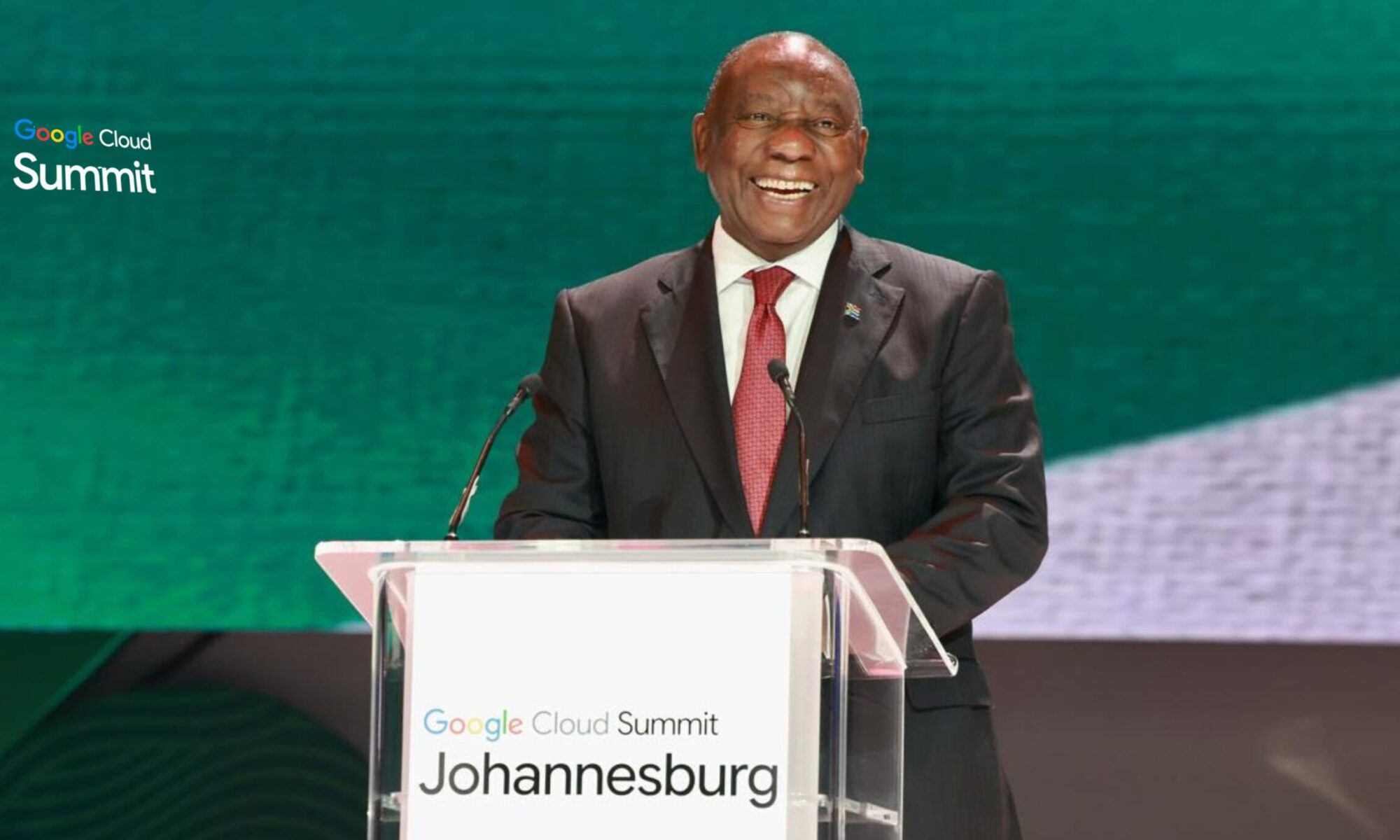
South Africa’s AI Future: Key Takeaways From President Ramaphosa’s Google Cloud Summit Address

South Africa's AI Future: Key Takeaways From President Ramaphosa's Google Cloud Summit Address

South Africa is no longer asking for a seat at the world’s technology table. According to President Cyril Ramaphosa, the country is preparing to help build the table itself, and that may be the most important economic conversation happening on the African continent this year.

SFI.COZA Analysis

SFI.COZA Analysis | Technology | Artificial Intelligence | Business | South Africa

The digital economy no longer belongs only to global technology giants. Increasingly, it belongs to everyone prepared to participate. That was perhaps the strongest message delivered throughout President Ramaphosa’s address.

Rather than presenting Africa as a continent waiting patiently for innovation to arrive from overseas, he described an Africa determined to become one of the places where innovation is imagined, tested and exported. That is an important distinction.

For decades, conversations about African technology usually began with what the continent lacked, limited infrastructure, unreliable electricity, slower internet penetration or investment gaps, but this speech deliberately shifted the narrative toward capability, investment and long-term competitiveness, reflecting a growing confidence shared by economists, investors and technology companies alike.

South Africa's AI Future: Key Takeaways From President Ramaphosa's Google Cloud Summit Address Share on X
image 31

One sentence stood above almost everything else. The President argued that railways powered the Industrial Revolution and electricity powered the twentieth century, while cloud computing and artificial intelligence will power the twenty-first.

History supports this thinking.

Every major economic transformation has depended on infrastructure before innovation could flourish. Railways allowed industries to scale across countries. Electricity transformed factories into engines of mass production. The internet connected global markets in ways unimaginable only a generation earlier. Cloud computing represents the next stage of that evolution.

Companies no longer need expensive physical servers hidden inside office buildings. Instead, businesses can rent computing power almost instantly through providers such as Google Cloud, Microsoft Azure and Amazon Web Services, reducing costs while dramatically increasing flexibility. Artificial intelligence builds upon that foundation. Without cloud infrastructure, large-scale AI becomes extraordinarily difficult. Ramaphosa’s speech therefore was not simply about computers.

It was about economic architecture.

South Africa's AI Future: Key Takeaways From President Ramaphosa's Google Cloud Summit Address Share on X
image 32

Google’s decision to host its first African Google Cloud Summit in South Africa was hardly accidental. Several factors continue to position the country as one of Africa’s strongest technology ecosystems.

South Africa hosts approximately seventy percent of Africa’s hyperscale data centre capacity, making it the continent’s largest cloud market. Cape Town consistently ranks among Africa’s strongest startup ecosystems, supported by respected universities, experienced engineers, sophisticated financial markets and a growing venture capital landscape.

@anele.ai

Had such a fun time at the @Google Cloud Summit!๐Ÿฅฐ will do follow up videos to share what I picked up๐Ÿคญโšก๏ธ stay tuned! #googlecloudsummit #buildingforafrica #ai #techtok #tiktoksouthafrica

โ™ฌ Special Paradise – Rafael P.

International research supports this momentum.

A 2024 report by McKinsey & Company found that cloud adoption among many African businesses now rivals adoption rates seen in North America and China, illustrating that African companies increasingly embrace digital transformation instead of waiting for global trends to mature. That finding challenges an outdated stereotype suggesting African businesses remain technologically behind. Many are not. Many simply operate differently.

South Africa's AI Future: Key Takeaways From President Ramaphosa's Google Cloud Summit Address Share on X
image 33

One aspect of the speech deserves more attention than it has received. Artificial intelligence was not presented merely as another emerging technology. Instead, Ramaphosa described AI alongside electricity, steam engines and the internet, effectively placing it among history’s general-purpose technologies.

Economists frequently use that term to describe inventions capable of transforming almost every sector simultaneously. Electricity changed manufacturing. The internet transformed communication. Artificial intelligence may reshape healthcare, education, agriculture, finance, logistics, legal services and public administration during the coming decades.

This explains why governments around the world increasingly compete to attract cloud investment. They understand that whoever builds digital infrastructure today strengthens economic competitiveness tomorrow. South Africa appears determined not to miss that opportunity.

South Africa's AI Future: Key Takeaways From President Ramaphosa's Google Cloud Summit Address Share on X

Large policy announcements often feel distant from ordinary people. Cloud computing sounds technical. Artificial intelligence sounds intimidating. Yet the practical applications mentioned throughout the address felt surprisingly relatable. Imagine farmers predicting rainfall with greater precision.

@waydacayn

This is what was said at the Google Cloud Summit in Joburg 2026 #waydacayn #GooogleCloudSummit #BuildingForAfrica #tech #fyp @Google

โ™ฌ Ambient Pathways – Kairo Vale

Hospitals identifying diseases earlier. Traffic systems reducing congestion automatically. Schools delivering personalised educational content regardless of geography. Scientists modelling climate change more accurately. Energy providers balancing electricity demand using predictive algorithms.

These are not science-fiction scenarios. Versions already exist across different parts of the world. The challenge now involves making them accessible across South Africa while ensuring that local innovators build solutions suited to African realities rather than importing every answer from overseas.

South Africa's AI Future: Key Takeaways From President Ramaphosa's Google Cloud Summit Address Share on X

One detail slipped into the speech without much fanfare. Cape Town recently ranked among Africa’s strongest startup ecosystems according to the Global Startup Ecosystem Index. That matters. Technology clusters rarely emerge overnight.

They develop through universities, investment, entrepreneurship, experienced founders, skilled graduates, and companies willing to take calculated risks. Cape Town increasingly resembles that kind of environment. Johannesburg continues leading financial innovation.

Pretoria contributes engineering and research capacity. Durban grows steadily through logistics and digital commerce. Rather than competing against each other, these cities increasingly complement one another within South Africa’s broader innovation landscape. The country’s technology story therefore becomes larger than any individual company.

It becomes national infrastructure.

South Africa's AI Future: Key Takeaways From President Ramaphosa's Google Cloud Summit Address Share on X

Image: President Cyril Ramaphosa at the Google Cloud Summit Johannesburg | Image Courtesy: The Presidency

Leave a Reply

Your email address will not be published. Required fields are marked *

This site uses Akismet to reduce spam. Learn how your comment data is processed.

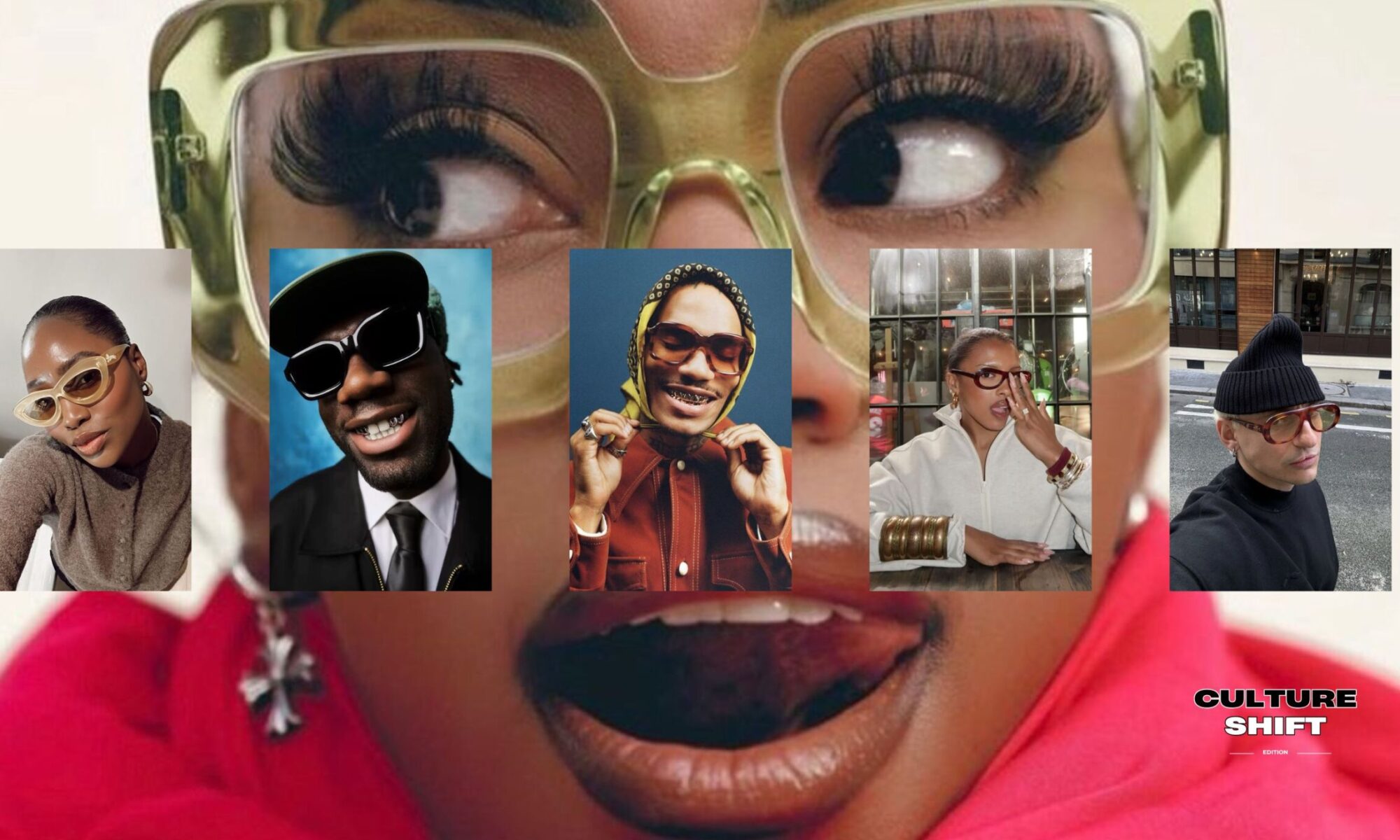
How Sunglasses Became Essential for Content Creators: A Trend Explained

How Sunglasses Became Essential for Content Creators: A Trend Explained

The accessory that quietly evolved from practical eyewear into one of the creator economy’s most recognisable symbols of identity, confidence, and visual storytelling. There was a time when sunglasses lived a simple life. They protected your eyes from harsh sunlight, completed a summer outfit, and disappeared into the glove compartment of your car until the next holiday arrived. Today, they occupy an entirely different position within modern culture. They appear inside podcast studios, creative offices, luxury cafรฉs, airport terminals, fashion shows, music videos and even on overcast mornings when the sun has politely decided to stay behind the clouds. Somewhere along the journey from analogue life to digital culture, sunglasses stopped being practical objects and quietly became creative assets.

At SFI.COZA, we spend an unusual amount of time observing culture before we write about it. Trends rarely announce themselves. They arrive through repetition, settle into everyday life and eventually become invisible because everyone accepts them as normal. That is exactly what happened here. The rise of sunglasses among content creators did not begin with one celebrity or one viral video. It emerged from thousands of creators, photographers, filmmakers, designers and entrepreneurs who gradually realised that one carefully chosen accessory could communicate confidence, consistency and personality before they even introduced themselves.

It sounds almost ridiculous when written on paper. It also happens to be true.

How Sunglasses Became Essential for Content Creators: A Trend Explained Share on X
SFI.COZA 2026 07 08T155842.018

The creator economy has transformed appearance into communication. Every photograph, every thumbnail, every profile picture and every podcast clip contributes to an identity that audiences learn to recognise almost instantly. Recognition has become one of the most valuable forms of digital currency because attention spans continue to shrink while visual competition continues to expand.

Creators quickly understood something that fashion houses mastered decades ago. Consistency creates familiarity, and familiarity creates trust. A signature jacket. A particular hairstyle. A favourite watch. A distinct colour palette.

Sunglasses entered this conversation because they solved several creative challenges at once without appearing forced. They framed the face, softened expression, reduced visual distractions and established a recognisable silhouette that remained consistent across different locations and lighting conditions.

That level of consistency matters more than many people realise.

How Sunglasses Became Essential for Content Creators: A Trend Explained Share on X
SFI.COZA 2026 07 08T155738.017

Personal branding often receives criticism because people mistake it for performance. In reality, successful branding rarely depends upon pretending to become somebody else. It depends upon making intentional decisions repeatedly until those decisions become inseparable from your identity. Perhaps the most interesting aspect of this trend is its restraint.

Sunglasses rarely demand attention through loud colours or extravagant styling. The strongest examples often appear surprisingly understated. Black frames. Brown lenses. Timeless proportions. Quality materials.

That simplicity communicates confidence because it suggests the creator already understands who they are. Nothing appears forced. Nothing feels performative. The accessory simply becomes part of the person.

Consider how quickly certain public figures become recognisable through one visual element. Fashion editors identify Anna Wintour through her signature sunglasses and hairstyle. Karl Lagerfeld became inseparable from his dark glasses, gloves and tailored suits. Contemporary artists such as Pharrell Williams and A$AP Rocky approach accessories with similar discipline, treating clothing and eyewear as extensions of creative direction rather than decorative afterthoughts.

Creators have adopted the same philosophy. The camera rewards visual consistency. The audience remembers visual consistency. Algorithms quietly reward familiarity because recognisable content often earns stronger engagement over time.

How Sunglasses Became Essential for Content Creators: A Trend Explained Share on X
SFI.COZA 2026 07 08T155657.407

Working in media teaches a lesson that many viewers never consider. Standing in front of a camera remains an unusual experience regardless of experience or confidence. Human beings naturally respond to eye contact. Recording videos introduces a strange version of that interaction because the camera lens quietly imitates another person’s gaze.

Sunglasses reduce some of that pressure.

Research surrounding enclothed cognition, explored by psychologists from Northwestern University, demonstrates that clothing influences confidence, decision-making and behaviour. What people wear often changes how they perceive themselves during a task. Sunglasses appear to produce a similar effect for many creators because they introduce a subtle layer of emotional distance while preserving direct communication.

The result feels natural rather than theatrical. Confidence rarely arrives through dramatic gestures. Small adjustments often produce the greatest changes.

How Sunglasses Became Essential for Content Creators: A Trend Explained Share on X
SFI.COZA 2026 07 08T155546.975

Photography has always favoured structure, proportion and recognisable shapes. Sunglasses naturally create stronger geometry across the face, particularly during portrait photography and video production where facial balance becomes increasingly important.

Creators understand this instinctively. Rectangular frames produce authority.

Round frames introduce softness. Oversized frames create drama. Minimal black acetate frames communicate restraint. The decision extends beyond fashion because every frame contributes to visual storytelling.

That explains why many creators continue wearing the same eyewear across multiple years rather than chasing every seasonal trend. Consistency carries greater value than novelty.

How Sunglasses Became Essential for Content Creators: A Trend Explained Share on X

Luxury fashion houses have treated eyewear as identity rather than utility for decades. Brands including Ray-Ban, Cartier, Saint Laurent, Prada, Gentle Monster, Jacques Marie Mage and Tom Ford understand that sunglasses occupy a unique position within fashion because they remain directly connected to the face.

Unlike handbags or shoes, eyewear appears in almost every photograph.

That visibility transforms sunglasses into one of the strongest personal branding tools available. Luxury consumers understand this. Creators understand it as well.

How Sunglasses Became Essential for Content Creators: A Trend Explained Share on X

Social media platforms encourage frequent publishing, but audiences reward familiarity.

The most memorable creators rarely depend upon elaborate production budgets. Instead, they establish visual systems that audiences immediately recognise. A familiar editing style. Consistent typography. Predictable colour grading. Carefully selected clothing. Signature eyewear.

Marketing researchers describe these elements as distinctive brand assets because repeated exposure strengthens recall over time. Personal brands operate according to the same principle. Recognition arrives through repetition. Trust follows recognition. Opportunity often follows trust.

How Sunglasses Became Essential for Content Creators: A Trend Explained Share on X

Many discussions surrounding creator culture focus on cameras, algorithms, artificial intelligence and production quality. Those conversations matter. They overlook something more fundamental.

People remember identity before they remember equipment. Technology changes quickly. Platforms evolve. Algorithms continue shifting. Identity remains remarkably durable.

Sunglasses have become symbolic of that larger transformation because they represent intentionality rather than fashion alone. They remind us that modern creators build businesses through consistency, discipline and visual storytelling instead of chasing every passing trend.

At SFI.COZA, we believe culture often reveals itself through details that most people overlook. Sunglasses appear simple. Their cultural significance tells a much richer story. They reflect the evolution of personal branding, the maturity of the creator economy and a generation that understands appearance not as vanity, but as communication. The creators shaping tomorrow’s media landscape rarely leave their identity to chance, and perhaps that explains why one carefully chosen pair of sunglasses continues appearing wherever thoughtful storytelling exists.

Sometimes the smallest creative decision becomes the most memorable one.

Leave a Reply

Your email address will not be published. Required fields are marked *

This site uses Akismet to reduce spam. Learn how your comment data is processed.

99-Cent Bread at Boxer and Pick n Pay: How FNB eBucks Is Saving South Africans

99-Cent Bread at Boxer and Pick n Pay: How FNB eBucks Is Saving South Africans

There are very few things capable of stopping a South African mid-scroll these days. A Springbok victory? Absolutely. A viral taxi video? Without question. A celebrity breakup? Maybe. But tell someone they can buy a loaf of bread for 99 cents, and suddenly everybody becomes an economist, a grocery expert, and a financial planner, all before breakfast.

At SFI.COZA, we love stories that seem ordinary on the surface but quietly reveal something much bigger underneath. A loaf of bread isn’t exactly luxury fashion or cutting-edge technology, yet it remains one of the most important items in almost every South African home. When the country’s biggest bank decides to make that loaf cost less than a rand, the conversation becomes far more interesting than simply saving a few coins.

It becomes a story about affordability. About dignity. About consumer behaviour. And perhaps most importantly, about how brands are beginning to understand that the quickest way into someone’s heart isn’t another flashy advertisement, it’s helping them save money on something they actually need. Sometimes the biggest innovations don’t arrive wrapped inside artificial intelligence.

99-Cent Bread at Boxer and Pick n Pay: How FNB eBucks Is Saving South Africans Share on X

From 1 July, FNB eBucks expanded its successful bread rewards programme by partnering with Boxer, alongside its existing relationship with Pick n Pay.

The concept is refreshingly simple.

image 27

Eligible FNB Easy, Aspire, and Prime Life customers only need to purchase any item in-store at Boxer. From the following week, they qualify to buy up to four loaves of bread each month for just 99 cents each. No complicated points calculations. No confusing reward tiers. No mathematical equation that requires a finance degree.

Just swipe. Shop. Save. Sometimes simplicity really is revolutionary.

image 29

According to eBucks CEO Pieter Woodhatch, the expansion isn’t simply about adding another retailer. It’s about reaching more South Africans.

Boxer serves communities that traditional supermarkets don’t always reach as effectively, giving FNB access to entirely new customer segments while providing greater convenience for existing clients.

As Woodhatch explained, the goal is straightforward:

“We want to meet every client in the context they’re in and give them value.”

It’s a sentence that sounds deceptively simple. But behind it sits a growing trend in modern banking. Banks are no longer competing solely through interest rates. They’re competing through everyday experiences.

image 28

Surprisingly… Yes. According to FNB, every discounted loaf represents roughly R11 in value. Multiply that by four loaves each month, and customers receive around R44 worth of savings. For entry-level banking clients paying monthly account fees between R30 and R50, those savings can effectively offset a significant portion, or even all, of their banking costs.

That’s not marketing fluff. That’s practical household economics.

Not long ago, loyalty programmes felt like pleasant extras. Today, they’re becoming financial tools. Consumers increasingly expect their banks, supermarkets and retailers to work together in helping reduce everyday expenses.

The relationship has evolved. Instead of simply asking, “Where should I bank?” People now ask, “Which bank genuinely improves my daily life?” That’s a far more competitive question. This partnership also highlights something happening throughout South African retail. Competition is shifting away from individual stores and towards ecosystems.

Banks. Retailers. Rewards programmes. Digital payments. Online shopping. Delivery services. These experiences increasingly work together rather than independently. The brands succeeding today aren’t necessarily those offering the cheapest products. They’re creating the easiest customer journey.

And convenience has become its own currency.

If you’re already banking with FNB and qualify for the programme, there’s little reason not to use it. Saving money on essential groceries, even modest amounts, adds up over time, particularly as food inflation continues affecting household budgets.

For anyone considering switching banks, however, this benefit should be viewed as one factor among many, alongside fees, service quality, digital banking features, and overall financial needs. The bread is a welcome bonus, not the only reason to choose a bank.

At SFI.COZA, we believe the smartest businesses aren’t always those with the loudest advertising campaigns. They’re the ones paying close attention to everyday life, understanding that helping someone save R44 a month can mean far more than another glossy commercial ever could.

Because while a loaf of bread may cost only 99 cents through this programme, the trust it builds between a customer and a brand could prove priceless.

99-Cent Bread at Boxer and Pick n Pay: How FNB eBucks Is Saving South Africans Share on X

Leave a Reply

Your email address will not be published. Required fields are marked *

This site uses Akismet to reduce spam. Learn how your comment data is processed.

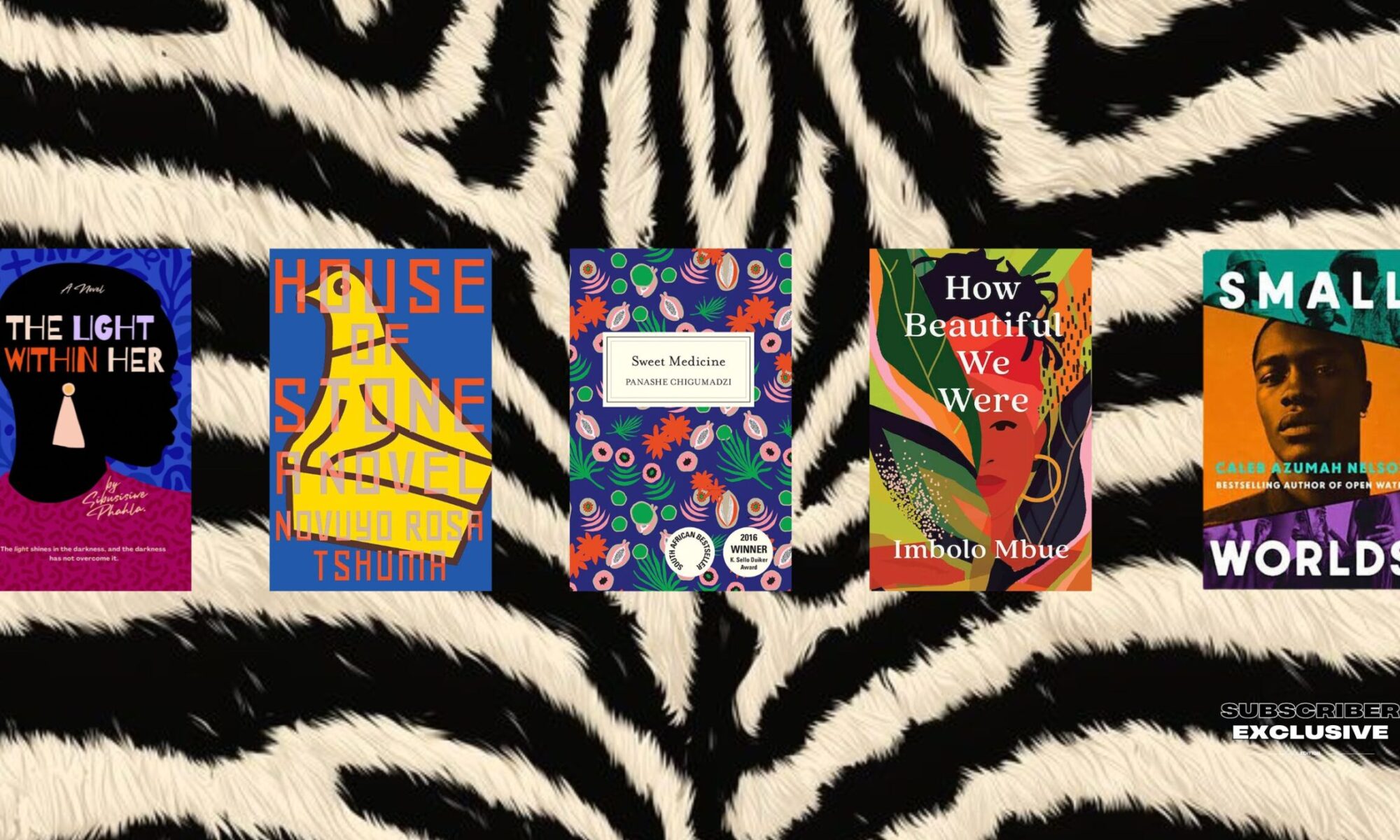
The New Generation of African Authors

The New Generation of African Authors

There is a question I keep asking myself every time I walk into a bookstore… Why does Africa still surprise people? Not because we lack talent. Quite the opposite. It surprises me because after decades of producing some of the world’s most influential writers, there are still readers who act as though African literature is something they accidentally discovered between the travel guides and cookbooks. It is a little like discovering water and announcing it as a new invention.

At SFI.COZA, we believe curiosity deserves rewarding, and few things reward curiosity better than a brilliant book. Somewhere between Johannesburg, Lagos, Accra bookstores, and Nairobi apartments, a remarkable generation of writers has quietly been changing global literature. They’re simply writing stories so unforgettable that the rest of the world has no choice but to pay attention.

I should probably admit something… My bookshelf has become financially irresponsible. Every month I promise myself, “No more books.” Then another African novel appears, wearing a beautiful cover and whispering, “Just one more chapter.” Before I know it, I’m carrying another hardback home like it’s a newborn child. Books have that effect. Especially African literature. Because today’s writers aren’t simply telling stories. They’re documenting a continent that refuses to fit inside stereotypes.

The New Generation of African Authors Share on X

For many readers, African literature begins with literary giants like Chinua Achebe, Ngลฉgฤฉ wa Thiong’o, Nadine Gordimer, or Wole Soyinka. Their work reshaped global understanding of colonialism, identity, and independence and continues to inspire writers across continents.

SFI.COZA 2026 07 07T184003.172

But something fascinating has happened over the last fifteen years. A younger generation has arrived, not to replace these legends, but to continue the conversation in entirely new ways.

Instead of writing only about colonial histories, these authors explore mental health, technology, migration, love, fashion, ambition, family expectations, spirituality, and modern African identity with remarkable confidence. Africa is no longer merely the setting.

It is the perspective.

One of my favourite literary developments is watching African books stop being described as “African books.” They’re simply… great literature. Yaa Gyasi‘s Homegoing travels across centuries while exploring family, slavery, and belonging with breathtaking emotional intelligence.

SFI.COZA 2026 07 06T203237.128

Then there is Caleb Azumah Nelson, the Ghanaian-British novelist whose debut Open Water quietly became one of the most celebrated literary novels of recent years.

Reading Nelson feels less like consuming a novel and more like listening to jazz at midnight. His sentences breathe. They linger. They remind us that tenderness is still revolutionary.

SFI.COZA 2026 07 07T183043.134

One of my favourite literary developments is watching African books stop being described as “African books.” They’re simply… great literature.

Yaa Gyasi’s Homegoing travels across centuries while exploring family, slavery and belonging with breathtaking emotional intelligence.

Meanwhile, Oyinkan Braithwaite managed something extraordinary with My Sister, the Serial Killer. She made murder funny. Well… Almost. The novel combines dark humour, suspense and family drama with such effortless confidence that readers often find themselves laughing before immediately questioning whether they should have laughed at all.

image 25

That emotional contradiction is exactly what great literature does.

The New Generation of African Authors Share on X

Perhaps the most exciting transformation is the remarkable rise of African women whose voices are reshaping publishing worldwide.

Sisanda Phahla, we live in a world that prizes what can be measured: blood pressure, medical reports, stock prices, and Instagram followers. Yet Sisanda Phahla reminds us of something modern society conveniently ignores: not everything thatโ€™s real can be seen. Her novel insists that hope, prayer, and inner strength arenโ€™t clichรฉs; they are lifelines. For South Africans navigating hardship, loss, and uncertainty, The Light Within Her is more than entertainment. Itโ€™s a mirror. It forces us to ask, when the systems around us fail, what do we hold on to?

SFI.COZA 2026 07 07T184606.437

Imbolo Mbue, through Behold the Dreamers, explored immigration, capitalism and the American Dream with extraordinary empathy.

SFI.COZA 2026 07 07T184907.508

Novuyo Rosa Tshuma examines Zimbabwe’s complicated political history while refusing simplistic answers.

SFI.COZA 2026 07 07T185253.861

Panashe Chigumadzi challenges inherited narratives with fearless intellectual honesty.

SFI.COZA 2026 07 07T185509.485

Meanwhile, Jennifer Nansubuga Makumbi continues introducing Ugandan storytelling traditions to international audiences without compromising authenticity.

image 26

These women are not writing to represent Africa. They’re writing because their stories deserve to exist. That confidence changes everything.

Ask someone under 35 years old what they’re reading, and you’ll often hear something refreshingly different. They’re searching for stories that feel emotionally recognisable. Characters who overthink text messages. Families balancing tradition with modernity.

Creatives chasing impossible dreams. Entrepreneurs navigating uncertainty. Young people trying to understand themselves. Sound familiar? That’s because today’s African literature isn’t trying to educate outsiders. It’s speaking directly to people living these experiences.

Ironically, that authenticity makes the stories universal.

The New Generation of African Authors Share on X

For years people insisted that social media would destroy reading. Apparently nobody informed BookTok. Or Bookstagram. Or thousands of African readers recommending novels every single day. Platforms like Instagram, TikTok and YouTube have transformed literary discovery into a community experience.

Readers aren’t simply reviewing books anymore. They’re crying together. Laughing together. Arguing passionately over fictional characters who somehow feel like extended family members. Honestly…

I’ve witnessed debates about fictional relationships more intense than actual political discussions. Literature remains wonderfully dramatic.

If someone asked me where the most exciting literature is coming from today, I wouldn’t hesitate. Africa. Not because I’m trying to be patriotic. Because I’m trying to be honest. We’re witnessing writers who blend philosophy with humour, memory with imagination, history with hope, all while refusing to simplify who we are for anyone else’s comfort.

At SFI.COZA, we believe understanding culture begins with understanding the people courageous enough to write it down. The next literary classic may not arrive from where the publishing world expects. It may emerge from a small apartment in Johannesburg. A university residence in Kampala.

A cafรฉ in Lagos. Or a quiet room in Accra where someone is writing sentences that will eventually travel farther than they ever imagined. So here’s my advice. Buy the book. Read slowly. Underline your favourite lines. Lend it to a friend who promises to return it and quietly accept that they probably won’t. Because the finest books have always shared one beautiful quality. They refuse to stay on the shelf.

The New Generation of African Authors Share on X

Further Reading & References

  • Wikipedia โ€” Contemporary African literature; biographies of featured authors.
  • The Booker Prize Foundation โ€” Booker Prize shortlisted African authors.
  • Penguin Random House โ€” Author profiles and publications.
  • The Guardian Books โ€” Interviews and reviews of contemporary African writers.
  • The New York Times Books โ€” Literary criticism and author features.
  • Brittle Paper โ€” Africa’s leading literary platform covering emerging voices.
  • LitHub (Literary Hub) โ€” Essays and interviews with contemporary African authors.
  • Publishers Weekly โ€” Reviews and publishing insights on African literature.

Published by SFI.COZA โ€” More than an online magazine. A place to understand what matters.

Leave a Reply

Your email address will not be published. Required fields are marked *

This site uses Akismet to reduce spam. Learn how your comment data is processed.

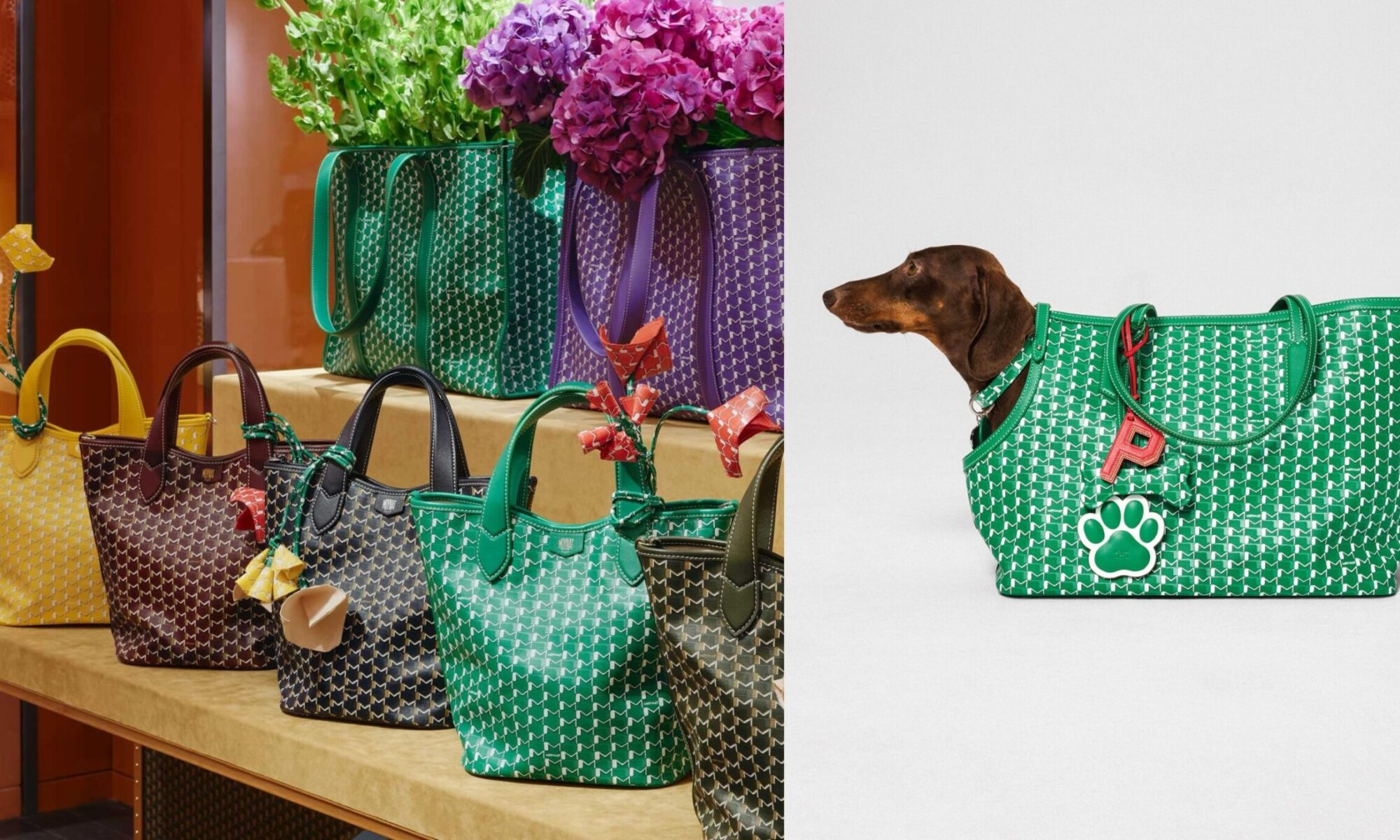
Moynat’s First Italian Boutique Is Every Bag Lover’s Dream | And These 5 Pieces Are Impossible to Ignore

Moynatโ€™s First Italian Boutique Is Every Bag Loverโ€™s Dream | And These 5 Pieces Are Impossible to Ignore

Women have a confession. If you leave them alone in a luxury boutique for twenty minutes, there is a very real possibility that they will emerge emotionally attached to a handbag they absolutely did not plan on meeting. It’s never intentional.

One minute they’re telling themselves, “You’re just here to appreciate the craftsmanship.” Five minutes later, they’re running fingers over buttery leather, inspecting the stitching as though they’re preparing it for an Olympic judging panel, convincing themselves that buying a beautiful bag is less of a purchase and more of… emotional growth.

Moynat's First Italian Store & The 5 Must-Have Women's Bags Share on X

Handbags have that effect. Not because they’re expensive. Not because they’re fashionable. But because every truly great bag feels like it already knows the woman who’s going to carry it.

Some bags shout. Others whisper. And then there’s Moynat. Moynat doesn’t enter the room looking for applause. She doesn’t need oversized logos, dramatic campaigns, or celebrity chaos to announce herself. She simply arrives, quietly and beautifully, and somehow becomes the most interesting thing in the room.

That’s exactly why the opening of Moynat’s first Italian boutique in Milan feels so special. This isn’t another luxury store opening. It’s the arrival of a house that has spent more than 175 years proving that elegance never needs to raise its voice. And honestly… I adore that.

The Luxury House Women Should Know More About

SnapInsta.to 670974324 18586708192000878 2810984536727412012 n

Founded in 1849 by Pauline Moynat, the Maison is one of France’s oldest luxury leather houses, established decades before many of today’s biggest fashion names.

Long before luxury travel became glamorous, Pauline Moynat was designing beautifully crafted trunks for aristocrats travelling across Europe in horse-drawn carriages. She wasn’t simply making luggage.

She was designing experiences. As one of the first female entrepreneurs in luxury craftsmanship, Pauline understood something many brands still struggle to grasp today. More than 175 years later, that philosophy continues to define every Moynat creation.

Milan Was the Perfect Choice

SnapInsta.to 708794190 18597841243000878 652342721654796499 n

There are cities that understand fashion. Then there’s Milan. Opening Moynat’s first Italian boutique on Via Monte Napoleone, one of the world’s most prestigious luxury shopping streets, feels almost poetic.

During Milan Design Week, while the city buzzed with architects, designers, and collectors discussing the future of creativity, Moynat quietly reminded everyone where exceptional design truly begins. Rather than filling the boutique with handbags on glass shelves, the Maison transformed the space into an artistic exhibition celebrating the object that built its reputation: the trunk.

Designers Hall Haus, Marianna Ladreyt, and Michael Samuels each reimagined Moynat’s iconic travel trunks as contemporary works of art.

SnapInsta.to 726620980 18604051120000878 1948877761354458772 n

SnapInsta.to 729128211 18605909419000878 7914617465498689220 n 1

SnapInsta.to 728653442 18604979131000878 3394644993911716277 n
SnapInsta.to 520686254 18523052761000878 7628249044222195326 n

SnapInsta.to 729754651 18605267971000878 5064139786040506925 n

Something fascinating is happening across fashion. Consumers are becoming increasingly interested in the story behind the object rather than simply the object itself.

Reports from McKinsey & Company and The Business of Fashion consistently highlight that younger luxury consumers increasingly value craftsmanship, sustainability, and authenticity over conspicuous branding.

That explains why houses like Moynat are attracting renewed attention. Luxury buyers increasingly want meaning. Not marketing.

Moynat's First Italian Boutique Is Every Bag Lover's Dream | And These 5 Pieces Are Impossible to Ignore Share on X

Leave a Reply

Your email address will not be published. Required fields are marked *

This site uses Akismet to reduce spam. Learn how your comment data is processed.

What to watch on DStv Compact July 2026

What to watch on DStv Compact July 2026

There are two kinds of people in July. The first confidently says, “I’m only watching one episode.” The second looks outside at sunrise, wondering why Netflix has politely asked, “Are you still watching?”

At SFI.COZA, we’ve accepted that good television has become a lifestyle. It’s how we unwind after impossible deadlines, avoid replying to WhatsApp messages we definitely saw, and somehow convince ourselves that “research” includes watching an entire season in one weekend.

Fortunately, July 2026 isn’t making moderation any easier. Between the FIFA World Cupโ„ข, gripping South African dramas, addictive reality television, luxury travel competitions, and enough true crime to make you suspicious of your own neighbours, this month’s entertainment calendar feels unusually rich.

Here are ten reasons it is about to become even longer.

What to watch on DStv Compact July 2026 Share on X

Every family has that one uncle who confidently predicts every score… while somehow getting every prediction spectacularly wrong. As the tournament builds towards the 19 July Final, billions of viewers will tune in for football’s biggest spectacle. But the World Cup has evolved beyond sport. It has become a masterclass in branding, storytelling, culture, technology and global entertainment.

For marketers, creators and entrepreneurs, there is as much to learn from FIFA’s production as there is from the football itself.

Marriage… Most people prefer to know someone’s surname before saying “I do.” The contestants on Married at First Sight Mzansi clearly enjoy making life considerably more interesting. Season 3 introduces eight new strangers willing to marry someone selected entirely by relationship experts.

The expert panel returns with the following:

  • Thabang Mashigo
  • Dr Mpume Zenda
  • Pastor Xolani Hiltana
  • Bakhe Dlamini

Whether you’re watching for genuine romance or spectacular awkward silences at the wedding altar… Nobody is judging.

Well… maybe just a little.

image 21

Some television entertains. Other television quietly asks,

“Exactly how far would you go to save the people you love?”

Angela Makholwa’s bestselling novel Critical But Stable finally reaches television, bringing together an exceptional South African cast led by the following:

  • Lawrence Maleka
  • Fortune Thobejane
  • Thabo Malema
  • Batsile Ramasodi

The story follows lifelong friends whose desperate insurance scheme spirals into something far darker. Makholwa has spent years establishing herself as one of South Africa’s finest crime writers, and expectations for this adaptation are understandably high.

image 22

Luxury travel content has become strangely competitive. Apparently staying in a beautiful lodge is no longer enough. Now someone must also film cinematic drone footage while slowly pouring coffee into a handmade ceramic cup.

BBC Lifestyle’s Hidden Gems: South Africa embraces exactly that energy, in the best possible way. Travel creators including Tebogo Pin-Pin, Linda Munnik and Melissa Blanche compete to showcase South Africa’s most remarkable destinations.

The finale promises breathtaking scenery while reminding audiences something important: Sometimes the world’s best destinations are closer than we think.

If your algorithm somehow knows you enjoy documentaries involving detectives…

You’re not alone. Series like Lethally Blonde, hosted by Holly Madison, continue demonstrating how audiences remain fascinated by stories exploring celebrity, ambition and crime. Perhaps it’s curiosity. Perhaps it’s psychology.

Or perhaps we’re all secretly convinced we’d solve every case before the detectives do.

Frequently Asked Questions

What are the best TV shows to watch in July 2026?

Some of the biggest releases include Married at First Sight Mzansi Season 3, Critical But Stable, Hidden Gems: South Africa, FIFA World Cup 2026 coverage and Lethally Blonde.

Where can I watch Married at First Sight Mzansi?

The series airs on Mzansi Magic and streams on Showmax.

What is Critical But Stable about?

Based on Angela Makholwa’s bestselling novel, the drama follows childhood friends whose desperate insurance scam threatens their friendships, families and futures.

When is the FIFA World Cup Final?

The FIFA World Cup 2026 Final takes place on 19 July 2026.

  • FIFA โ€“ FIFA World Cup
  • DStv July 2026 Highlights
  • Showmax South Africa
  • Mzansi Magic
  • BBC Lifestyle
  • Angela Makholwa (author bibliography)
  • Wikipedia โ€“ FIFA World Cup
  • Glamour South Africa (Married at First Sight Mzansi coverage)
  • Sowetan (Critical But Stable coverage)
  • BBC Africa โ€“ Hidden Gems: South Africa

Source material provided by the user was incorporated in preparing this article.

Leave a Reply

Your email address will not be published. Required fields are marked *

This site uses Akismet to reduce spam. Learn how your comment data is processed.

Inside the Creative Mind: Zizipho Poswa

Inside the Creative Mind: Zizipho Poswa

There is a particular kind of silence that settles over a gallery when people encounter extraordinary art. It is not the silence of confusion, nor the polite quiet usually associated with museums. Rather, it is the silence that arrives when people suddenly realize they are standing in front of something bigger than an object. At SFI.COZA, we experienced precisely this feeling when revisiting the work of South African sculptural artist Zizipho Poswa, whose monumental ceramic sculptures have become some of the most compelling contemporary artworks emerging from the African continent today.

And let us be honest for a moment. Most of us grew up believing clay belonged either in school art classes or inside our grandmother’s kitchen cupboard. Then along comes Zizipho Poswa, casually transforming clay into museum-worthy masterpieces exhibited at Design Miami, the Metropolitan Museum of Art in New York, and some of the world’s most respected contemporary galleries. Not bad for a material many of us last touched while making slightly questionable ashtrays in primary school.

Yet reducing Poswa’s work to aesthetics alone would miss the point entirely.

The internationally acclaimed artist has built an extraordinary career by doing something profoundly powerful: preserving, honouring and reimagining African womanhood through sculpture.

image 65

Born on 5 December 1979 in Mthatha in South Africa’s Eastern Cape Province, Zizipho Poswa spent much of her childhood in the nearby village of Holela, surrounded by the rituals, traditions, and everyday realities of Xhosa life that would later become central to her artistic practice.

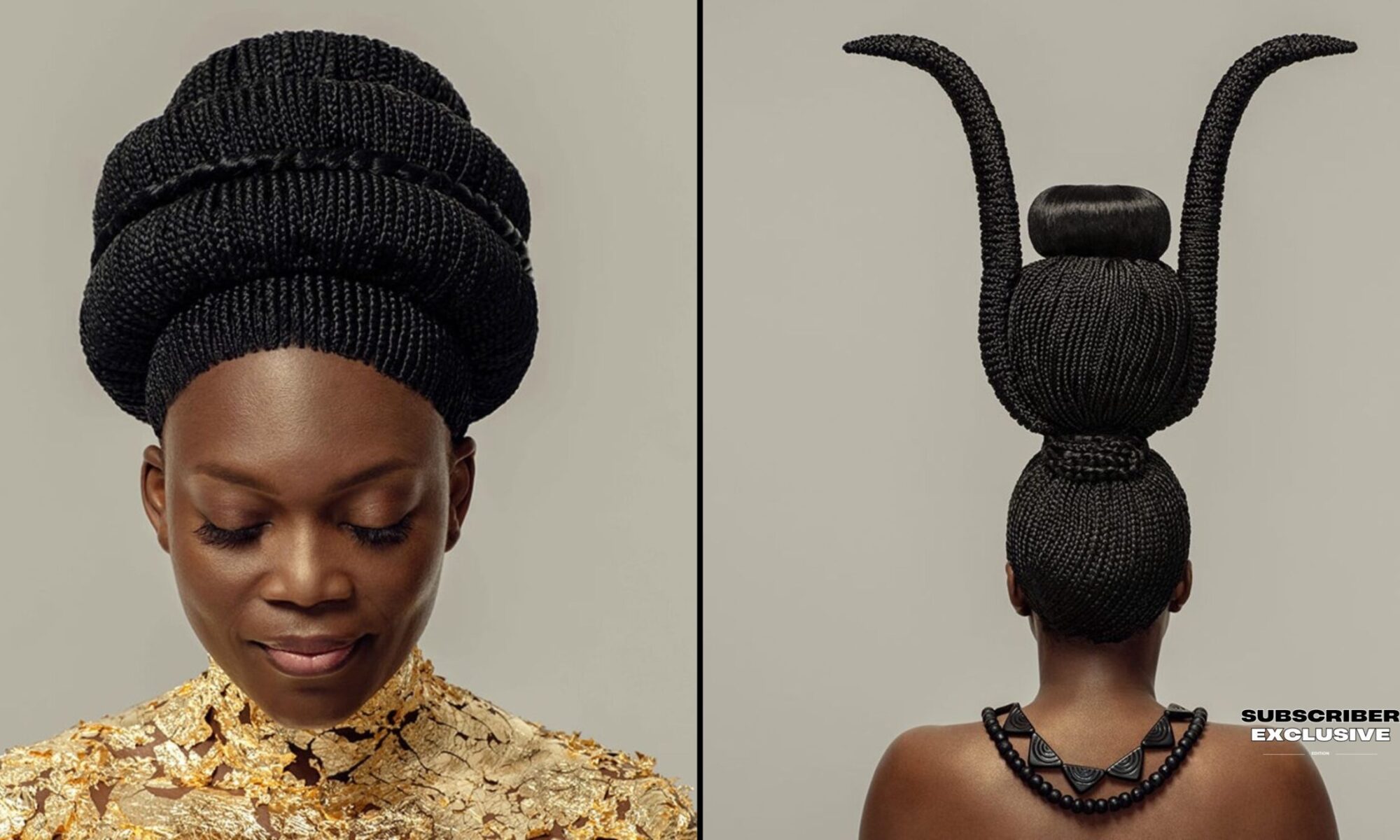
Unlike many artists whose creative journeys begin in formal studios, Poswa’s visual language was shaped by observation. She watched women balancing heavy loads on their heads while walking vast rural distances, witnessed elaborate hairstyling rituals unfold within homes and communities, and absorbed the symbolism embedded within Xhosa ceremonies, customs, and social structures.

These early experiences became an archive of memory that continues to inform her work.

image 66
Photos courtesy of Hayden Phipps/Southern Guild

Poswa later enrolled at the Cape Peninsula University of Technology, where she studied surface design specialising in textiles. The choice may initially appear unrelated to sculpture, but textile design profoundly influenced her artistic vocabulary. Pattern, repetition, rhythm, and surface decoration remain essential elements within her sculptural practice today.

Following graduation, Poswa spent a year working within the design and textile sector before gradually moving toward a more conceptual artistic practice.

In 2005, together with celebrated ceramic artist Andile Dyalvane, she co-founded Imiso Ceramics in Cape Town. The word Imiso translates to “tomorrow” in isiXhosa, a fitting name for a studio dedicated to imagining new futures through African creativity.

Nearly two decades later, Imiso Ceramics remains one of South Africa’s most important creative institutions.

What distinguishes Zizipho Poswa from many contemporary artists is her ability to transform deeply personal narratives into universal conversations. Her sculptures are immediately recognizable. Monumental in scale, hand-coiled, and extraordinarily intricate, they occupy space with remarkable confidence.

(Image credit: Hayden Phipps and Southern Guild)

Yet behind every sculptural form lies story. Poswa has repeatedly stated that her practice functions as a spiritual journey, explaining:

image 70

“Every series I undertake is a spiritual journey. I receive every message with so much importance and honour.”

image 72
Zizipho Poswa,ย Umthwalo 1ย (2018); Walford white clay.

This relationship between art, ancestry, and spirituality sits at the heart of her work. Her celebrated series Umthwalo, meaning “load,” honours Southern Africa’s rural women, acknowledging both the physical and emotional burdens many women carry daily. The towering sculptural forms reference the practice of balancing goods upon one’s head, an enduring image across rural communities throughout Africa.

image 71
Zizipho Poswa,ย Umthwalo 1ย (2018); Walford white clay.

In many ways, Umthwalo asks an important question: who carries society?

Poswa’s answer is unequivocal.

Women do.

One of Poswa’s most celebrated bodies of work, Magodi, explores the cultural significance of African hair salons.

image 73
Images courtesy of Hayden Phipps/ Southern Guildย .

Anyone familiar with African salon culture understands that salons are rarely only about hair. They are spaces of conversation, healing, laughter, entrepreneurship, gossip, political analysis and emotional support. In many communities, salons function as informal social institutions.

Poswa recognises this.

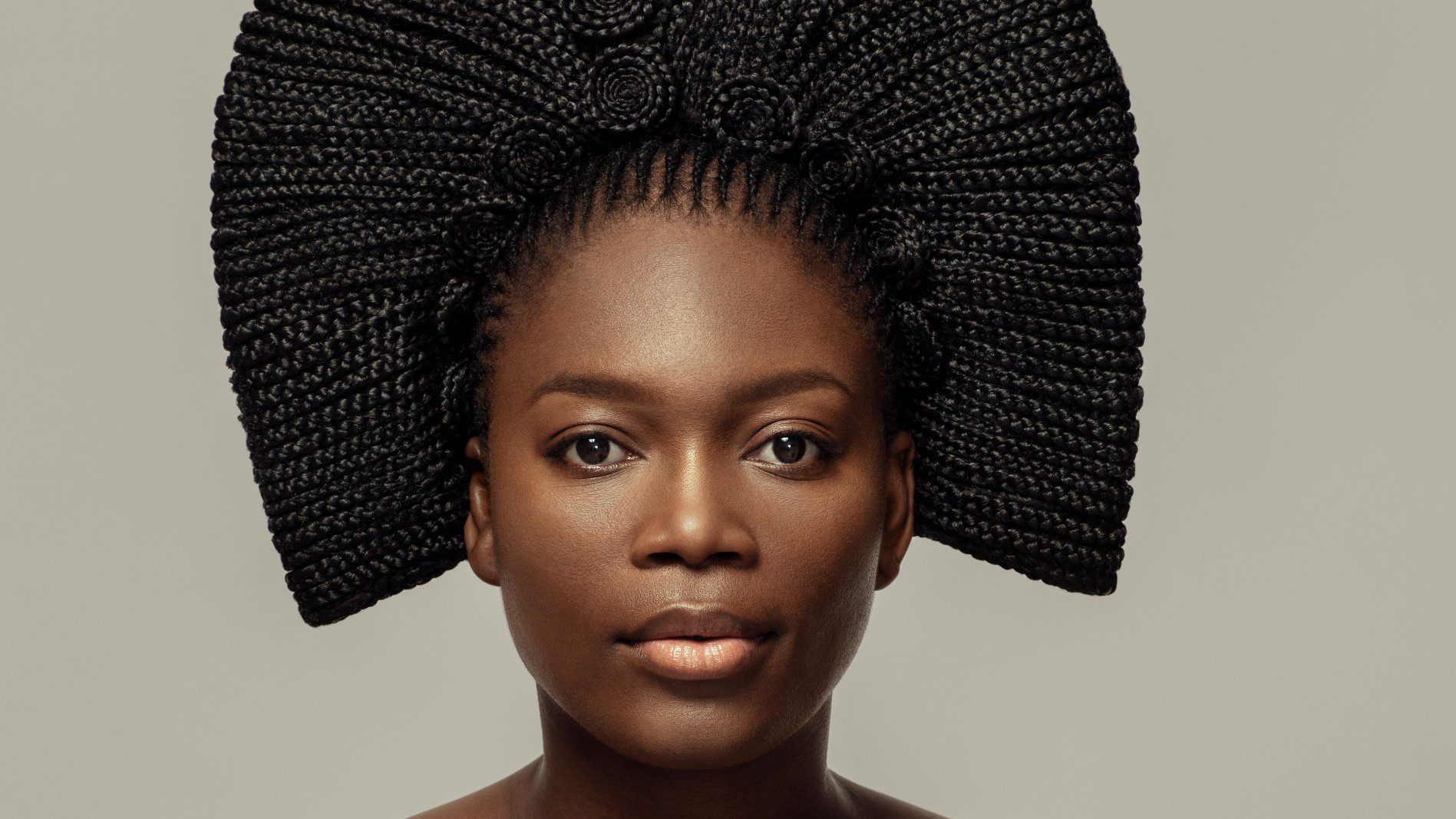
The sculptural forms within Magodi draw inspiration from elaborate hairstyles worn by women within her personal circle. Each work is named after a family member or close friend, transforming sculpture into both portrait and tribute.

image 74
Images courtesy of Hayden Phipps/ Southern Guildย .

Her more recent exhibition, uBuhle boKhokho (Beauty of Our Ancestors), presented at Southern Guild in Cape Town, expanded this exploration even further. The exhibition featured monumental clay and bronze sculptures inspired by traditional African hairstyles, alongside photographic works documenting the creation of twelve intricate styles.

image 75
Images courtesy of Hayden Phipps/ Southern Guildย .

The exhibition brilliantly demonstrated that African hair itself constitutes an archive of culture, identity and memory.

Another remarkable series, iLobola, draws inspiration from the Xhosa tradition of lobola, often translated as bride wealth.

images by Presented byย Southern Guild Silo 5, V&A Waterfront , Cape Town, Western Cape , 8001, ZA

Historically, cattle were offered by the groom’s family to the bride’s family as part of marriage negotiations. Poswa revisits these traditions not as static historical rituals but as living cultural practices that continue evolving within contemporary South African society.

This approach distinguishes her work from nostalgic representations of African heritage. Poswa does not romanticize tradition. Instead, she investigates how culture adapts, survives, and transforms across generations.

Her sculptures embody this tension beautifully. Ancient symbolism coexists alongside contemporary aesthetics, producing works that feel simultaneously ancestral and futuristic.

At SFI.COZA, we believe Poswa’s significance extends beyond the art world. In an era when African creativity is increasingly visible internationally, artists like Zizipho Poswa are ensuring that representation remains rooted in authenticity rather than trend.

Too often, global audiences consume Africa through simplistic narratives. Poswa disrupts those narratives. Her sculptures insist upon complexity.

They celebrate African women not merely as subjects but as knowledge holders, spiritual anchors, cultural custodians, and architects of society. Perhaps this explains why institutions including the Metropolitan Museum of Art, Design Miami and leading galleries worldwide have embraced her work. Collectors are not simply acquiring sculptures; they are acquiring stories, histories and worldviews.

For emerging artists and entrepreneurs, Poswa’s journey offers several valuable lessons:

  1. Authenticity remains your greatest competitive advantage.
  2. Local stories often possess universal resonance.
  3. Heritage can be innovation.
  4. Cultural specificity creates global relevance.
  5. Art can preserve memory while imagining the future.

Sources and Further Reading

  • Southern Guild Artist Profile
  • Metropolitan Museum of Art Collection
  • Design Miami Artist Archive
  • Wikipedia: Zizipho Poswa
  • Cape Peninsula University of Technology
  • Art Basel Editorial Features on Contemporary African Art
  • Forbes Africa coverage on African creative industries

Leave a Reply

Your email address will not be published. Required fields are marked *

This site uses Akismet to reduce spam. Learn how your comment data is processed.

Social Wellness Is Replacing Nightlife: Why Young People Are Choosing Connection Over Clubs

Social Wellness Is Replacing Nightlife: Why Young People Are Choosing Connection Over Clubs

There was a time, not so long ago, when a successful weekend meant waking up on Sunday afternoon, wondering where your bank card disappeared to, and discovering that you had somehow spent R1,200 on bottled water, chicken strips, and “just one more round.” For many young South Africans, nightlife was not merely entertainment; it was a cultural ritual, a social currency, and occasionally, an extreme sport.

Yet something fascinating is happening in 2026.

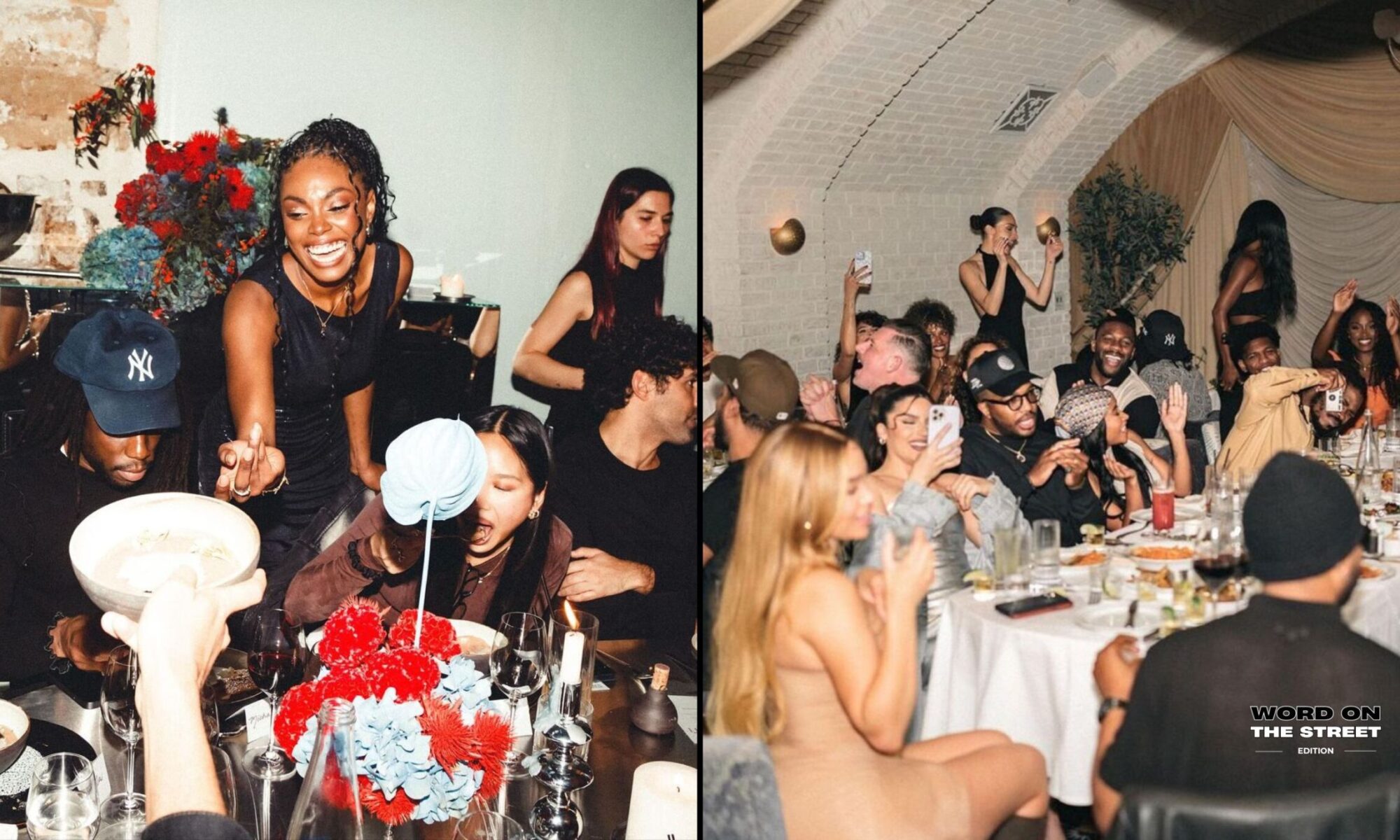
Increasingly, young people are swapping nightclub queues for community runs, replacing expensive bottle service with coffee meet-ups, choosing wellness retreats over after-parties, and attending creative gatherings where conversations matter as much as the playlist. Across Johannesburg, Cape Town, Durban, and beyond, social wellness is replacing nightlife, and the shift reveals something profound about how a new generation defines happiness, status, and community.

At SFI.COZA, we have observed this transition across creative industries, entrepreneurial circles, and youth culture, and the evidence suggests that this is not a passing trend. It is a cultural reset.

Social Wellness Is Replacing Nightlife: Why Young People Are Choosing Connection Over Clubs Share on X

What Is Social Wellness?

image 60

“Do the people around you make your life better?”

Unlike traditional nightlife, which often revolves around alcohol consumption, social wellness prioritizes experiences that strengthen emotional well-being, personal growth, and authentic human connection.

Examples include:

  • Community dinners
  • Running clubs
  • Creative gatherings
  • Book clubs
  • Wellness retreats
  • Hiking groups
  • Entrepreneur networking events
  • Coffee meet-ups
  • Group fitness experiences
  • Cultural salons

Interestingly, these experiences are increasingly becoming status symbols among younger generations.

Social Wellness Is Replacing Nightlife: Why Young People Are Choosing Connection Over Clubs Share on X
image 61

Research from the Pew Research Center and numerous global consumer studies consistently shows that Generation Z values authenticity, mental well-being, and purpose more strongly than previous generations. This generation grew up during unprecedented global disruptions, including the COVID-19 pandemic, economic uncertainty, and social isolation. As a result, many young adults are actively seeking deeper relationships rather than purely transactional social interactions.

Author and researcher Brenรฉ Brown, whose work on vulnerability and belonging has influenced millions worldwide, famously wrote:

“A deep sense of love and belonging is an irreducible need of all people.”

Young people appear to be taking this principle seriously.

Attending a curated dinner with founders, creators, and artists increasingly offers greater emotional return than shouting over deafening speakers in a crowded club at 2 a.m. while pretending to understand what someone just said.

Truthfully, nobody ever left a networking brunch saying, “I can’t believe I spent R3,000 on sparkling water.”

Social Wellness Is Replacing Nightlife: Why Young People Are Choosing Connection Over Clubs Share on X
image 62

Mental health awareness has fundamentally altered social culture. According to the World Health Organization, depression and anxiety remain among the leading causes of illness among young people globally. Conversations surrounding emotional wellbeing have become significantly more mainstream, particularly across social media platforms such as TikTok and Instagram.

Many young adults now recognize that excessive partying can negatively affect the following:

  1. Sleep quality
  2. Anxiety levels
  3. Productivity
  4. Financial well-being
  5. Long-term health

Psychologist Dr. Laurie Santos, creator of Yale University’s immensely popular course The Science of Well-Being, argues that genuine happiness is strongly linked to meaningful social relationships rather than material consumption or short-term pleasure.

This insight helps explain why social wellness is replacing nightlife. People increasingly want experiences that energise rather than exhaust them

image 63

South Africa offers a particularly interesting lens through which to view this cultural evolution. Long before “social wellness” became a global buzzword, African societies practiced communal living through philosophies such as Ubuntu, often summarized by the phrase:

“I am because we are.”

Archbishop Desmond Tutu frequently described Ubuntu as recognizing that human beings are fundamentally interconnected.

Modern social wellness trends may therefore represent less of a radical innovation and more of a return to traditional African values adapted for contemporary urban life.

Across South Africa, we increasingly see:

  • Founder dinners
  • Township entrepreneurship gatherings
  • Creative industry salons
  • Wellness festivals
  • Outdoor fitness communities
  • Sunday markets
  • Community food experiences

These spaces prioritise conversation, collaboration and cultural exchange.

At SFI.COZA, we have witnessed firsthand how curated gatherings often produce lasting friendships, business partnerships, and creative collaborations long after the event concludes.

Social Wellness Is Replacing Nightlife: Why Young People Are Choosing Connection Over Clubs Share on X

According to consultancy firm McKinsey & Company, the global wellness economy exceeds US$1.8 trillion, making wellness one of the world’s fastest-growing consumer sectors.

Companies increasingly sponsor:

  • Running clubs
  • Wellness festivals
  • Creative gatherings
  • Entrepreneur communities
  • Health-focused experiences

Because community builds trust, and trust drives loyalty. Brands no longer merely want customers; they want belonging.

The rise of social wellness says something powerful about where society is heading. Young people are not rejecting fun. They are redefining it.

Fun increasingly means leaving an event feeling inspired rather than depleted. It means meeting people who challenge your thinking, discovering new ideas, nurturing your mental health, and building genuine community. Social wellness is replacing nightlife not because clubs suddenly became unfashionable but because connection has become more valuable than consumption.

And perhaps that is a hopeful sign. After all, a generation choosing meaningful relationships over performative socializing may ultimately produce stronger communities, healthier individuals, and more resilient cultures. Frankly, waking up on Sunday morning remembering everybody’s name is also a pleasant bonus.

Leave a Reply

Your email address will not be published. Required fields are marked *

This site uses Akismet to reduce spam. Learn how your comment data is processed.


error: Content is protected !!